Short Answer
Welcome to your comprehensive guide on the Transition Tarot – Death Card. Whether you’re a seasoned tarot reader or just beginning your journey into the mystical world of tarot, this guide will provide you with a deep understanding of the Death card’s symbolism, interpretations, and practical applications. You’ll explore its core meanings, how it relates to personal transformation, and how to integrate its lessons into your daily life. By the end, you’ll be equipped to recognize and harness the powerful energy of this card in your readings and beyond.
The Death Card: A Symbol of Transformation
The Death card in the Tarot deck is often one of the most misunderstood cards, primarily due to its name. Contrary to popular belief, the Death card does not signify physical death or literal endings. Instead, it represents profound transformation, change, and rebirth. This card is a powerful symbol of the natural cycles of life, where old patterns, habits, or situations must end to make way for new growth. The imagery typically depicts a skeletal figure riding a white horse, often holding a black flag adorned with a white rose. The skeletal figure symbolizes the inevitability of change, while the white horse represents purity and the transition to a new phase. The rising sun in the background signifies hope and the promise of a fresh start.
In a tarot reading, the Death card encourages you to embrace change rather than resist it. It invites you to reflect on what aspects of your life are no longer serving you and to release them with grace. This card often appears when you are on the cusp of a major life transition, such as a career change, the end of a relationship, or a personal awakening. By acknowledging the necessity of these endings, you open yourself up to new opportunities and experiences that align more closely with your true self.

The Death card also serves as a reminder that transformation is a natural part of life. Just as the seasons change, so too do our circumstances and inner landscapes. This card teaches that endings are not to be feared but rather celebrated as essential steps in our personal evolution. By letting go of what no longer serves us, we create space for growth, healing, and renewal.
Key Interpretations of the Death Card
The Death card carries a variety of interpretations depending on its position in a spread and the surrounding cards. Here are some of the most common meanings associated with this powerful card:
Upright Position: Embracing Change and Renewal
When the Death card appears upright in a reading, it signals a time of significant transformation. This could manifest as the end of a job, the dissolution of a relationship, or a shift in your personal beliefs. While these changes may feel daunting, the Death card assures you that they are necessary for your growth. It encourages you to release the past and step into the unknown with courage and optimism. This card often indicates that you are being called to reinvent yourself or pursue a path that aligns more closely with your true purpose.
The Death card in an upright position can also signify the completion of a cycle. If you’ve been working toward a goal or navigating a challenging situation, this card suggests that you are nearing the end of that journey. It’s a sign to reflect on the lessons you’ve learned and prepare for the new opportunities that lie ahead. Trust that the universe is guiding you toward a brighter future, even if the path isn’t immediately clear.
Reversed Position: Resistance to Change
When the Death card appears reversed, it often indicates a fear of change or an unwillingness to let go of the past. You may be clinging to outdated beliefs, toxic relationships, or unfulfilling situations out of comfort or fear of the unknown. This reversed energy can lead to stagnation, as you resist the natural flow of life. The reversed Death card serves as a wake-up call, urging you to examine what is holding you back and to take proactive steps toward releasing it.
In some cases, the reversed Death card may also suggest that you are experiencing a slow or incomplete transformation. Perhaps you’re going through the motions of change but not fully committing to the process. This card encourages you to dive deeper into your emotions and confront the root causes of your resistance. By doing so, you can move forward with clarity and purpose.
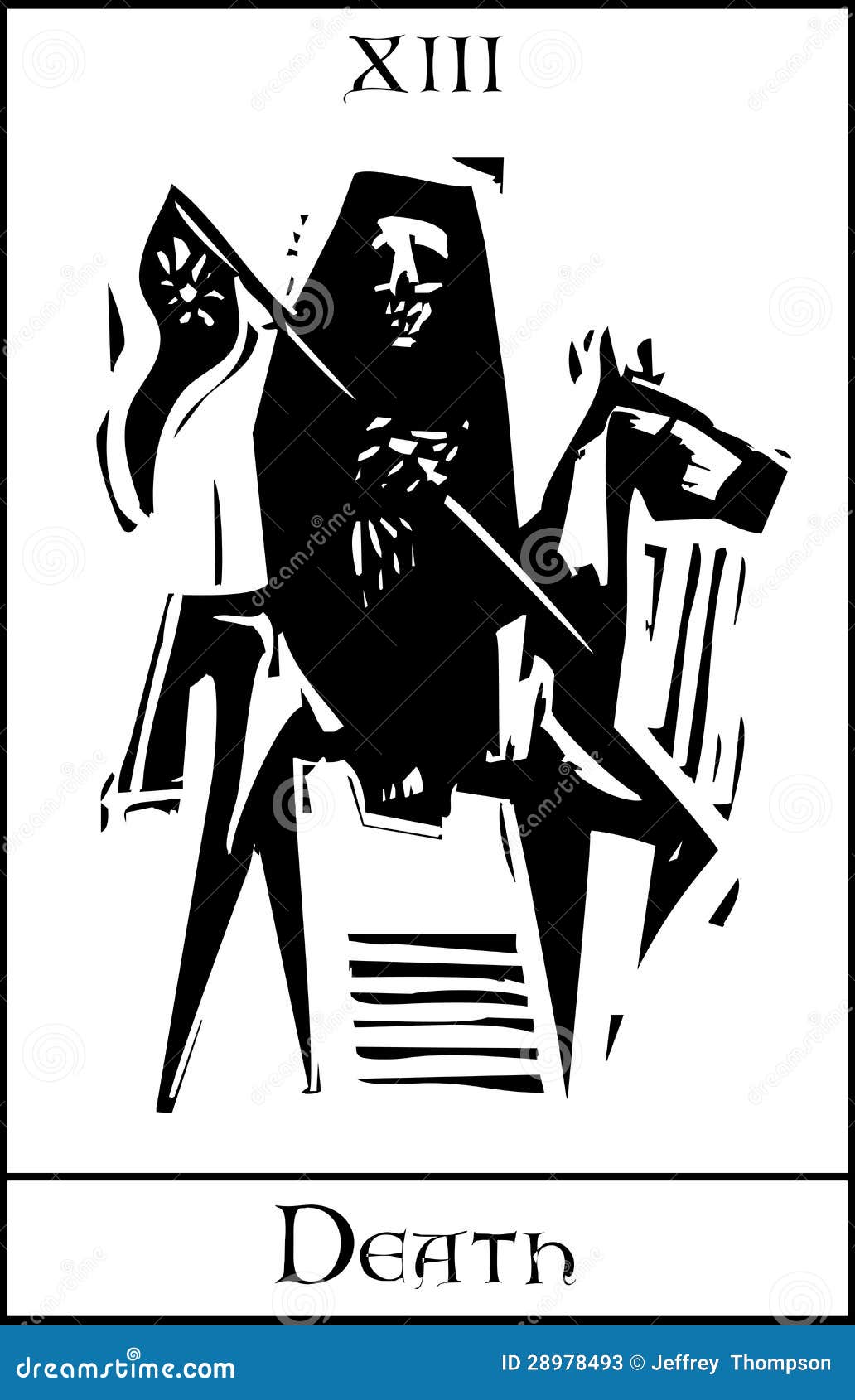
It’s important to note that the reversed Death card isn’t necessarily a negative omen. Instead, it’s an invitation to slow down and reflect on your journey. By addressing your fears and embracing the process of change, you can turn this energy into a catalyst for growth rather than a source of stagnation.
How to Work with the Energy of the Death Card
The Death card’s energy is intense and transformative, but it can be harnessed in powerful ways to facilitate personal growth. Here are some practical ways to work with this card’s energy in your daily life:
Rituals for Release and Renewal
Creating rituals can help you honor the energy of the Death card and facilitate the process of letting go. One simple ritual involves writing down what you wish to release—whether it’s a habit, a relationship, or a limiting belief—on a piece of paper. Then, safely burn the paper as a symbolic act of release. As the smoke dissipates, visualize the old energy dissolving and making way for new beginnings. You can also bury the ashes or scatter them in a natural setting to further symbolize the return to the earth.
Another powerful ritual is to create a vision board that represents the life you want to manifest after your transformation. Include images, words, and symbols that resonate with your new goals and aspirations. Place the vision board in a prominent location where you can see it daily, serving as a reminder of the future you’re working toward. This practice helps you stay focused on the positive changes ahead and reinforces your commitment to growth.
Meditation and Journaling
Meditation is an excellent way to connect with the Death card’s energy and gain clarity on the changes unfolding in your life. Set aside time each day to sit in quiet reflection, focusing on the areas of your life that are shifting. Visualize yourself releasing what no longer serves you and stepping into a new chapter with confidence. You can also use guided meditations specifically designed for transformation and rebirth to deepen your practice.
Journaling is another valuable tool for working with the Death card. Write about the changes you’re experiencing and how they make you feel. Explore your fears, hopes, and aspirations as you navigate this transition. Ask yourself questions like, “What am I being called to release?” and “What new opportunities are emerging as a result?” By putting your thoughts and emotions on paper, you can gain valuable insights and track your progress over time.
The Death Card in Different Tarot Spreads
The Death card’s meaning can vary depending on its placement in a tarot spread. Here’s how it might be interpreted in different positions:
Past Position: A Significant Transformation
If the Death card appears in the past position of a spread, it suggests that you’ve recently undergone a major transformation. This could have been a career change, the end of a relationship, or a shift in your personal beliefs. Reflect on how this experience has shaped you and prepared you for the present moment. The past position of the Death card often indicates that you’ve already done the hard work of releasing the old and embracing the new.
Present Position: A Time of Change
When the Death card appears in the present position, it signals that you are currently in a period of significant change. This could be a time of upheaval, but it’s also an opportunity for growth. Pay attention to the areas of your life where you feel stuck or resistant to change. The Death card encourages you to trust the process and embrace the unknown with an open heart.
Future Position: A New Beginning
If the Death card appears in the future position, it indicates that a major transformation is on the horizon. This could be a new career path, a change in your relationships, or a shift in your personal identity. The future position of the Death card suggests that you are being called to step into a new chapter of your life. Trust that this change will lead to growth and renewal, even if the path isn’t immediately clear.
Common Misconceptions About the Death Card
The Death card is often shrouded in misconceptions, which can lead to unnecessary fear or confusion. One of the most common misconceptions is that the Death card predicts physical death. In reality, this card is about metaphorical endings and transformations. It’s a reminder that change is a natural part of life and that endings are necessary for new beginnings.
Another misconception is that the Death card always signifies a negative or traumatic event. While the card can indicate challenging transitions, it’s ultimately about growth and renewal. The Death card encourages you to see change as an opportunity rather than a threat. By reframing your perspective, you can approach life’s transitions with greater ease and optimism.
Finally, some people believe that the Death card is a sign of failure or loss. However, this card is far more about transformation than loss. It’s a call to release what no longer serves you and make space for new experiences. By embracing the energy of the Death card, you can turn endings into opportunities for growth and renewal.
Conclusion
The Death card is a powerful symbol of transformation, change, and rebirth. Far from predicting literal death, this card invites you to embrace the natural cycles of life and release what no longer serves you. Whether it appears upright or reversed, the Death card encourages you to reflect on your journey, confront your fears, and step into the unknown with courage and optimism.
By understanding the Death card’s symbolism and interpretations, you can harness its energy to facilitate personal growth and navigate life’s transitions with grace. Whether you’re using it in a tarot reading or incorporating its lessons into your daily life, the Death card serves as a reminder that endings are not to be feared but celebrated as essential steps in your evolution.
As you continue your tarot journey, remember that the Death card is a guide, not a predictor. It’s a tool to help you navigate change and embrace the transformative power of life’s cycles. Trust in the process, and allow yourself to grow through every ending and beginning.
FAQ
What does the Death card signify in tarot?
The Death card signifies transformation, change, and rebirth rather than physical death.
How can I work with the energy of the Death card?
You can work with the Death card’s energy through rituals, meditation, and journaling to facilitate personal growth.
Leave a Reply