Short Answer
Embark on a journey through the mystical realms of symbolism as we explore the profound connections between the Tree of Life and the Tree of Dreams in tarot. This guide will illuminate how these ancient frameworks intertwine, offering deep insights into personal growth, spiritual awakening, and the hidden layers of the subconscious. By the end, you’ll understand the unique appeal of these systems and how to harness their wisdom in your own tarot practice.
The Tree of Life: A Cosmic Blueprint of Existence
The Tree of Life is a sacred geometric symbol found in various spiritual traditions, most notably in Kabbalah. It consists of ten Sefirot (divine emanations) connected by 22 paths, forming a map of creation, consciousness, and the universe’s hidden order. Each Sefirah represents a fundamental aspect of existence—from Keter (the crown, divine will) to Malkuth (the kingdom, material world).
In tarot, the Tree of Life serves as a powerful framework for understanding the Major Arcana. The 22 paths correspond to the 22 cards, while the Sefirot align with the Fool’s journey through the trumps. For example, The Magician resonates with Chokmah (wisdom), and The High Priestess with Binah (understanding). This alignment transforms tarot into a living, breathing system of divine revelation.
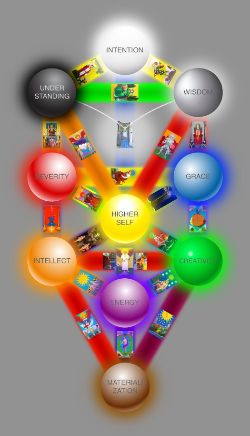
The Tree of Dreams: A Subconscious Tapestry
The Tree of Dreams is a lesser-known but equally captivating concept, blending the Tree of Life with the realm of dreams and the subconscious. Unlike the structured, linear paths of the Tree of Life, the Tree of Dreams is fluid, organic, and often surreal. It represents the unconscious mind, where symbols, archetypes, and hidden truths emerge in the form of dreams, visions, and intuitive flashes.
In tarot, the Tree of Dreams can be seen as a nighttime counterpart to the Tree of Life. While the Tree of Life governs waking consciousness and structured spiritual growth, the Tree of Dreams governs the hidden language of the psyche. Cards like The Moon, The Star, and The Hanged Man resonate deeply with this realm, as they deal with illusion, intuition, and surrender—key themes in dream interpretation.

Synergy Between the Two Trees: A Dual Path to Enlightenment
The magic of tarot lies in the interplay between the Tree of Life and the Tree of Dreams. While the Tree of Life provides a structured roadmap for spiritual evolution, the Tree of Dreams offers a fluid, intuitive gateway into the subconscious. Together, they create a dual path to self-discovery—one that balances logic with mystery, structure with spontaneity.
For instance, when drawing The Tower in a reading, the Tree of Life might highlight its association with Hod (splendor) and the breakdown of illusions, while the Tree of Dreams could reveal its connection to sudden revelations in dreams or the need to confront repressed fears. This dual perspective allows for a richer, more nuanced interpretation.
Thelemapedia’s Tree of Life: Tarot resource further emphasizes this synergy, showing how tarot cards can be mapped onto the Sefirot to reveal deeper layers of meaning. By studying both trees, you gain a comprehensive toolkit for navigating life’s challenges and unlocking hidden potentials.
Practical Applications: Using the Trees in Tarot Readings
Incorporating the Tree of Life and Tree of Dreams into your tarot practice can elevate your readings from mere fortune-telling to profound spiritual guidance. Here’s how to apply them:
- Tree of Life Spreads: Use the 10 Sefirot as positions for a 10-card spread. Each card represents a stage of spiritual development, from divine inspiration (Keter) to manifestation (Malkuth).
- Tree of Dreams Journaling: Keep a dream journal and cross-reference recurring symbols with tarot cards. For example, dreaming of a snake might link to The Devil or The Hanged Man in the Tree of Dreams.
- Pathworking: Meditate on a specific path between two Sefirot, visualizing the journey as a tarot card’s narrative. This can deepen your connection to the card’s esoteric meaning.
- Shadow Work: The Tree of Dreams is ideal for exploring the shadow self. Cards like Three of Swords or Seven of Cups can reveal hidden fears or desires when interpreted through this lens.
The Unique Appeal of the Tree of Life & Tree of Dreams
What makes these systems so compelling is their ability to bridge the tangible and the intangible. The Tree of Life grounds spiritual concepts in a tangible structure, while the Tree of Dreams liberates them into the boundless realm of the subconscious. Together, they offer:
- Universal Symbolism: Both trees resonate across cultures, making them accessible to seekers from all backgrounds.
- Personal Transformation: They provide a mirror for self-reflection, helping you identify patterns, blockages, and pathways to growth.
- Artistic Inspiration: The visual and symbolic richness of the trees makes them a favorite among artists, writers, and creators seeking to infuse their work with depth.
- Esoteric Depth: For those drawn to mysticism, the trees offer a gateway to advanced studies in Kabbalah, alchemy, and Hermetic philosophy.
Conclusion
The Tree of Life and the Tree of Dreams are not just abstract concepts—they are living, breathing frameworks that can transform your tarot practice and your understanding of the universe. By exploring their connections, you unlock a multidimensional language of symbols, archetypes, and spiritual truths. Whether you’re a seasoned tarot reader or a curious beginner, these trees offer endless opportunities for discovery, growth, and enlightenment.
As you delve deeper into their mysteries, remember that the true magic lies in the personal journey. Let the trees guide you, but always trust your intuition to interpret their messages in a way that resonates with your soul.
Leave a Reply