Short Answer
Welcome to a deep exploration of tarot decks, where ancient symbolism meets modern creativity. In this guide, you’ll discover the unique meanings behind various tarot decks, from the esoteric Thoth tradition to contemporary interpretations. Whether you’re a seasoned reader or a curious beginner, understanding these differences will enrich your tarot practice and deepen your connection to the cards. We’ll examine the historical roots of the Thoth deck, compare it to modern styles, and uncover why certain decks resonate so deeply with people across generations. By the end, you’ll have a clearer picture of how tarot evolves while retaining its mystical allure.
The Historical Roots of the Thoth Tarot Deck
The Thoth Tarot deck, designed by Aleister Crowley and illustrated by Lady Frieda Harris, is one of the most esoteric and complex tarot systems in existence. Created in the early 20th century, this deck is deeply rooted in Hermeticism, astrology, and the Kabbalah, making it a favorite among those drawn to occult traditions. Unlike the more widely recognized Rider-Waite-Smith (RWS) deck, the Thoth deck incorporates Crowley’s unique magical philosophy, blending astrological symbols with tarot archetypes. Each card is rich with layered meanings, often requiring a deep dive into Crowley’s writings to fully grasp its significance.
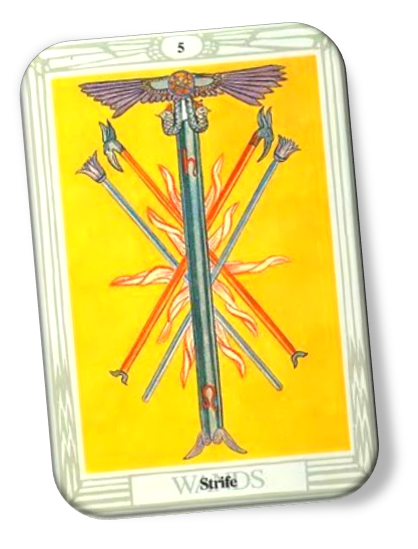
The imagery in the Thoth deck is striking and often abstract, with colors and symbols carefully chosen to evoke specific energetic vibrations. For example, the Five of Wands in the Thoth deck depicts five wands clashing in a dynamic, almost chaotic arrangement, symbolizing competition and struggle. This contrasts with the RWS version, where the wands are held by figures engaged in playful combat. The Thoth deck’s approach is less about narrative and more about invoking the raw essence of the card’s energy, making it a powerful tool for those interested in magical workings.
Another key aspect of the Thoth deck is its use of the Tree of Life, a central concept in Kabbalah, to structure the Major Arcana. Each card corresponds to a Sephirah (a divine emanation) and a path on the Tree, creating a map of spiritual evolution. This makes the Thoth deck particularly appealing to those who view tarot as a tool for personal and magical growth rather than mere divination.
Comparing Thoth to Modern Tarot Decks
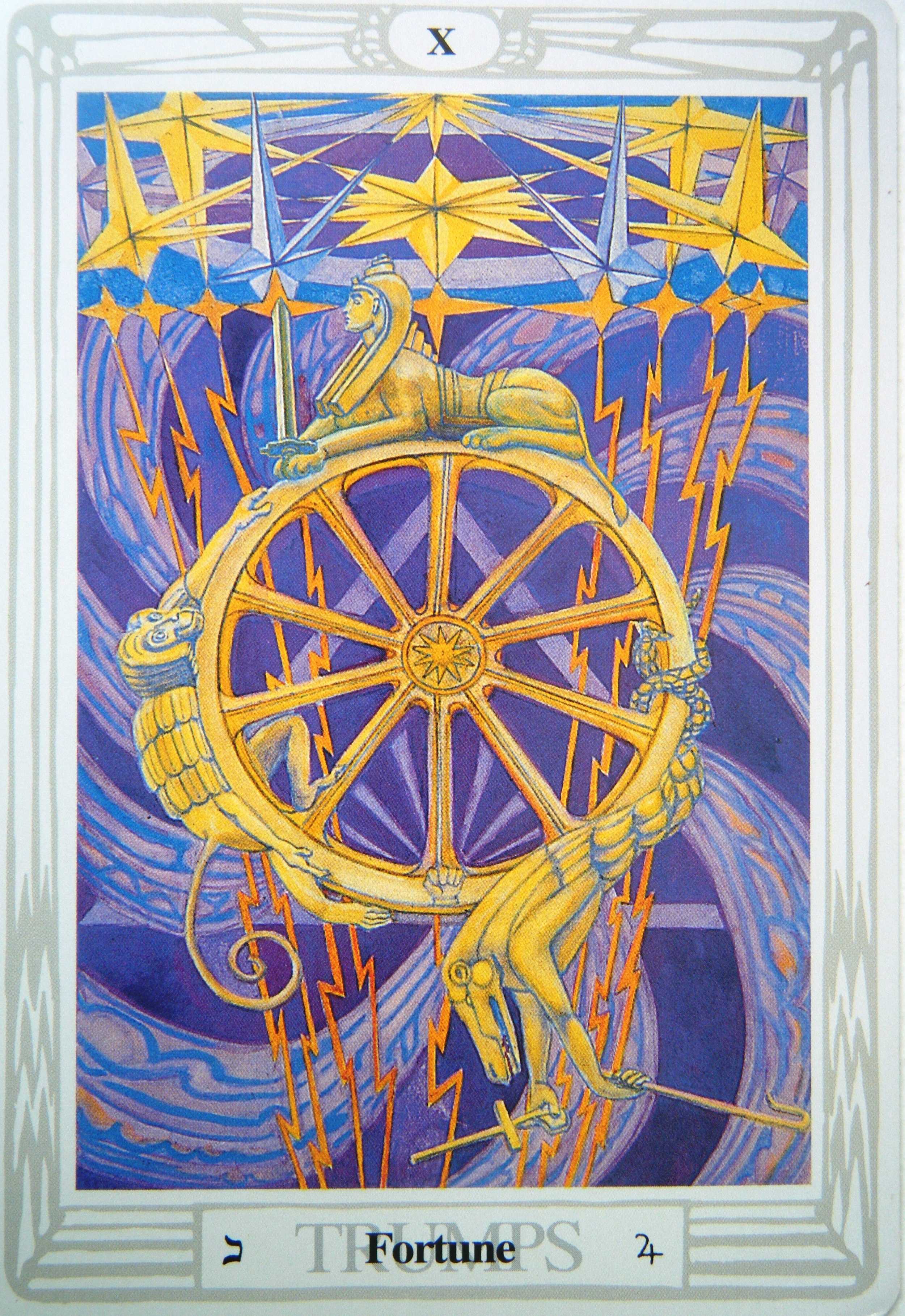
While the Thoth deck remains a cornerstone of esoteric tarot, modern decks have emerged with fresh interpretations that cater to contemporary sensibilities. Modern decks often prioritize accessibility, diversity, and psychological depth, making them more approachable for beginners. For instance, the Fortune Tarot deck blends traditional Thoth imagery with a more intuitive, fluid style, using softer colors and less rigid symbolism. This makes it easier for readers to connect with the cards on a personal level without needing an extensive background in occult studies.
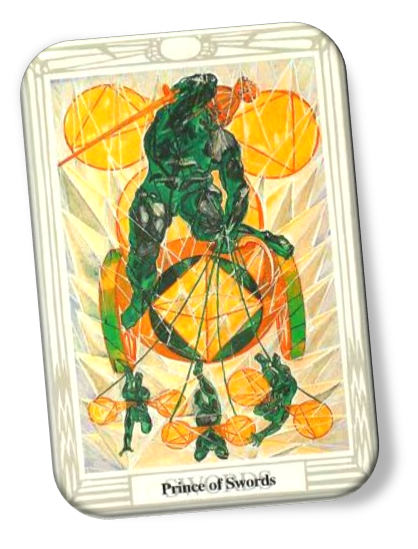
Another example is the Prince of Swords card, which appears in both the Thoth and modern decks but with vastly different visual and symbolic treatments. In the Thoth deck, the Prince of Swords is depicted as a fierce, armored figure wielding a sword, embodying intellectual power and assertiveness. In contrast, modern decks might portray the same card with a more abstract or diverse representation, such as a gender-neutral figure or a minimalist design, reflecting contemporary values of inclusivity and fluidity. These variations highlight how tarot continues to evolve, adapting to the cultural and artistic trends of each era.
The shift toward modern decks also reflects a growing interest in tarot as a tool for self-reflection and mental health. Many contemporary decks, such as the Modern Witch Tarot or the Light Seer’s Tarot, focus on psychological themes, emotional healing, and personal empowerment. These decks often feature relatable, diverse characters and scenarios, making them ideal for readers who want to explore their inner world without delving into complex esoteric systems. The language used in modern decks is also more straightforward, with guidebooks that emphasize intuitive interpretation over rigid symbolism.
Why the Thoth Deck Fascinates and Challenges Readers
The Thoth deck’s enduring appeal lies in its depth and complexity, but these same qualities can also make it intimidating for newcomers. The intricate symbolism and dense metaphysical framework require patience and study, which can be both rewarding and frustrating. For those who are drawn to the deck, however, the effort is often worth it. The Thoth deck offers a level of nuance and precision that is unmatched in other systems, making it a favorite among advanced readers and magical practitioners.
One reason the Thoth deck continues to fascinate is its connection to Crowley’s magical system. Each card is not just a symbol but a living entity within the larger framework of Thelema, Crowley’s spiritual philosophy. This makes the deck a powerful tool for ritual work, meditation, and ceremonial magic. For example, the Thoth Empress card is often used in rituals related to fertility, abundance, and the creative force of the universe, aligning with Crowley’s teachings on the divine feminine.
Another factor contributing to the Thoth deck’s allure is its aesthetic. The artwork by Lady Frieda Harris is a masterpiece of symbolism, blending Art Deco influences with esoteric imagery. The use of bold colors, geometric patterns, and intricate details creates a visually stunning deck that captivates collectors and readers alike. This artistic richness invites repeated study, as each viewing can reveal new layers of meaning.
Despite its challenges, the Thoth deck remains a benchmark for tarot enthusiasts who seek a deeper, more esoteric experience. Its ability to challenge the reader intellectually and spiritually is part of what makes it so compelling. For those willing to invest the time, the Thoth deck offers a gateway to a richer understanding of tarot and its role in the occult tradition.
The Appeal of Modern Tarot Decks
Modern tarot decks have carved out their own niche by prioritizing accessibility, diversity, and emotional resonance. Unlike the Thoth deck’s rigid esoteric structure, modern decks often embrace fluidity and personal interpretation, making them ideal for readers who want to connect with the cards on a more intuitive level. For example, decks like the Everyday Witch Tarot or the Modern Witch Tarot feature relatable characters and scenarios that reflect contemporary life, from mental health struggles to LGBTQ+ themes. This inclusivity has broadened tarot’s appeal, attracting a more diverse audience.
Another key aspect of modern decks is their emphasis on psychological and emotional exploration. Many contemporary decks are designed with self-help and personal growth in mind, using tarot as a tool for introspection and healing. For instance, the Light Seer’s Tarot features vibrant, dreamlike imagery and guidebooks that focus on mindfulness and spiritual awakening. These decks often incorporate elements of psychology, such as Jungian archetypes, to help readers explore their subconscious and emotional patterns.
The rise of digital tarot apps and online communities has also contributed to the popularity of modern decks. Platforms like Instagram and TikTok have made tarot more accessible than ever, with creators sharing interpretations and spreads that resonate with younger, tech-savvy audiences. This digital shift has led to a proliferation of decks that cater to niche interests, from pop culture themes (e.g., the Disney Tarot) to feminist and activist-oriented designs (e.g., the Tarot of the Divine Feminine).
Modern decks also tend to be more affordable and widely available than their esoteric counterparts. While the Thoth deck is often sold as a high-end collector’s item, many modern decks are produced in large quantities and sold at accessible price points. This democratization of tarot has made it easier for people to explore different decks and find one that resonates with their personal style and needs.
Conclusion
Tarot decks, whether rooted in the esoteric traditions of the Thoth system or the accessible, modern styles of contemporary designs, offer a window into the human experience. The Thoth deck challenges readers with its depth and complexity, while modern decks provide a more intuitive and inclusive approach to divination and self-discovery. Both styles have their place in the tarot world, catering to different needs and preferences. Whether you’re drawn to the mystical allure of the Thoth deck or the relatable, psychological themes of modern decks, the key is to find a system that resonates with your personal journey. As tarot continues to evolve, it remains a powerful tool for exploration, healing, and transformation, bridging the gap between ancient wisdom and modern spirituality.
FAQ
What is the Thoth Tarot deck?
The Thoth Tarot deck, created by Aleister Crowley and illustrated by Lady Frieda Harris, is a complex and esoteric tarot system that incorporates Hermeticism, astrology, and Kabbalah symbolism.
How do modern tarot decks differ from the Thoth deck?
Modern tarot decks often prioritize accessibility, diversity, psychological depth, and intuitive interpretation, contrasting with the Thoth deck’s intricate esoteric symbolism and magical framework.
Why is the Thoth deck considered challenging for beginners?
Due to its dense metaphysical symbolism and connection to Crowley’s magical philosophy, the Thoth deck requires patience and study, making it intimidating for newcomers.
What appeals to readers about modern tarot decks?
Modern decks attract readers by focusing on emotional healing, inclusivity, relatable imagery, psychological themes, and ease of use for self-reflection.
Leave a Reply