Short Answer
Welcome to your playful and insightful journey into the world of Waite Tarot! Whether you’re a curious beginner or a seasoned reader looking to deepen your understanding, this guide will illuminate the history, symbolism, and practical uses of the iconic Rider-Waite-Smith (RWS) deck. You’ll explore the deck’s origins, the meaning behind its vivid imagery, and how to harness its wisdom for self-reflection, divination, or creative inspiration. By the end, you’ll not only grasp the fundamentals but also feel empowered to ask the deck playful yet profound questions—like, “What’s the universe’s take on my next career move?” or “How can I invite more joy into my life?” Let’s dive in!
The History and Legacy of the Waite Tarot
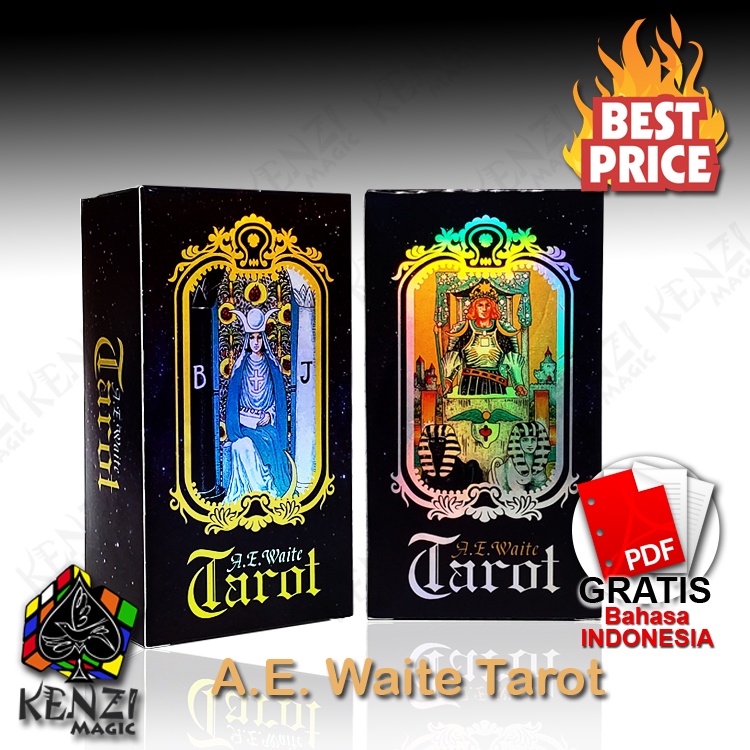
The Waite Tarot, also known as the Rider-Waite-Smith Tarot, is one of the most influential and widely recognized decks in the world. Created in 1909 by artist Pamela Colman Smith under the guidance of mystic A.E. Waite, this deck revolutionized tarot by introducing fully illustrated cards for all 78 cards—not just the Major Arcana. Prior to this, most decks only depicted scenes on the Major Arcana cards, leaving the Minor Arcana with simple suit symbols. Waite and Smith’s collaboration brought a rich, narrative depth to every card, making the deck accessible and visually captivating for modern readers.
The deck’s name reflects its creators: Waite, a member of the Hermetic Order of the Golden Dawn, sought to create a tarot deck that aligned with esoteric traditions, while Smith’s artistic vision transformed abstract concepts into vivid, storytelling images. Published by Rider & Company, the deck quickly gained popularity and became a cornerstone for both divinatory practices and artistic expression. Today, it remains a benchmark for tarot decks, inspiring countless variations and adaptations.
Understanding the Structure: Major vs. Minor Arcana
The Waite Tarot consists of 78 cards divided into two main sections: the Major Arcana and the Minor Arcana. The Major Arcana comprises 22 cards, each representing significant life themes, spiritual lessons, or archetypal energies. These cards—such as The Fool, The Lovers, and Death—often signify major turning points or karmic influences in a reading. The Minor Arcana, on the other hand, contains 56 cards divided into four suits: Wands, Cups, Swords, and Pentacles. Each suit corresponds to a different aspect of life—creativity and passion (Wands), emotions and relationships (Cups), intellect and conflict (Swords), and material wealth and practicality (Pentacles).
Within the Minor Arcana, each suit includes 10 numbered cards (Ace through 10) and four court cards (Page, Knight, Queen, King). The court cards often represent people or personality traits, while the numbered cards reflect stages of development or specific energies. For example, the Three of Cups celebrates joy and friendship, while the Five of Swords might indicate conflict or tension. Understanding this structure is key to interpreting spreads accurately and uncovering the nuanced messages within each reading.
Symbolism and Imagery: Decoding the Visual Language
The Waite Tarot’s power lies in its rich symbolism, which invites readers to explore layers of meaning beyond surface interpretations. Each card is a miniature work of art, packed with allegorical details that reflect universal themes. For instance, The High Priestess is often depicted sitting between two pillars, one black and one white, symbolizing duality, intuition, and the veil between conscious and subconscious realms. The Tower, with its lightning-struck structure and falling figures, represents sudden upheaval or revelation—often a wake-up call from the universe.
Even the Minor Arcana cards are brimming with symbolism. The Two of Cups shows two figures exchanging cups, symbolizing partnership, harmony, or a new romantic connection. The Ten of Wands depicts a figure struggling under a heavy load of wands, illustrating burnout or the need to delegate responsibilities. To deepen your connection with the deck, take time to study each card’s imagery. Ask yourself: What emotions does this card evoke? What stories do the figures or symbols tell? Over time, you’ll develop a personal lexicon of meanings that resonate uniquely with you.
The Fool, often considered the first card of the Major Arcana, embodies spontaneity, new beginnings, and a leap of faith. Its playful imagery—a carefree figure stepping off a cliff with a small dog yapping at his heels—contrasts with the potential danger of the fall, symbolizing the balance between risk and trust in life’s journeys.
How to Ask Playful (Yet Powerful) Questions
One of the joys of working with the Waite Tarot is its ability to turn mundane inquiries into playful explorations of the universe’s wisdom. Instead of asking dry questions like, “Will I get a promotion?” try framing your queries in a way that invites curiosity and creativity. For example: “What’s the universe’s playful twist on my current career path?” or “How can I invite more laughter into my daily routine?” This approach not only makes readings more engaging but also opens the door to unexpected insights.
To challenge yourself, try asking questions that require the deck to stretch beyond simple yes/no answers. For instance: “What lesson is hiding in my current relationship drama?” or “How can I transform my creative block into a source of inspiration?” The more specific and open-ended your questions, the richer the responses you’ll receive. Remember, the tarot thrives on ambiguity—it’s not about predicting the future with certainty but about exploring possibilities and gaining clarity.
Another playful challenge is to use the tarot as a tool for brainstorming or problem-solving. Stuck on a creative project? Pull a card for inspiration. Need to make a tough decision? Lay out three cards representing your options and see which resonates most. The Waite Tarot becomes a conversation partner, offering fresh perspectives when you’re feeling stuck.
Common Spreads for Beginners and Beyond
Spreads are the framework for your tarot readings, helping you organize and interpret the cards’ messages. For beginners, the Three-Card Spread is a fantastic starting point. It typically represents past, present, and future, or mind-body-spirit, offering a snapshot of a situation’s trajectory. Another simple spread is the Situation-Obstacle-Advice spread, which helps you identify challenges and receive guidance on how to navigate them.
For those ready to dive deeper, the Celtic Cross Spread is a classic 10-card layout that provides a comprehensive overview of a situation, including influences, obstacles, and potential outcomes. Each position in the spread has a specific meaning, such as “the heart of the matter” or “the subconscious influences.” While this spread can feel overwhelming at first, it rewards patience with profound insights. Don’t be afraid to experiment with different spreads—part of the fun is discovering which layouts resonate most with your intuitive style.
If you’re working with a group or seeking a lighthearted challenge, try the Tarot Story Spread. Lay out seven cards in a row, each representing a chapter in a “story” about your query. The first card sets the scene, the middle cards build tension or development, and the final card offers resolution or a twist. This spread is perfect for exploring complex situations or simply enjoying the narrative power of the tarot.
Overcoming Challenges: When the Tarot Feels Mysterious or Confusing
Even seasoned tarot readers encounter moments when a card’s message feels elusive or contradictory. The Waite Tarot, with its layered symbolism, can sometimes leave you scratching your head. When this happens, take a step back and approach the card with curiosity rather than frustration. Ask yourself: What emotions does this card evoke? Does it remind me of a recent event or a recurring theme in my life? Sometimes, the answer lies in the card’s energy rather than a literal interpretation.
Another challenge is the dreaded “blank mind” during a reading—when the cards feel silent or uninspiring. This often happens when we’re overthinking or seeking a specific answer. To combat this, try shuffling the deck while focusing on a broad question, like “What do I need to know right now?” or “What’s the bigger picture here?” Let the cards guide you without forcing a narrative. You might be surprised by the clarity that emerges when you release the need for control.
If a card consistently confuses you, research its traditional meanings, but also trust your intuition. The Waite Tarot is a tool for personal growth, so your unique perspective is just as valid as any guidebook. Keep a tarot journal to track your interpretations over time—you’ll likely notice patterns and deepen your connection to the deck with each reading.
Conclusion
The Waite Tarot is more than a deck of cards; it’s a gateway to self-discovery, creativity, and playful exploration of life’s mysteries. From its rich history and symbolic depth to its practical applications in readings and personal growth, this iconic deck offers endless opportunities for insight and inspiration. Whether you’re using it to navigate challenges, spark creativity, or simply have fun with the universe’s guidance, the Waite Tarot invites you to ask bold questions and trust the answers that emerge.
Remember, the tarot is a mirror—it reflects your thoughts, emotions, and subconscious patterns back to you. Approach it with an open heart and a curious mind, and you’ll uncover layers of wisdom that resonate with your journey. So, shuffle your deck, ask a playful question, and let the cards guide you on your next adventure. The universe is listening!
FAQ
What is the Waite Tarot?
The Waite Tarot, also known as the Rider-Waite-Smith Tarot, is a widely recognized tarot deck created in 1909, known for its fully illustrated cards and rich symbolism.
How do I use the Waite Tarot for readings?
To use the Waite Tarot, shuffle the cards, formulate a question, and draw cards based on chosen spreads, interpreting their meanings based on their symbolism and position.
Leave a Reply