Short Answer
In this guide, you’ll explore the profound energy of the Strength tarot card and how it relates to wellbeing. You’ll discover the deeper meanings behind this powerful archetype, learn practical ways to harness its energy in daily life, and understand why this card continues to captivate seekers of personal growth. By the end, you’ll have a clear understanding of how Strength can guide you toward inner resilience, emotional balance, and holistic wellness.
The Essence of Strength: Beyond Physical Power
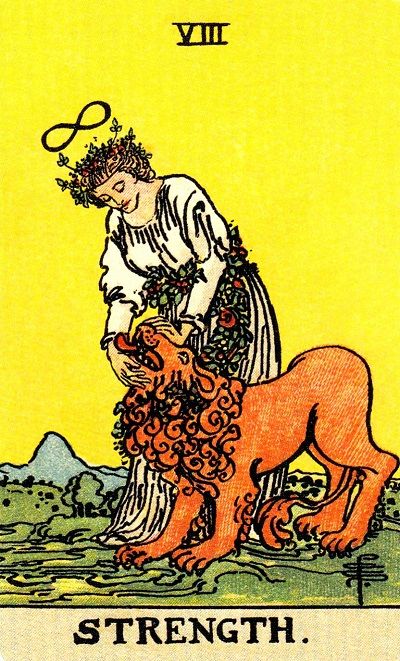
The Strength tarot card, often numbered VIII in the Major Arcana, is frequently misunderstood as a representation of brute force. However, its true essence lies in the mastery of inner power—specifically, the ability to tame and harmonize raw emotions and instincts. The card typically depicts a woman gently closing the jaws of a lion, symbolizing the union of compassion and courage. This imagery underscores a fundamental truth: true strength is not about domination but about understanding, patience, and self-control.
In the context of wellbeing, Strength invites you to reflect on how you manage stress, confront challenges, and cultivate emotional resilience. It suggests that wellbeing isn’t merely the absence of struggle but the capacity to navigate life’s difficulties with grace and composure. This card encourages you to look inward, acknowledging that the battles you face are often won or lost in the mind and heart before they manifest in the external world.
Why the Strength Card Fascinates People: A Psychological Perspective
One of the most intriguing aspects of the Strength card is its universal appeal. People are drawn to this archetype because it resonates with a deep-seated human desire: the longing for mastery over one’s own nature. In a world where external achievements are often prioritized, Strength reminds us that the most significant victories are internal. This fascination is rooted in the human psyche’s need for balance—between logic and emotion, control and surrender, action and patience.
The card’s imagery also taps into the collective unconscious, as described by Carl Jung. The lion, a symbol of primal energy and instinct, represents the untamed aspects of the self that we often suppress or fear. The woman in the card embodies the anima, the feminine principle of nurturing and intuition, which serves as a counterbalance to the raw power of the lion. This duality speaks to the human experience of integrating disparate parts of ourselves into a cohesive whole. It’s no wonder that people find such deep meaning in this card—it mirrors the internal struggles and triumphs we all face.
Strength and Emotional Wellbeing: The Art of Self-Mastery
Emotional wellbeing is closely tied to the themes of Strength. This card teaches that emotional resilience isn’t about suppressing feelings but about understanding and channeling them constructively. When the Strength card appears in a reading, it may indicate a need to confront suppressed emotions, such as anger, fear, or anxiety, with compassion rather than force. For example, if you’ve been avoiding a difficult conversation or suppressing frustration, Strength urges you to face the situation with a calm and open heart.
Practically, you can apply the energy of Strength by developing mindfulness practices that foster self-awareness. Meditation, journaling, and breathwork are powerful tools for observing your emotions without being overwhelmed by them. The card also highlights the importance of self-compassion—treating yourself with the same kindness you would offer a dear friend. This approach not only reduces stress but also builds a foundation for lasting emotional health.
Strength in Relationships: Cultivating Compassionate Boundaries
Strength isn’t limited to personal growth; it also plays a crucial role in relationships. The card’s energy encourages you to approach conflicts with empathy and patience rather than aggression or passive-aggressiveness. For instance, if you’re dealing with a strained relationship, Strength suggests that you lead with understanding rather than force. This doesn’t mean tolerating toxic behavior but rather addressing issues with a focus on resolution rather than domination.
In romantic relationships, Strength can signify the importance of balancing independence with intimacy. It reminds you that love isn’t about controlling or being controlled but about mutual respect and trust. In friendships, it encourages you to set boundaries with kindness, ensuring that your relationships are built on a foundation of authenticity and emotional safety.
Strength and Physical Wellbeing: Harnessing Energy Wisely
While Strength is primarily associated with emotional and mental energy, its principles can also be applied to physical wellbeing. The card’s energy encourages you to listen to your body and avoid pushing yourself to the point of burnout. Instead of relying on sheer willpower or discipline alone, Strength advocates for a balanced approach that honors your body’s limits while still challenging it in healthy ways.
For example, if you’re embarking on a fitness journey, Strength reminds you to set realistic goals and avoid self-criticism if progress feels slow. It also encourages you to incorporate practices like yoga or tai chi, which blend physical movement with mindfulness—perfect examples of Strength’s energy in action. By approaching your physical health with patience and self-compassion, you create a sustainable foundation for long-term wellbeing.
Common Misconceptions About Strength: Clarifying the Card’s True Message
One of the most persistent misconceptions about the Strength card is that it promotes passivity or weakness. This couldn’t be further from the truth. Strength is about harnessing your inner power, not avoiding conflict or challenges. Another misconception is that the card suggests you should always be gentle or nurturing, even at the expense of your own needs. In reality, Strength is about balance—knowing when to be firm and when to show compassion.
It’s also important to note that Strength doesn’t imply that you should never feel fear or doubt. Instead, it teaches you how to move forward despite these emotions. The card’s energy is about courage in the face of vulnerability, not the absence of fear. By reframing these misconceptions, you can fully embrace the transformative potential of Strength in your life.
Conclusion
The Strength tarot card is a powerful reminder that true power lies not in domination but in harmony. Whether you’re navigating emotional challenges, fostering healthier relationships, or pursuing physical wellbeing, the energy of Strength offers a roadmap for resilience and balance. By integrating its lessons into your daily life, you cultivate a deeper sense of self-awareness, compassion, and inner strength. Remember, the lion in the card isn’t tamed through force but through understanding and patience. In the same way, your own inner power grows when you approach life’s challenges with an open heart and a calm mind. Embrace the energy of Strength, and let it guide you toward a more balanced and fulfilling existence.
FAQ
What does the Strength tarot card represent?
The Strength tarot card represents inner strength, emotional resilience, and the mastery of one's emotions.
How can I apply the energy of the Strength card in my life?
You can apply the energy of the Strength card by practicing self-compassion, mindfulness, and addressing emotional challenges with empathy.
Leave a Reply