Short Answer
Embark on a mystical journey through the ancient art of tarot, where each card is a portal to deeper self-understanding and cosmic wisdom. This guide unlocks the secrets of all 78 tarot cards, blending esoteric symbolism with practical insights to illuminate your path. Whether you’re a seasoned seeker or a curious newcomer, prepare to decode the language of the universe through vivid imagery, archetypal themes, and profound meanings that resonate across time and tradition.
The Major Arcana: The Soul’s Journey Unveiled
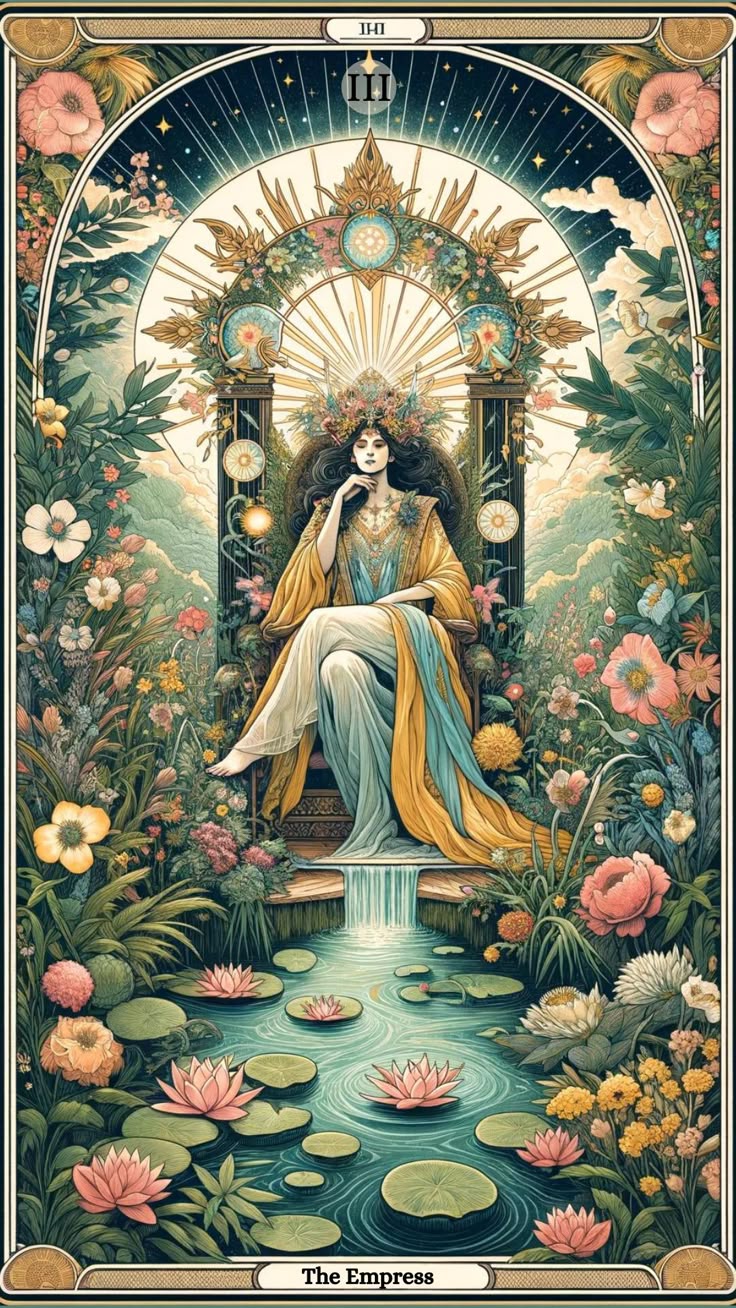
The Major Arcana consists of 22 cards, each representing a pivotal chapter in the grand narrative of life. These cards are the tarot’s heartbeat, pulsating with universal themes of transformation, destiny, and spiritual awakening. From the innocent Fool stepping off a cliff into the unknown to the enigmatic World dancing in cosmic harmony, each card is a mirror reflecting your inner world and outer experiences.

The Fool (0) embodies boundless potential, a blank canvas ready to paint life’s adventures. The Magician (I) wields the tools of creation, while The High Priestess (II) guards the hidden wisdom of the subconscious. Justice (XI) demands balance, and The Tower (XVI) shatters illusions with brutal clarity. These cards don’t just predict—they provoke, challenge, and guide you toward your highest self.
The Minor Arcana: The Tapestry of Daily Life
Comprising 56 cards, the Minor Arcana dives into the rhythms of everyday existence, divided into four suits: Wands, Cups, Swords, and Pentacles. Each suit mirrors a facet of human experience—passion, emotion, intellect, and material reality—while the numbered cards (Ace through 10) and court cards (Page, Knight, Queen, King) add layers of nuance. Unlike the Major Arcana’s sweeping narratives, the Minor Arcana thrives in the details: a burst of inspiration (Ace of Wands), a heart’s longing (Three of Cups), or a moment of harsh truth (Eight of Swords).

Wands ignite the fire of creativity and ambition, Cups flow with emotional currents, Swords cut through deception with razor-sharp clarity, and Pentacles ground dreams in tangible reality. The court cards are particularly intriguing—they represent people, energies, or aspects of yourself. A Page might signal a messenger of new ideas, while a Queen embodies nurturing wisdom. Mastering the Minor Arcana is like learning the language of your own soul’s daily dialogue.
Suits Deep Dive: Wands, Cups, Swords, and Pentacles
Wands: The suit of fire, ambition, and inspiration. Wands pulse with energy, urging you to take action, chase dreams, and embrace your inner fire. The Ace of Wands is a spark of divine potential, while the Ten of Wands depicts the weight of responsibility. These cards often appear when you’re called to innovate or lead.
Cups: The realm of emotions, relationships, and intuition. Cups are the heart’s language—joy, sorrow, love, and intuition flow through them. The Lovers card transcends romance, symbolizing harmony and choices, while the Five of Cups mourns loss but also hints at unseen blessings. Cups remind you to honor your feelings as sacred messengers.
Swords: The domain of the mind—logic, conflict, and revelation. Swords slice through illusion, demanding truth and clarity. The Two of Swords shows a moment of indecision, blindfolded yet poised for clarity, while the Ace of Swords pierces through confusion with piercing insight. These cards challenge you to face uncomfortable realities with courage.
Pentacles: The suit of earth, prosperity, and practicality. Pentacles ground abstract dreams into tangible form. The Ten of Pentacles celebrates legacy and abundance, while the Five of Pentacles speaks of hardship but also resilience. These cards often relate to work, finances, health, and the physical world, urging you to cultivate stability.
Court Cards: The Characters of Your Inner Drama
The 16 court cards—Pages, Knights, Queens, and Kings of each suit—are the tarot’s most dynamic players. They aren’t just people; they’re energies, moods, and archetypes that shape your story. A Knight of Swords might charge ahead impulsively, while a Queen of Cups emanates deep empathy. These cards can represent people in your life or aspects of yourself you’re embodying or resisting.
Pages are the seeds of potential, bursting with curiosity and new beginnings. Knights are the action-takers, whether charging into battle (Knight of Wands) or retreating into introspection (Knight of Cups). Queens are the embodiment of mastery—nurturing (Queen of Pentacles), intuitive (Queen of Cups), or authoritative (Queen of Swords). Kings are the pinnacle of each suit’s energy, wielding wisdom and control. Deciphering court cards is like reading a novel where every character is a part of you.
Reversed Cards: The Shadow Side and Hidden Truths
Tarot cards can appear upright or reversed, each revealing a different facet of their meaning. Reversed cards often highlight internal struggles, blockages, or untapped potential. The upright Three of Cups celebrates joyful connections, but reversed, it may warn of gossip or superficial relationships. The reversed Tower might indicate fear of change, while upright, it heralds necessary upheaval. Reversals invite you to look beneath the surface—what’s being suppressed, resisted, or transformed?

Reversals aren’t “bad”—they’re mirrors. A reversed Six of Pentacles might show imbalance in giving/receiving, but it’s also a call to restore harmony. The key is to read reversals as whispers from your subconscious, urging you to confront what you’ve overlooked.
Reading the Cards: Intuition Meets Structure
Tarot is both an art and a science. While each card has traditional meanings, your intuition is the compass that guides interpretation. Start by observing the imagery—colors, symbols, and emotions stir within you. A card’s position in a spread (past, present, future, or a specific question) adds context. For example, The Hermit in the past position might indicate a period of solitude that shaped you, while in the future, it could signal a need for introspection.
Don’t rush to memorize meanings. Let the cards speak to you. Draw one daily and journal your impressions. Over time, you’ll develop a personal lexicon of symbols that resonate uniquely with your soul. The tarot is a conversation—listen, reflect, and trust your inner voice.
Conclusion
The tarot is more than a divination tool; it’s a living, breathing guide to the human experience. The 78 cards weave a tapestry of light and shadow, joy and challenge, destiny and free will. Whether you seek clarity, inspiration, or a mirror to your soul, the tarot offers a language to decode life’s mysteries. Embrace the journey—each card is a stepping stone toward self-discovery and empowerment. The deck is in your hands; the story is yours to write.
FAQ
What are the 78 tarot cards?
The 78 tarot cards are divided into the Major Arcana, which consists of 22 cards representing significant life events, and the Minor Arcana, which includes 56 cards divided into four suits that reflect everyday experiences.
How do I interpret tarot cards?
Interpreting tarot cards involves understanding their traditional meanings and using your intuition to connect the cards’ imagery and symbolism to your personal experiences.
Leave a Reply