Short Answer
Embarking on a journey into the world of tarot can feel like stepping into a labyrinth of symbols, archetypes, and ancient wisdom. Whether you’re drawn to tarot for its mystical allure, its potential as a tool for self-reflection, or simply out of curiosity, this guide will illuminate the deeper meanings behind the cards and how they can serve as a mirror to your inner world. By the end, you’ll not only understand the traditional interpretations of each card but also how to apply them in ways that resonate with your personal journey. Prepare to see tarot not just as a divination tool, but as a catalyst for transformation and a gateway to new perspectives.
The Foundation: What Are Tarot Cards and Where Do They Come From?
Tarot cards are a deck of 78 illustrated cards, each brimming with symbolic imagery that dates back to the 15th century in Europe. Originally used for playing games, tarot evolved into a powerful tool for divination and introspection by the 18th century. The deck is divided into two main sections: the Major Arcana and the Minor Arcana. The Major Arcana consists of 22 cards, each representing significant life themes or spiritual lessons, such as The Fool’s journey toward enlightenment or The Tower’s sudden upheaval. The Minor Arcana, with 56 cards, mirrors a standard deck of playing cards and explores everyday experiences through four suits: Cups, Pentacles, Swords, and Wands. Together, these cards create a language that speaks to the human experience in all its complexity.
Major Arcana: The Soul’s Journey Unveiled
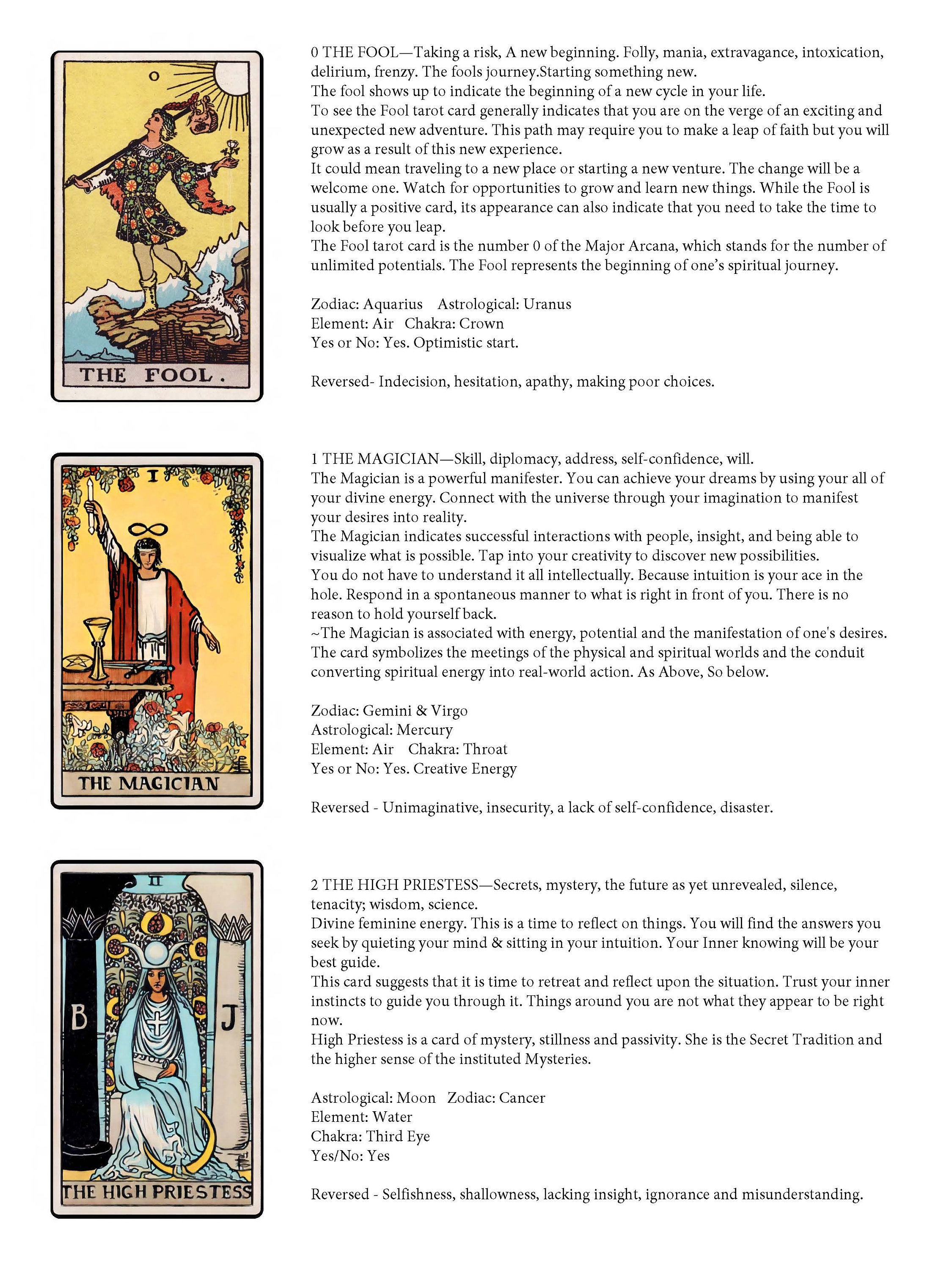
The Major Arcana cards are the heart of the tarot deck, each one a milestone on the path of personal and spiritual growth. For instance, The Magician symbolizes manifestation and resourcefulness, reminding you that you hold the tools to shape your reality. The High Priestess, on the other hand, represents intuition and the subconscious, urging you to trust your inner voice. Cards like The Lovers delve into relationships and choices, while Death—often misunderstood—signals transformation rather than literal demise. These cards don’t predict the future; they reflect the energies at play in your life, offering clarity and prompting you to ask deeper questions. By studying the Major Arcana, you’ll begin to see the patterns in your own life and recognize the universal themes that connect us all.
Minor Arcana: Navigating Everyday Life with Symbolic Insight
The Minor Arcana cards bring tarot into the realm of daily life, offering guidance on relationships, career, challenges, and opportunities. Each suit corresponds to an element and a facet of human experience: Cups (water) relate to emotions and connections, Pentacles (earth) to material wealth and stability, Swords (air) to intellect and conflict, and Wands (fire) to passion and creativity. For example, drawing the Three of Cups might suggest celebration and camaraderie, while the Five of Pentacles could highlight financial struggles or feelings of isolation. The key to interpreting these cards lies in their imagery and the emotions they evoke. Rather than seeing them as fixed predictions, view them as snapshots of potential energies—tools to help you navigate your choices with greater awareness.
Reversed Cards: Flipping the Script on Traditional Meanings
Tarot cards can appear upside down, a phenomenon known as “reversed” or “ill-dignified” cards. While some purists argue that reversals complicate readings, they actually add depth by highlighting blocked energy or internal struggles. For instance, The Chariot reversed might indicate a lack of direction or self-doubt, whereas Justice reversed could point to unfairness or a need to reassess a decision. Reversals encourage you to look beneath the surface, asking why a particular energy isn’t flowing as it should. They’re not omens of doom but invitations to explore what’s holding you back. By embracing reversals, you transform tarot into a more nuanced and compassionate guide.
Tarot Spreads: Structuring Your Questions for Deeper Insight
The way you lay out your tarot cards—known as a spread—can dramatically shape the insights you receive. Simple spreads like the Single-Card Pull offer quick clarity on a specific question, while more complex layouts, such as the Celtic Cross, provide a comprehensive overview of a situation, its influences, and potential outcomes. For beginners, the Three-Card Spread is ideal: it represents the past, present, and future, or the situation, challenge, and advice. Experiment with different spreads to see what resonates with you. Remember, there’s no “right” way to lay out the cards—your intuition plays a crucial role in interpreting their messages.

Tarot as a Tool for Self-Discovery and Personal Growth
Beyond divination, tarot is a mirror that reflects your subconscious thoughts, fears, and desires. Pulling a card like The Hermit might reveal a need for solitude and introspection, while Strength could highlight your capacity to overcome challenges with compassion. Tarot encourages you to confront aspects of yourself you might otherwise avoid, fostering self-awareness and growth. It’s not about predicting the future but about understanding the present moment more deeply. By journaling your readings and tracking recurring themes, you’ll start to see patterns in your life and gain valuable insights into your emotional landscape. Over time, tarot can become a trusted companion on your journey toward self-discovery.
Common Misconceptions About Tarot Cards
Tarot is often shrouded in myths and misunderstandings. One of the most pervasive is the idea that tarot can “predict” the future with absolute certainty. In reality, tarot offers a snapshot of potential outcomes based on current energies—it’s a tool for guidance, not a crystal ball. Another misconception is that tarot is inherently “dark” or “evil,” a notion fueled by pop culture and superstition. Tarot is neutral; its power lies in how you choose to use it. Whether you see it as a psychological tool, a spiritual guide, or a creative exercise, tarot’s meaning is shaped by your intention. Dispelling these myths allows you to approach the cards with an open mind and a sense of curiosity.
How to Choose Your First Tarot Deck
Selecting your first tarot deck is a deeply personal experience. While the Rider-Waite-Smith deck is a classic choice for beginners due to its clear symbolism, don’t feel limited to tradition. Some decks, like the Modern Witch Tarot or the Light Seer’s Tarot, offer contemporary interpretations that might resonate more with you. When choosing a deck, pay attention to how the imagery makes you feel. Do the cards evoke a sense of comfort, intrigue, or even discomfort? Trust your intuition—your connection to the deck is what matters most. Once you’ve chosen, spend time familiarizing yourself with the cards by studying their imagery, meanings, and the emotions they stir within you.
Ethical Considerations: Reading for Yourself and Others
Tarot can be a powerful tool for both self-reflection and helping others, but it’s essential to approach readings with ethics and responsibility. When reading for yourself, be honest about your intentions and open to the insights the cards reveal, even if they’re uncomfortable. If reading for others, always ask for their consent and remind them that tarot offers guidance, not definitive answers. Avoid making predictions that could cause unnecessary anxiety or influence important life decisions. Instead, frame your readings as a way to explore possibilities and encourage self-empowerment. Ethical tarot practice is rooted in respect—for yourself, the querent, and the cards themselves.
Conclusion
Tarot cards are far more than a set of mystical images—they’re a gateway to deeper self-awareness, a tool for navigating life’s complexities, and a canvas for exploring the human experience. By understanding the Major and Minor Arcana, embracing reversals, and experimenting with spreads, you’ll unlock the tarot’s potential as a guide for personal growth. Whether you’re seeking clarity, inspiration, or simply a new perspective, tarot offers a unique language to help you interpret the world around you. Remember, the cards don’t hold all the answers; they reflect the questions you ask and the intentions you bring. Approach tarot with an open heart and a curious mind, and you’ll discover that its true power lies not in predicting the future, but in illuminating the path forward.
FAQ
What are tarot cards used for?
Tarot cards are primarily used for divination, self-reflection, and personal growth.
How many cards are in a tarot deck?
A standard tarot deck contains 78 cards, divided into the Major Arcana and Minor Arcana.
What does a reversed tarot card mean?
A reversed tarot card often indicates blocked energy or internal struggles, providing deeper insights.
Leave a Reply