Short Answer
Embarking on a tarot card reading is like stepping into a labyrinth of symbols, where each card whispers secrets about your past, present, and future. This guide will illuminate the hidden meanings behind your tarot pull, transforming abstract imagery into a roadmap of self-discovery. You’ll learn how to interpret the Major and Minor Arcana, decode the language of suits, and understand the significance of card positions in a spread. By the end, you’ll not only grasp the mechanics of tarot but also appreciate its poetic power to reveal life’s hidden currents.
The Language of Tarot: A Dance of Symbols and Archetypes
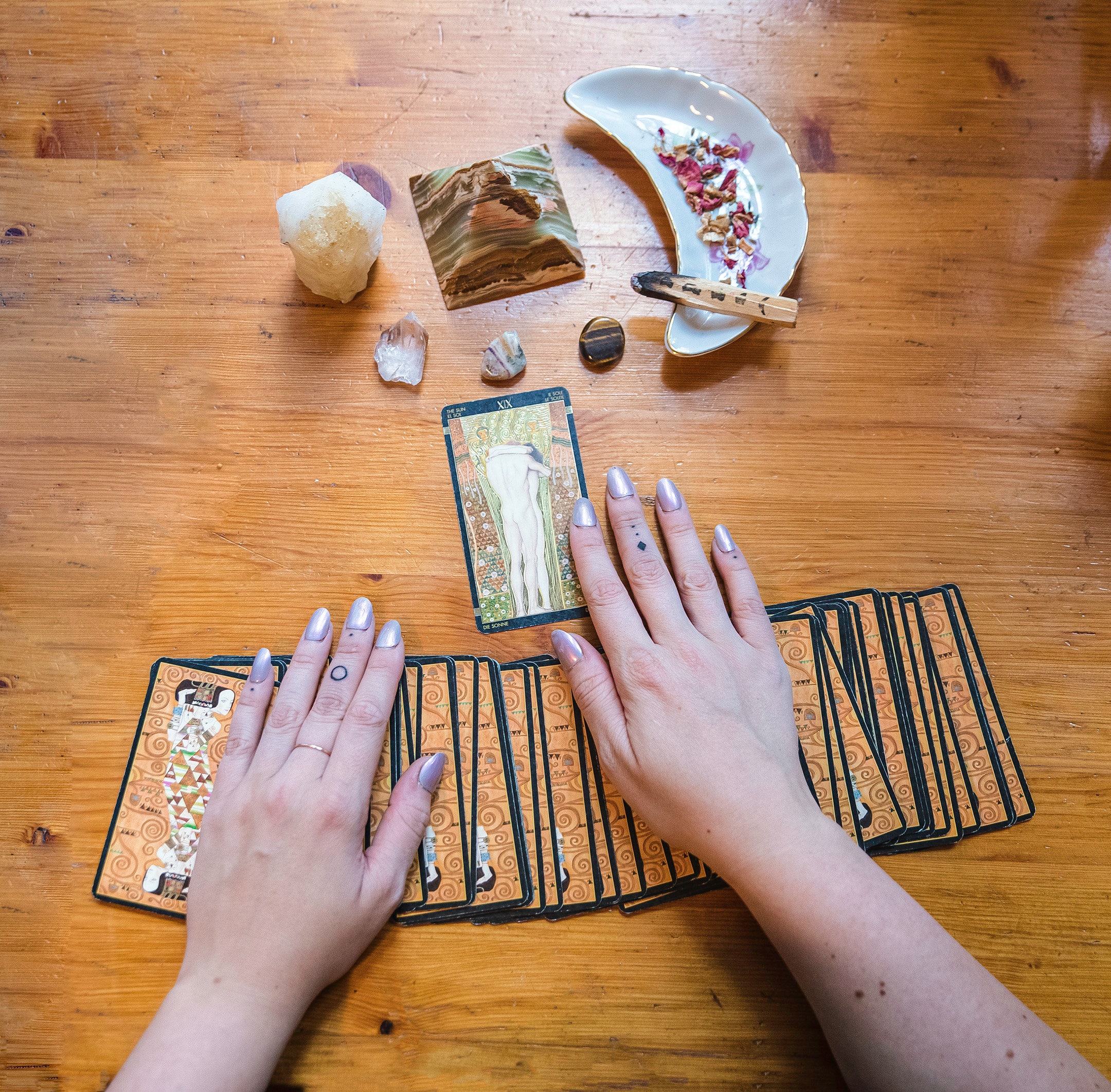
Tarot is a visual language where every image, color, and figure carries weight. The deck is divided into two main sections: the Major Arcana (22 cards representing life’s grand themes) and the Minor Arcana (56 cards reflecting everyday experiences). The Major Arcana cards, such as The Fool or Death, act as cosmic milestones, while the Minor Arcana—split into Cups, Pentacles, Swords, and Wands—mirror the rhythms of daily life.
For instance, The Lovers card isn’t just about romance; it symbolizes choices, harmony, and alignment with your true self. Meanwhile, the Five of Swords might hint at conflict or betrayal, urging you to reflect on your battles. The key is to see these cards not as fixed predictions but as mirrors reflecting your subconscious patterns and potential paths.
Decoding the Suits: Earth, Air, Fire, and Water in Your Reading
The Minor Arcana’s four suits correspond to elemental energies, each influencing the cards’ meanings:
- Cups (Water): Emotions, relationships, and intuition. A card like Three of Cups celebrates joy and connection, while Ace of Cups signals new emotional beginnings.
- Pentacles (Earth): Material world, finances, and stability. The Ten of Pentacles suggests legacy or family wealth, whereas Page of Pentacles hints at a new opportunity in work or learning.
- Swords (Air): Intellect, conflict, and communication. The Queen of Swords embodies clarity and independence, while Eight of Swords may reveal feelings of restriction or self-imposed limitations.
- Wands (Fire): Passion, creativity, and ambition. The Knight of Wands embodies fiery energy and adventure, while Two of Wands suggests planning your next bold move.
When a reading features multiple cards from one suit, it signals a dominant theme in your life. For example, a spread heavy in Swords might indicate a need to address mental conflicts or communicate more openly.
The Power of Card Positions: Context is Everything
Tarot readings gain depth when cards are placed in specific positions within a spread. A classic three-card layout—Past, Present, Future—offers a linear narrative, while a Celtic Cross spread weaves together multiple layers of meaning. For instance, a card in the “Challenge” position of a spread might highlight an obstacle, while one in the “Advice” position suggests a course of action.
Reversed cards add another dimension, often indicating blocked energy or internal resistance. The Tower reversed, for example, might suggest avoiding a collapse by addressing underlying issues before they escalate. However, reversals aren’t universally negative; they can also signal introspection or delayed gratification.
Interpreting Court Cards: The People in Your Story
Court cards—Pages, Knights, Queens, and Kings—represent personalities, energies, or even people in your life. A Queen of Cups might reflect your own nurturing side or a compassionate figure around you, while a Knight of Swords could symbolize a fast-talking, ambitious person (or your own restless drive). These cards often ask: “Who or what embodies this energy in my life?”
When a court card appears in a reading, observe its suit for clues. A King of Pentacles suggests someone grounded and successful, while a Page of Wands might represent a creative spark or a message of inspiration. Their presence can also indicate how you’re showing up in a situation—are you acting with the wisdom of a Queen or the impulsiveness of a Page?
The Art of Intuition: Beyond the Guidebook
While guidebooks provide a foundation, tarot is deeply personal. Your intuition is the compass that guides interpretation. Notice which cards resonate with you emotionally—perhaps the Six of Cups stirs memories of childhood, or the Nine of Swords fills you with dread. These reactions are clues. Ask yourself: “What does this card mean to me, right now?”
Try this exercise: Shuffle your deck while focusing on a question, then pull a single card. Before looking it up, jot down your immediate impressions. Compare your notes to the traditional meaning—you might be surprised by how closely they align. Over time, this practice sharpens your intuitive muscles and deepens your connection to the cards.
Common Pitfalls and How to Avoid Them
Tarot is a tool for insight, not a crystal ball. Avoid these mistakes:
- Over-reliance on reversals: Not all readers use reversed cards, and their meanings can vary. Stick to what feels authentic for you.
- Ignoring the bigger picture: A single card’s meaning changes when surrounded by others. Always consider the spread as a whole.
- Fear of the “bad” cards: Cards like The Devil or Ten of Swords aren’t curses—they’re invitations to confront what’s holding you back.
Remember, tarot is a conversation, not a verdict. If a reading leaves you feeling anxious, reframe it as an opportunity to grow rather than a prediction of doom.
Conclusion
Tarot is a mirror that reflects the soul’s landscape, blending ancient wisdom with personal revelation. By learning the language of symbols, embracing the power of intuition, and approaching each reading with curiosity, you transform tarot from a mystical curiosity into a profound tool for self-awareness. Whether you’re seeking clarity on a relationship, career, or inner conflict, the cards offer a poetic language to decode life’s mysteries. So shuffle your deck, ask your question, and let the cards guide you—not as a fortune-teller’s prophecy, but as a conversation with the universe itself.
FAQ
What do tarot card readings mean?
Tarot card readings provide insights into your past, present, and future through the interpretation of card symbols and positions.
How do I interpret tarot cards?
Interpretation involves understanding the meanings of the Major and Minor Arcana, the influences of suits, and the context provided by card positions in a spread.
What are the common mistakes in tarot reading?
Common mistakes include over-reliance on reversed cards, ignoring the overall spread context, and fearing ‘bad’ cards.
Leave a Reply