Short Answer
Tarot cards have captivated minds for centuries, offering a mirror to the human experience through rich symbolism and archetypal imagery. Whether you’re a curious beginner or a seasoned enthusiast, understanding the meaning of each card can unlock profound insights into life’s challenges, opportunities, and hidden truths. This guide breaks down the tarot deck card by card, revealing the layers of wisdom behind the Major and Minor Arcana. By exploring the upright meanings, reversed interpretations, and the deeper psychological and spiritual themes each card represents, you’ll gain a comprehensive toolkit for self-reflection, decision-making, and spiritual growth. Prepare to embark on a journey through the tarot’s symbolic landscape, where every card tells a story waiting to be understood.
The Major Arcana: The Soul’s Journey
The Major Arcana consists of 22 cards, each representing a significant milestone or lesson in the human experience. These cards are often seen as the “trump” cards, carrying more weight and symbolism than the Minor Arcana. They depict a journey from innocence (The Fool) to enlightenment (The World), mirroring the stages of personal and spiritual development.
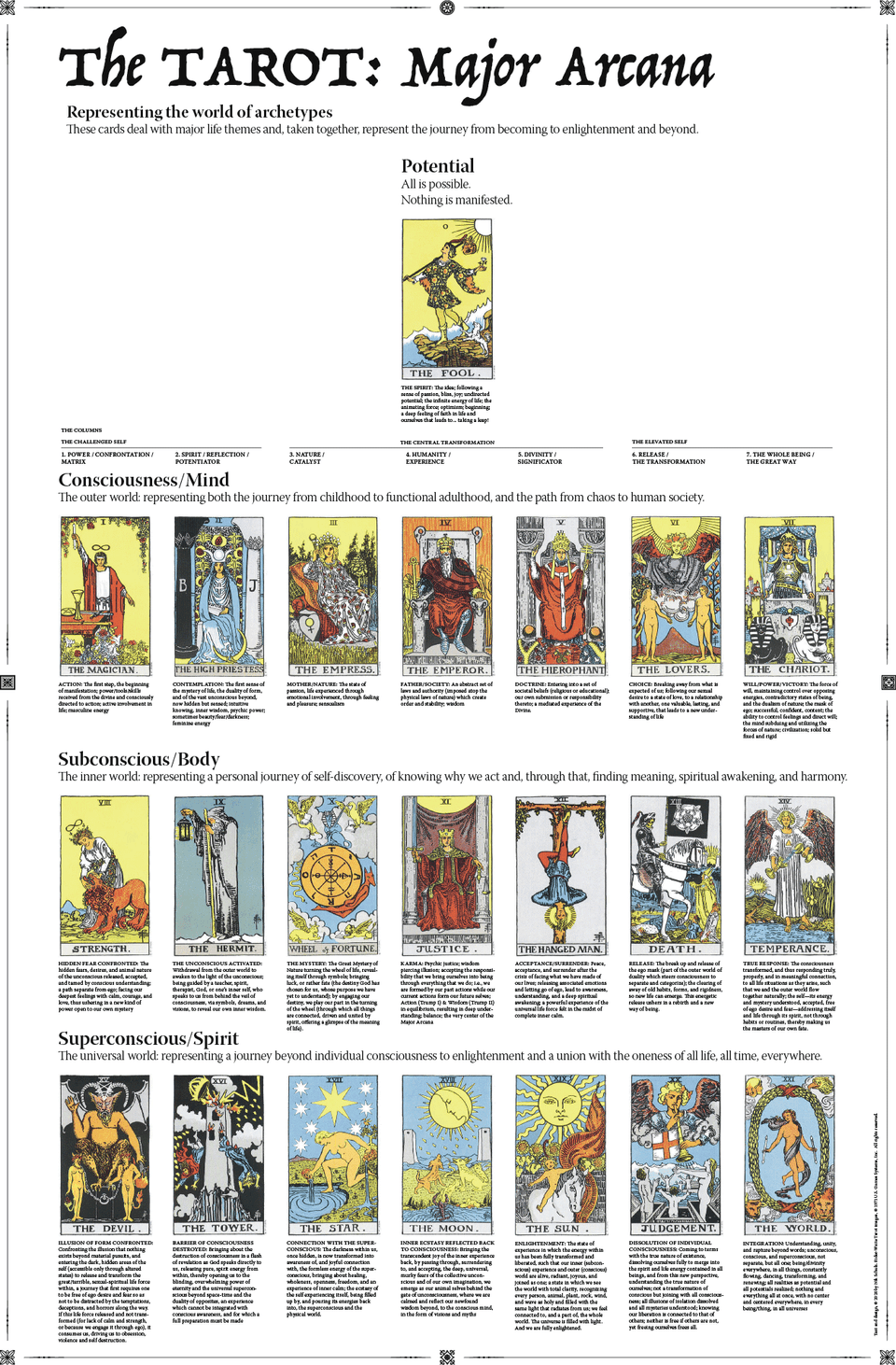
The Fool (0) represents new beginnings, spontaneity, and a leap of faith. It’s a card of potential and adventure, urging you to embrace the unknown with curiosity and trust. The reversed Fool may indicate recklessness or a lack of direction, suggesting the need for careful planning.
The Magician (I) embodies manifestation, skill, and resourcefulness. This card signifies the power to turn ideas into reality through focus and willpower. In reverse, it can point to manipulation or untapped potential.
The High Priestess (II) symbolizes intuition, mystery, and the subconscious mind. She encourages you to trust your inner wisdom and explore the unseen. Reversed, she may warn of repressed intuition or emotional imbalance.
The Empress (III) represents nurturing, abundance, and creativity. This card is a reminder to embrace sensuality, growth, and the beauty of nature. In reverse, it can indicate overindulgence or neglect of self-care.
The Emperor (IV) stands for structure, authority, and leadership. It’s a call to take control of your life and establish boundaries. Reversed, it may reflect rigidity or an abuse of power.
The Hierophant (V) signifies tradition, spirituality, and guidance. This card often points to seeking wisdom from mentors or established systems. In reverse, it can suggest dogma or resistance to change.
The Lovers (VI) is about choices, relationships, and harmony. It’s not just about romantic love but also about aligning with your true values. Reversed, it may indicate disharmony or difficult decisions.
The Chariot (VII) represents determination, willpower, and victory. It’s a card of overcoming obstacles through focus and perseverance. In reverse, it can signal a lack of direction or inner conflict.
Strength (VIII) embodies inner courage, patience, and compassion. This card teaches that true strength comes from within, not force. Reversed, it may reflect self-doubt or aggression.
The Hermit (IX) symbolizes introspection, solitude, and wisdom. It’s a call to retreat and reflect on your life’s purpose. Reversed, it can indicate isolation or avoidance of necessary self-examination.
Wheel of Fortune (X) represents cycles, change, and destiny. This card reminds you that life is full of ups and downs, and fortune favors the prepared. Reversed, it may suggest bad luck or resistance to change.
Justice (XI) embodies fairness, truth, and accountability. It’s a card of cause and effect, urging you to take responsibility for your actions. Reversed, it can indicate injustice or dishonesty.
The Hanged Man (XII) symbolizes surrender, new perspectives, and sacrifice. It’s a card of letting go and seeing things differently. Reversed, it may reflect stagnation or resistance to change.
Death (XIII) represents transformation, endings, and rebirth. It’s not about literal death but about shedding old habits and embracing change. Reversed, it can indicate fear of change or stagnation.
Temperance (XIV) embodies balance, patience, and harmony. This card encourages moderation and finding the middle path. Reversed, it may suggest imbalance or excess.
The Devil (XV) represents bondage, materialism, and unhealthy attachments. It’s a warning against toxic relationships or addictions. Reversed, it can indicate breaking free from limitations.
The Tower (XVI) symbolizes sudden upheaval, chaos, and revelation. It’s a card of destruction leading to growth. Reversed, it may suggest avoiding necessary change or delayed consequences.
The Star (XVII) embodies hope, inspiration, and healing. This card is a reminder to trust in the universe and your inner light. Reversed, it can indicate despair or disillusionment.
The Moon (XVIII) represents illusion, intuition, and the subconscious. It’s a card of hidden truths and emotional depth. Reversed, it may suggest confusion or deception.
The Sun (XIX) symbolizes joy, success, and vitality. This card is a celebration of life’s blessings and inner child energy. Reversed, it can indicate temporary setbacks or lack of clarity.
Judgment (XX) embodies awakening, redemption, and a call to action. It’s a card of rebirth and self-reflection. Reversed, it may suggest self-doubt or delayed decisions.
The World (XXI) represents completion, fulfillment, and wholeness. It’s a card of achievement and spiritual enlightenment. Reversed, it can indicate unfinished business or a lack of closure.
The Minor Arcana: The Tapestry of Daily Life
The Minor Arcana consists of 56 cards divided into four suits: Wands, Cups, Swords, and Pentacles. These cards reflect the everyday experiences, challenges, and joys of life. Each suit corresponds to an element and a set of themes:

Wands (Fire) represent passion, creativity, ambition, and inspiration. They are associated with action, energy, and personal growth. In readings, Wands often indicate new projects, challenges, or a surge of motivation.
Cups (Water) embody emotions, relationships, intuition, and the subconscious. They reflect love, friendship, creativity, and spiritual connections. Cups cards often highlight emotional states, desires, and intuitive insights.
Swords (Air) symbolize intellect, communication, conflict, and decision-making. They deal with thoughts, words, and mental clarity. Swords cards can indicate challenges, truth-seeking, or the need for honest communication.
Pentacles (Earth) represent material wealth, practicality, stability, and the physical world. They focus on finances, career, health, and tangible achievements. Pentacles cards often highlight opportunities for growth, security, and long-term planning.
Each suit contains ten numbered cards (Ace through 10) and four court cards (Page, Knight, Queen, King). The court cards represent people, personalities, or energies in your life, while the numbered cards reflect stages or aspects of a situation.
Reversed Cards: Uncovering Hidden Truths
Reversed tarot cards occur when a card appears upside down in a spread. While some interpret reversals as negative, they often highlight blocked energy, internal struggles, or areas needing attention. A reversed card can signal:
- Blocked Potential: The card’s energy is suppressed or not fully realized.
- Internal Conflict: There’s a struggle between the card’s upright meaning and your current state.
- Delayed Timing: The card’s message is not yet relevant or needs more time to manifest.
- Shadow Aspects: The card reveals hidden fears, weaknesses, or unresolved issues.
For example, the reversed Three of Cups may indicate loneliness or superficial relationships, while the upright card celebrates joy and connection. Reversals add depth to readings, encouraging you to look beneath the surface.
Reading Tarot Cards: Practical Tips and Spreads
Tarot is a tool for self-discovery, but reading cards effectively requires practice and intuition. Here are some tips to enhance your readings:
- Set an Intention: Before pulling cards, clarify your question or focus. This helps channel your energy and receive clearer messages.
- Trust Your Intuition: While guidebooks provide meanings, your gut feeling about a card’s message is equally important.
- Observe Symbols: Pay attention to colors, imagery, and emotions evoked by the cards. These details often hold personal significance.
- Use Spreads: Spreads like the Celtic Cross or a simple three-card spread (Past, Present, Future) provide structure for your readings.
- Journal Your Readings: Documenting your interpretations helps track patterns and deepen your understanding over time.
Common Misconceptions and the Deeper Fascination
Tarot is often misunderstood as a tool for predicting the future, but its true power lies in reflection and guidance. The fascination with tarot stems from its ability to:
- Reveal Subconscious Patterns: The cards act as a mirror, bringing hidden thoughts and emotions to light.
- Encourage Self-Awareness: By exploring different cards, you gain insights into your motivations, fears, and desires.
- Provide Clarity: Tarot can help you see situations from new angles, making decision-making easier.
- Connect with Archetypes: The cards tap into universal symbols and stories, resonating with the collective human experience.
The language of tarot is rich and symbolic, allowing for personal interpretation while maintaining a connection to ancient wisdom. Whether you’re seeking answers, inspiration, or a deeper understanding of yourself, tarot offers a unique and transformative path.
Conclusion
Tarot cards are more than just a divination tool—they are a gateway to self-discovery, empowerment, and spiritual growth. By understanding the meanings of each card, both upright and reversed, you unlock a language that speaks to the heart of human experience. The Major Arcana guides you through life’s grand themes, while the Minor Arcana reflects the everyday tapestry of existence. Whether you use tarot for personal insight, creative inspiration, or spiritual exploration, its wisdom is boundless.
As you continue your tarot journey, remember that the cards are a reflection of your inner world. They do not dictate fate but illuminate possibilities, challenges, and paths forward. Embrace the mystery, trust your intuition, and let the tarot be your companion in the ever-unfolding story of your life.
FAQ
What is the significance of tarot cards?
Tarot cards are tools for self-reflection and insight, helping individuals understand their life’s challenges and opportunities through symbolic imagery.
How do I interpret reversed tarot cards?
Reversed tarot cards often indicate blocked energy or internal struggles, highlighting areas that need attention.
FAQ
What is the significance of tarot cards?
Tarot cards are tools for self-reflection and insight, helping individuals understand their life’s challenges and opportunities through symbolic imagery.
How do I interpret reversed tarot cards?
Reversed tarot cards often indicate blocked energy or internal struggles, highlighting areas that need attention.
Leave a Reply