Short Answer
Ever wondered what the Devil tarot card reveals about your relationship with money? This guide dives deep into the financial implications of this powerful card, helping you uncover hidden patterns, confront addictive tendencies, and reclaim control over your wealth. Whether you’re drawn to the allure of quick riches or trapped in a cycle of overspending, the Devil card offers a mirror to your financial soul. Let’s explore its meaning, challenges, and how to break free from its grip.
The Devil Tarot Card: A Financial Mirror
The Devil tarot card is often misunderstood as purely negative, but in the realm of money, it serves as a stark reflection of your financial habits. This card represents bondage—whether to debt, materialism, or compulsive spending. It doesn’t just warn of financial pitfalls; it exposes the emotional chains that keep you tied to unhealthy money behaviors. Are you a shopaholic? Do you chase get-rich-quick schemes? The Devil card asks you to confront these patterns head-on.

At its core, the Devil symbolizes addiction. In a financial context, this could manifest as:
- Overspending: Using retail therapy to fill emotional voids.
- Debt Traps: Borrowing recklessly to maintain a lifestyle beyond your means.
- Greed: Obsessing over wealth accumulation at the expense of relationships or well-being.
- Financial Denial: Ignoring bills, statements, or budgets to avoid reality.
The card’s imagery—chained figures bound to the Devil’s throne—mirrors how these behaviors can feel inescapable. But here’s the twist: the chains are loose. The Devil’s power over you is an illusion. Recognizing this is the first step to breaking free.
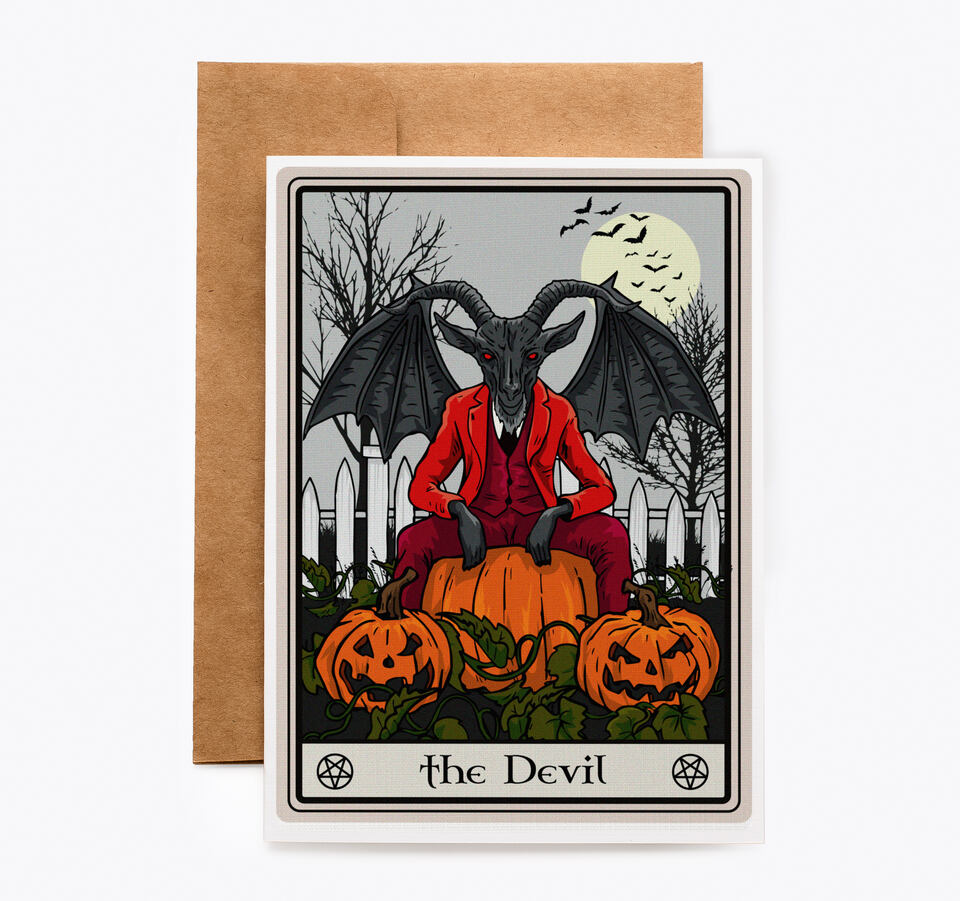
Financial Addiction: The Devil’s Siren Call
Financial addiction isn’t just about having too much or too little money—it’s about the emotional highs and lows tied to it. The Devil card thrives in this cycle, feeding on your need for instant gratification or the adrenaline of risk-taking. Consider these scenarios:
- Compulsive Gambling: The thrill of the bet becomes an escape, masking deeper issues like stress or low self-worth.
- Lifestyle Inflation: Upgrading your car, home, or wardrobe to impress others, even when it drains your savings.
- Paycheck-to-Paycheck Living: Relying on credit cards or loans to cover basic expenses, creating a cycle of dependency.
- Hoarding: Clinging to money or possessions out of fear of scarcity, even when it harms your quality of life.
The Devil card doesn’t judge—it reveals. It asks: What are you really chasing when you spend? Is it security? Validation? Control? The answer might surprise you. Financial addiction often stems from unmet emotional needs, and the Devil card shines a light on these gaps.
Breaking the Chains: Practical Steps to Financial Liberation
So, how do you escape the Devil’s grip? The card’s presence isn’t a life sentence—it’s a wake-up call. Here’s how to respond:
1. Audit Your Spending Habits
Grab your bank statements and categorize every expense for the past three months. Highlight patterns: Are you spending on things you don’t need? Do you impulse-buy when stressed? Tools like budgeting apps or spreadsheets can help you track these leaks. The goal isn’t to shame yourself but to see the truth.
2. Identify Your Financial Triggers
The Devil card thrives on emotional triggers. Ask yourself:
- Do I shop when I’m bored, lonely, or anxious?
- Do I equate spending with love (e.g., gifts for others or myself)?
- Am I chasing wealth to prove something to others?
Journaling or therapy can help uncover these patterns. Once you recognize your triggers, you can replace destructive habits with healthier ones—like a walk instead of online shopping or a budget-friendly hobby instead of a luxury splurge.
3. Create a “Freedom Fund”
Financial addiction often stems from a scarcity mindset. Counter this by building a small emergency fund, even if it’s just $500. This fund acts as a safety net, reducing the urge to rely on credit or last-minute borrowing. Start small: set aside $20 a week until you reach your goal. The act of saving itself can be empowering.
4. Challenge the “More is Better” Myth
The Devil card preys on the illusion that more money or possessions will bring happiness. But studies show that beyond a certain income, additional wealth doesn’t improve well-being. Try a “no-spend month” or a “minimalist challenge” to test this theory. You might discover that freedom—not stuff—is the real luxury.
5. Seek Support
Financial addiction can feel isolating, but you’re not alone. Support groups like Debtors Anonymous or financial therapy can provide accountability and tools. If you’re struggling with compulsive spending, consider a “shopping ban” with a friend or partner. The key is to replace secrecy with support.

The Devil Card’s Warning: When to Hit Pause
The Devil tarot card isn’t just about individual habits—it can also reflect societal pressures. In a culture obsessed with consumerism, the Devil’s chains are everywhere:
- Social Media: Influencers flaunting wealth can fuel envy and overspending.
- Advertising: Marketers exploit insecurities to sell products you don’t need.
- Economic Systems: Predatory lending or gig economy instability can create cycles of financial stress.
If the Devil card appears in a reading about money, it’s a sign to pause and question the narratives around wealth. Are you chasing someone else’s definition of success? Are you ignoring red flags in investments or jobs? The card urges you to reclaim agency over your financial story.
Conclusion: From Bondage to Freedom
The Devil tarot card’s message about money is clear: your relationship with wealth is a reflection of your inner world. Whether it’s debt, greed, or compulsive spending, the chains you feel are often self-imposed. The good news? You hold the key to unlock them.
Start small. Track your spending, challenge your triggers, and build a foundation of financial self-awareness. Remember, the Devil’s power lies in secrecy and denial. By shining a light on your habits, you take the first step toward liberation. Financial freedom isn’t about having more—it’s about needing less of what doesn’t serve you.
So, what’s the first chain you’ll break?
FAQ
What does the Devil tarot card symbolize in relation to money?
The Devil tarot card symbolizes financial addiction, compulsive spending, and the emotional chains that bind individuals to unhealthy financial behaviors.
How can I break free from financial addiction?
To break free from financial addiction, you can audit your spending, identify financial triggers, create a ‘freedom fund’, challenge the myth that more is better, and seek support.
Leave a Reply