Short Answer
Have you ever pulled the Devil card in a tarot reading and felt a shiver run down your spine? You’re not alone. The Devil tarot card is one of the most intense and misunderstood cards in the deck. It’s not just about doom and gloom—it’s about recognizing the chains you’ve wrapped around yourself, often without even realizing it. In this guide, we’ll explore what it truly means when the Devil card appears in your reading, especially when it feels like you’re the cage. You’ll learn how to spot the Devil’s influence in your life, understand its challenges, and ultimately break free from the illusions that bind you. By the end, you’ll see this card not as a warning, but as a powerful invitation to reclaim your freedom.
The Devil Tarot Card: A Mirror to Your Inner Shadows
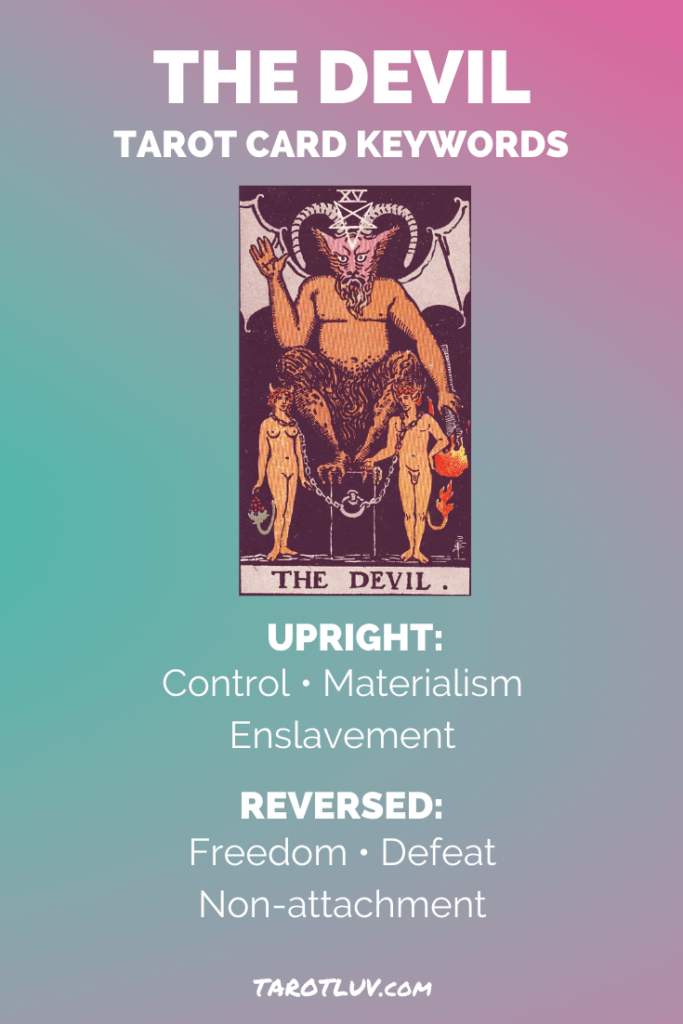
The Devil tarot card, often depicted with a horned figure and chained figures at its feet, is a symbol of bondage—but not always the kind you think. While it’s easy to assume this card represents external forces controlling you, the truth is far more personal. The chains in the image are often loose, suggesting that the real prison is the one you’ve built for yourself. This card asks you to examine the habits, relationships, or beliefs that keep you stuck in cycles of self-sabotage, addiction, or toxic patterns.
At its core, the Devil card is about illusion and attachment. It highlights the things you cling to—whether it’s a toxic relationship, a dead-end job, or even a self-image that no longer serves you. The card doesn’t judge; it simply holds up a mirror. Are you the one chained, or are you the one holding the key? The answer lies in how you interpret its message.
You’re the Cage: Recognizing Self-Imposed Chains
One of the most challenging aspects of the Devil card is the realization that you might be your own jailer. This card doesn’t just point to external oppressors; it forces you to confront the ways you’ve willingly tied yourself to suffering. Ask yourself: What am I holding onto that’s no longer serving me? Is it a grudge, a fear, or a comfort zone that’s really a prison in disguise?
The Devil thrives in comfortable prisons—those situations where you tell yourself, “It’s not that bad,” or “I have no choice.” Maybe it’s a job you hate but can’t quit, a partner who drains you but you stay out of fear, or a belief that you’re unworthy of better. The card doesn’t shame you for these attachments; it simply asks you to see them clearly. Once you recognize the cage, you can start to dismantle it.

The Devil’s Playful Question: What Are You Addicted To?
The Devil card isn’t just about serious matters like addiction—it’s about any obsession or compulsion that keeps you from living fully. It could be an addiction to drama, to people-pleasing, to procrastination, or even to the rush of chaos. The card asks a playful yet pointed question: What’s your drug? Not in the literal sense, but in the way you numb yourself, distract yourself, or sabotage your own happiness.
This isn’t about judgment; it’s about awareness. The Devil card invites you to laugh at your own patterns, to see the absurdity in how you’ve trapped yourself. Maybe you’re addicted to being the “strong one” in your family, or you can’t resist the drama of a toxic friendship. The card says, “Enough. What if you chose freedom instead?”
Breaking Free: The Path to Liberation
So, how do you escape the cage when the Devil card appears? The first step is acknowledging the chains. Denial is the Devil’s best friend, so honesty is your greatest tool. Write down the things you’re holding onto—even the small ones. Then, ask yourself: What would happen if I let this go?
Next, look for the loopholes. In the tarot imagery, the figures chained to the Devil have loose chains, meaning they could walk away at any time. What’s your loophole? Is it a moment of clarity, a supportive friend, or a new perspective? The Devil card doesn’t leave you powerless—it reminds you that the key to your freedom has always been in your hands.
Finally, take one small step toward breaking the cycle. It could be setting a boundary, ending a toxic habit, or simply choosing a different thought pattern. The Devil card doesn’t demand perfection—it asks for progress. Each step you take weakens its grip on you.
When the Devil Card Appears in Different Contexts
The Devil card’s message can shift depending on its position in a spread or the question you’re asking. Here’s how it might manifest in different areas of your life:
- Love and Relationships: Are you staying in a relationship out of fear rather than love? The Devil card might be asking you to examine whether your attachment is healthy or just a habit.
- Career and Finances: Are you tolerating a job that drains you because of security or ego? The card could be nudging you to consider what you’re truly worth.
- Self-Image: Do you cling to an identity that no longer fits? The Devil might be asking you to shed old labels and step into a freer version of yourself.
- Spiritual Growth: Are you holding onto limiting beliefs about your potential? The card could be a call to release what no longer aligns with your highest self.
Conclusion: The Devil as a Guide, Not a Villain
The Devil tarot card is often feared, but it’s really a teacher in disguise. It doesn’t exist to punish you—it exists to show you the cages you’ve built and the illusions you’ve bought into. When you pull this card, don’t panic. Instead, ask yourself: Where am I the jailer? The answer might surprise you.
Remember, the chains in the card are loose. You have the power to walk away. The Devil isn’t your enemy; it’s the mirror that reflects your own strength. By facing its message with honesty and courage, you don’t just break free—you reclaim your power. And that’s the most liberating gift the tarot can offer.
FAQ
What does the Devil tarot card represent?
The Devil tarot card represents self-imposed bondage, illusions, and the need for personal liberation.
How can I interpret the Devil card in a reading?
The Devil card prompts you to examine your attachments and consider what chains you've built for yourself.
Leave a Reply