Short Answer
In this comprehensive guide, you will explore the multifaceted concept of judgement and judgment, examining its linguistic, psychological, legal, and philosophical dimensions. You’ll uncover why this topic captivates human thought across cultures and eras, and how subtle differences in spelling reflect deeper linguistic and cultural nuances. Whether you’re curious about self-reflection, societal structures, or the mechanics of justice, this guide provides clarity and insight.
The Linguistic Divide: Judgement vs. Judgment
The English language presents two spellings of the same word: judgement and judgment. This variation stems from historical and regional influences. In American English, judgment is the preferred spelling, reflecting standardization efforts in the 19th century. Meanwhile, British English and many Commonwealth countries favor judgement, preserving older linguistic forms. Both spellings are correct, but context and audience often dictate the choice. The distinction is purely orthographic—both convey the same core meaning: the act of forming an opinion, decision, or conclusion.
Interestingly, the word’s etymology traces back to the Old French jugement, derived from the Latin judicium, meaning “a decision or trial.” This shared root underscores the word’s deep connection to legal and evaluative processes. The spelling divergence highlights how language evolves differently across geographies, yet remains rooted in shared origins.
The Psychological Dimension: Why Humans Judge
Judging is a fundamental cognitive function. From an evolutionary perspective, the ability to assess situations quickly—identifying threats, allies, or resources—was crucial for survival. Today, this instinct manifests in social interactions, where we constantly evaluate others based on appearance, behavior, or perceived intentions. While judgment can be a survival tool, it also carries risks. Snap judgments often rely on biases and stereotypes, leading to unfair conclusions. Understanding the psychology behind judgment helps us recognize when our evaluations are objective and when they’re clouded by prejudice.
Self-judgment, or introspection, is equally significant. Humans possess a unique capacity for self-awareness, allowing us to reflect on our actions, motivations, and shortcomings. This introspective judgment can drive personal growth or, conversely, lead to self-criticism and anxiety. The balance between constructive self-evaluation and destructive self-judgment is delicate, influencing mental health and emotional well-being.
Judgment in Society: Systems of Justice and Fairness
At its core, judgment underpins legal and social systems. Courts of law exist to deliver judgments—verdicts that determine guilt, innocence, or liability. These judgments are ideally based on evidence, laws, and principles of fairness. However, the justice system is not immune to flaws. Bias in judgment, whether conscious or unconscious, can lead to disparities in sentencing, racial profiling, or wrongful convictions. Addressing these issues requires transparency, accountability, and continuous reform.
Beyond the courtroom, societal judgment shapes norms, expectations, and hierarchies. Cultural standards dictate what behaviors are deemed acceptable or taboo, and those who deviate often face social judgment. While these norms can foster cohesion, they can also stifle individuality and innovation. The tension between conformity and personal freedom is a recurring theme in discussions about judgment in society.
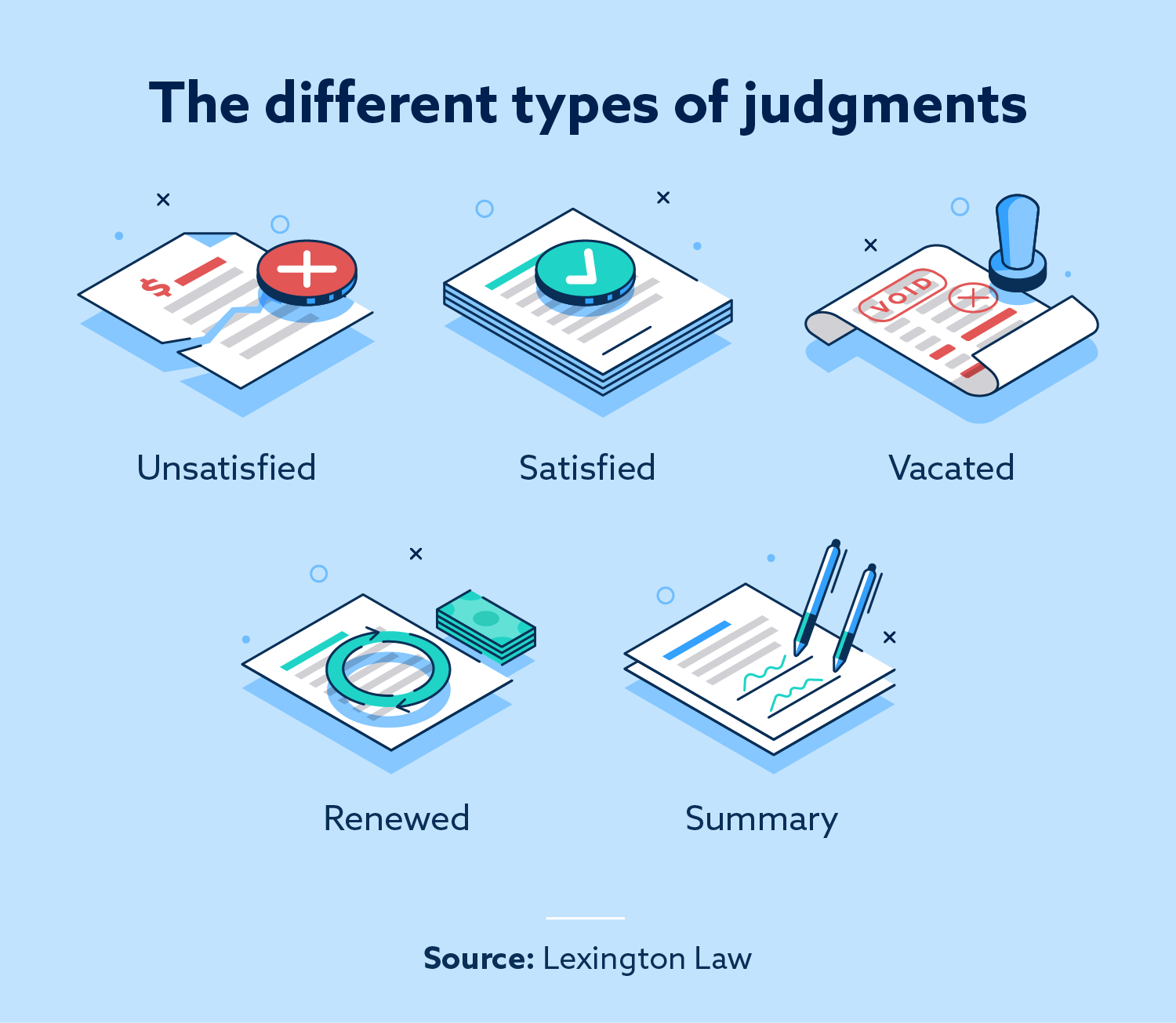
The Spiritual and Philosophical Lens: Judgment as a Moral Compass
Many religious and philosophical traditions explore judgment as a moral or spiritual concept. In Christianity, for instance, the idea of divine judgment looms large, with themes of heaven, hell, and moral accountability. The biblical admonition “Judge not, lest ye be judged” (Matthew 7:1) serves as a reminder of the dangers of hypocrisy and the importance of humility in evaluation. Similarly, in Buddhism, the concept of karma ties judgment to the consequences of one’s actions, emphasizing that our judgments of others often reflect our own ethical state.
Philosophically, judgment is central to ethics and epistemology. Immanuel Kant argued that moral judgment should be guided by reason and duty, rather than emotion or consequence. Meanwhile, thinkers like Friedrich Nietzsche challenged traditional moral judgments, arguing that they often serve as tools of control by those in power. These perspectives highlight judgment’s role not just as a cognitive process, but as a force that shapes morality, power structures, and individual identity.
The Art of Self-Judgment: Growth Through Reflection
Self-judgment, when approached with self-compassion, can be a catalyst for growth. Journaling, meditation, and therapy are tools that encourage mindful self-evaluation. By examining our thoughts and behaviors without harshness, we can identify patterns, set goals, and cultivate resilience. However, excessive self-judgment can lead to cycles of self-doubt and paralysis. Learning to differentiate between constructive criticism and destructive rumination is key to harnessing self-judgment as a tool for improvement.
In relationships, self-judgment also plays a role in how we perceive others. Projection—judging others based on our own insecurities—is a common pitfall. Recognizing this tendency allows us to separate our internal narratives from external realities, fostering healthier connections with those around us.
Conclusion
Judgment and judgement are more than linguistic curiosities—they are fundamental to how we navigate the world. From the courtroom to the mind, from societal norms to spiritual beliefs, judgment shapes our decisions, relationships, and sense of self. By understanding its psychological roots, societal implications, and philosophical dimensions, we gain the tools to judge wisely—both in our assessments of others and ourselves. The fascination with judgment reflects a deeper human quest: to find meaning, fairness, and truth in a complex world. Whether through introspection, dialogue, or systemic reform, the act of judging remains an inescapable and essential part of the human experience.
FAQ
What is the difference between 'judgment' and 'judgement'?
The difference lies in spelling; ‘judgment’ is preferred in American English, while ‘judgement’ is more common in British English. Both refer to the same concept.
Why do humans judge others?
Judging is a cognitive function that has evolved for survival, helping individuals assess situations, resources, and social interactions.
Leave a Reply