Short Answer
Embark on a journey through the tranquil yet profound realm of the Four of Swords, a tarot card that whispers of rest, reflection, and the delicate balance between renewal and resentment. In this guide, you’ll uncover the layered meanings behind this card—whether it signals a well-deserved pause or a simmering undercurrent of bitterness. Discover how the Four of Swords serves as a mirror to your inner state, revealing when to retreat for healing and when to confront lingering discontent. By the end, you’ll see this card not just as a symbol of stillness, but as a catalyst for deeper self-awareness and transformation.
The Four of Swords: A Sanctuary of Stillness
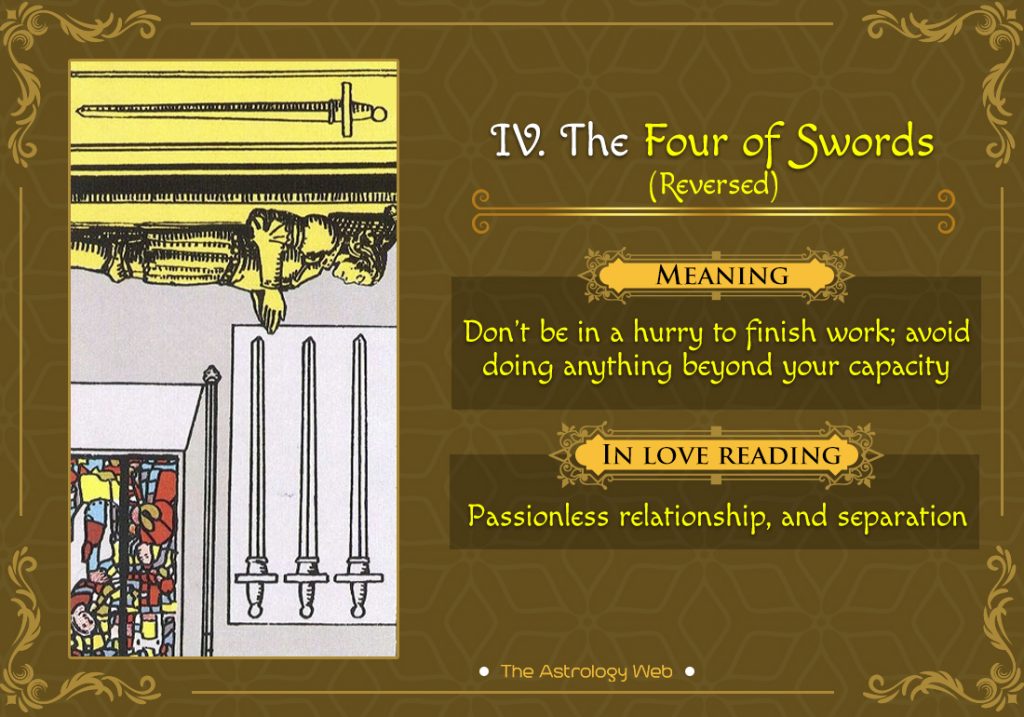
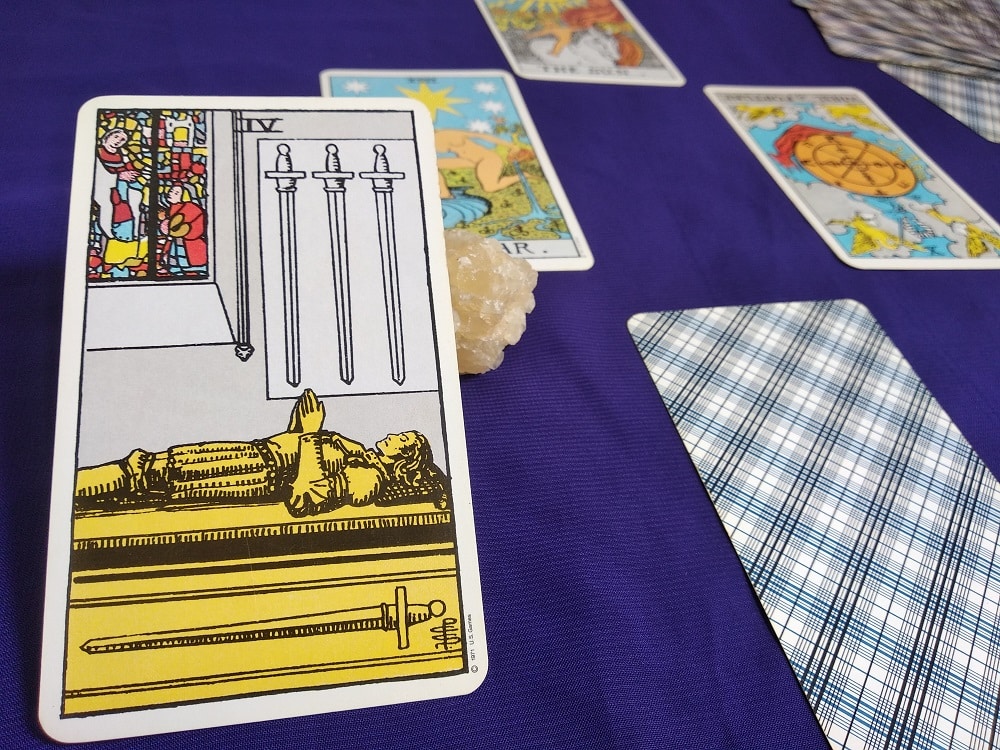
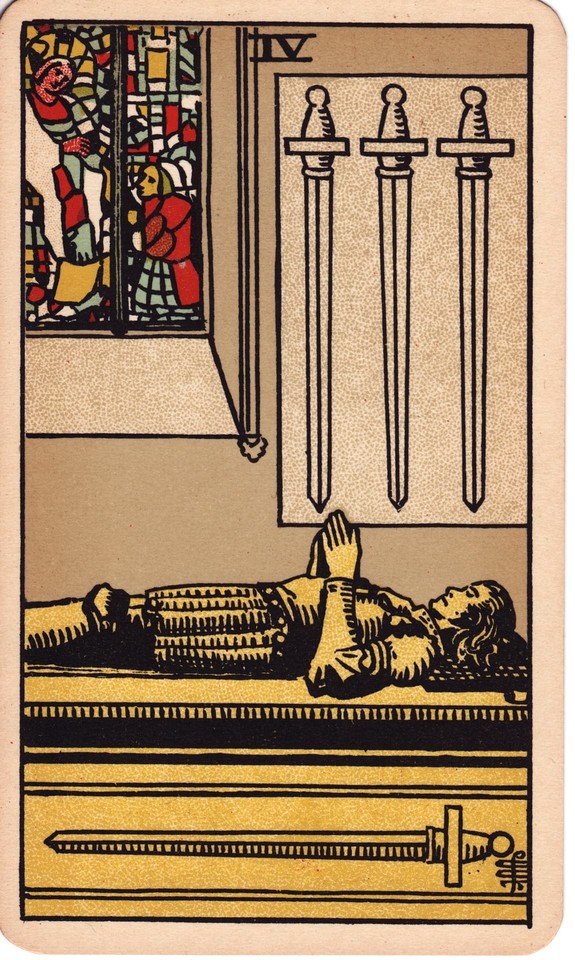
The Four of Swords often depicts a figure lying peacefully beneath a stained-glass window, hands clasped in prayer or meditation, surrounded by the quiet hum of a sacred space. This imagery is far from mere decoration—it’s a visual sermon on the power of rest. Unlike the frenetic energy of other cards, this one invites you to lay down your burdens, if only for a moment. It’s a reminder that true strength isn’t found in constant motion but in the courage to pause.
Metaphorically, the Four of Swords is a cocoon—a place where transformation begins in silence. Think of it as the eye of a storm, where the chaos of life momentarily stills, allowing you to gather your thoughts and replenish your spirit. This card doesn’t just advocate for rest; it celebrates it as an act of defiance against burnout and overwhelm. In a world that glorifies productivity, the Four of Swords dares to say: “What if the most rebellious thing you could do is rest?”
Rest vs. Resentment: The Dual Nature of the Four of Swords
While the upright Four of Swords radiates serenity, its reversed counterpart introduces a shadowy twist—one that questions whether your rest has curdled into resentment. This duality is what makes the card so intriguing. Rest, when embraced consciously, is a gift to yourself. But when forced or prolonged without purpose, it can fester into a quiet grudge against the world, a sense of being stuck, or even a refusal to engage with life’s challenges.
Imagine a winter hibernation that never ends. The bear curls up in its den, warm and safe, but if it stays too long, it risks missing the awakening of spring. Similarly, the reversed Four of Swords might signal that you’re clinging to your retreat not out of necessity, but out of fear or avoidance. It asks: “Are you resting to heal, or are you hiding to escape?” This card doesn’t judge—it simply holds up a mirror, urging you to examine the motives behind your stillness.
When the Four of Swords Calls: Recognizing the Signs
The Four of Swords doesn’t announce itself with fanfare; it creeps in like twilight, a gentle nudge to slow down. In readings, it often appears when you’re on the brink of exhaustion, when your body or mind is sending signals that something needs to change. It might show up after a period of intense activity, suggesting that it’s time to withdraw and recharge. But it can also appear when you’re avoiding a difficult truth, using rest as a shield rather than a sanctuary.
Pay attention to the context of the card in your spread. If it’s surrounded by swords (the suit of conflict), it may indicate that your rest is a temporary respite before facing a challenge. If it’s paired with cups (the suit of emotions), it could point to a need for emotional healing. The Four of Swords is a chameleon, adapting its message to your unique circumstances. Trust that it appears when you need it most—whether to remind you to breathe or to confront what you’ve been avoiding.
The Ritual of Rest: How to Honor the Four of Swords
Incorporating the wisdom of the Four of Swords into your life isn’t about literal solitude (though that can be powerful). It’s about creating rituals that honor your need for stillness. Start with small acts: a morning meditation, a walk in nature without your phone, or an evening where you refuse to engage with work. These aren’t luxuries; they’re necessities for your well-being.
For those who struggle to rest, try framing it as a strategic pause. Think of it like a chess player who steps back to see the board more clearly. Or a gardener who lets the soil lie fallow before planting anew. Rest isn’t laziness—it’s the foundation of all future action. And if resentment creeps in, ask yourself: “What am I protecting myself from?” Sometimes, the answer is as simple as the need to feel safe, even if that safety is just a quiet room and a deep breath.
Conclusion: The Four of Swords as a Compass for Life’s Seasons
The Four of Swords is more than a card of rest—it’s a compass guiding you through life’s inevitable seasons of activity and stillness. It teaches that rest isn’t the opposite of progress; it’s a vital part of it. Whether you’re embracing the upright card’s call to retreat or confronting the reversed card’s whisper of resentment, the message is clear: your needs matter. Honor them, and you’ll find that even in silence, there’s power.
So the next time the Four of Swords appears in your life or in a reading, don’t just see it as a card. See it as an invitation—to pause, to reflect, and to remember that you, too, deserve the sanctuary of stillness.
FAQ
What does the Four of Swords mean in tarot?
The Four of Swords symbolizes rest, reflection, and the need to pause for renewal. It can also indicate a warning against stagnation and resentment.
How does the reversed Four of Swords differ from the upright?
The reversed Four of Swords suggests that rest may have turned into avoidance or resentment, urging you to examine your motives for retreating.
Leave a Reply