Short Answer
Have you ever pulled a tarot card and felt a sudden urge to triple-check its meaning? Or perhaps you’ve drawn multiple threes in a row and wondered if the universe is trying to tell you something about balance, growth, or even a sneaky little challenge lurking around the corner? If so, you’re not alone. The number three in tarot is a powerhouse of symbolism, often representing harmony, collaboration, and the dynamic interplay between different forces. Whether you’re exploring the Three of Cups, the Three of Pentacles, or any other “treble” card, these cards invite you to pause and reflect on the trios in your life—both the beautiful and the tricky. In this guide, we’ll dive into what “treble” cards mean in tarot, how they manifest in different suits, and what playful (or not-so-playful) questions they might pose to you. By the end, you’ll have a deeper understanding of how these cards can guide you through challenges, celebrations, and everything in between.
Understanding the Number Three in Tarot
The number three is a fundamental building block in tarot, often associated with creation, growth, and the synthesis of opposing forces. In numerology, three is considered a dynamic number that bridges the gap between the individual (1) and the collective (2), often symbolizing harmony, communication, and the results of effort. When you see a “treble” card—whether it’s the Three of Swords, Three of Wands, or any other three—it’s a sign that you’re in a phase of development where things are coming together, for better or for worse.
In tarot, the number three can represent:
- Collaboration: The union of two forces creating something new, like a partnership or a team effort.
- Outcome: The results of your actions, whether positive or negative, are becoming clear.
- Expression: A moment to communicate your ideas, feelings, or intentions to others.
- Challenge: A playful (or not-so-playful) question posed by the universe to test your adaptability or resilience.
For example, the Three of Cups celebrates joy and community, while the Three of Swords can feel like a punch to the gut, highlighting heartbreak or betrayal. The key is to recognize that the number three is rarely neutral—it’s a call to action, reflection, or celebration.
The Major Arcana and the Number Three: The Empress and the Chariot
While most “treble” cards appear in the Minor Arcana, the Major Arcana also features two significant cards tied to the number three: The Empress and The Chariot. These cards elevate the themes of the number three to a cosmic level, offering deeper insights into your spiritual and personal journey.
The Empress (III) is the archetype of abundance, nurturing, and creative power. She represents the divine feminine, fertility, and the flourishing of ideas or relationships. When this card appears, it’s a reminder to embrace growth, trust your instincts, and allow yourself to be nourished—whether that’s through self-care, a supportive community, or a creative project. The Empress encourages you to celebrate life’s pleasures and to recognize your own power to manifest what you desire.
The Chariot (VII) might seem like an odd fit at first glance, but it’s deeply connected to the number three through its symbolism of balance and determination. The Chariot is all about harnessing opposing forces (like the black and white sphinxes pulling the chariot) to move forward with purpose. It’s a card of willpower, victory, and the triumph of the self. When you draw The Chariot, it’s a sign that you’re being challenged to take control of your destiny, even if it means navigating conflicting emotions or external pressures.
Minor Arcana Treble Cards: A Suit-by-Suit Breakdown
The Minor Arcana’s treble cards each offer a unique perspective on the number three, depending on their suit. Let’s explore what each one might mean for you.
Wands: Passion, Ambition, and Creative Fire
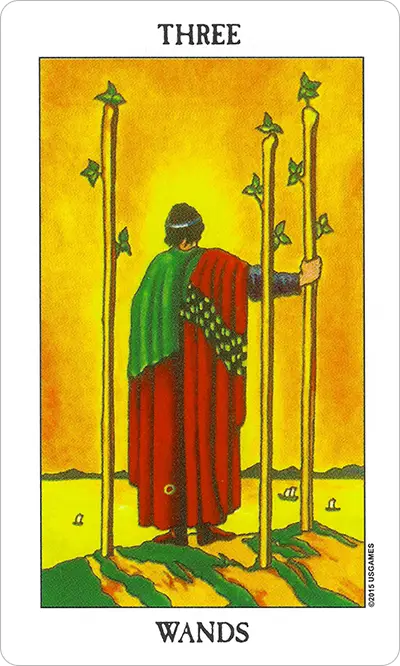
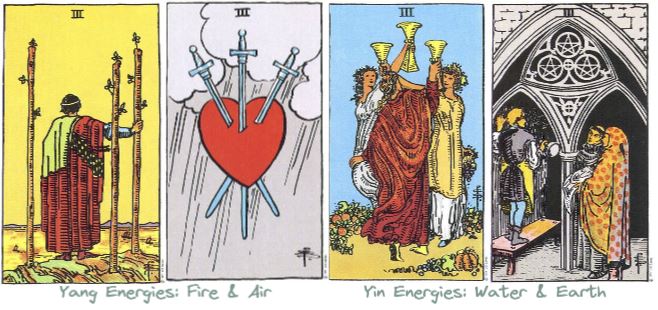
The Three of Wands is all about foresight, expansion, and the seeds of future success. Imagine standing on a cliff, looking out at the horizon with a sense of anticipation. This card suggests that your hard work is about to pay off, but it also asks you to consider: Are you ready to take the next step? It’s a card of planning, exploration, and trusting in your abilities. However, it can also hint at impatience or a fear of the unknown. The Three of Wands asks you to embrace the unknown while staying grounded in your goals.
Cups: Emotions, Relationships, and Joy
The Three of Cups is the quintessential card of celebration, friendship, and emotional fulfillment. Picture three figures dancing in a circle, toasting to life’s blessings. This card is a joyful reminder to cherish the people in your life and to celebrate your emotional wins. It can also represent a gathering, a wedding, or a moment of pure happiness. However, be mindful of overindulgence or superficiality—sometimes, the Three of Cups asks you to check in with your true feelings rather than just going through the motions of celebration.
Swords: Intellect, Conflict, and Hard Truths
The Three of Swords is often the most feared of the treble cards, as it depicts a heart pierced by three swords. This card is about heartbreak, betrayal, or a harsh realization that forces you to confront reality. It’s not all doom and gloom, though—the Three of Swords also offers a path to healing. It asks you to acknowledge your pain, process it, and then decide how to move forward. The challenge here is to avoid wallowing in negativity and instead use this card as a catalyst for growth.
Pentacles: Practicality, Growth, and Material Success
The Three of Pentacles is the builder’s card—it’s all about collaboration, craftsmanship, and laying a solid foundation for the future. Picture three figures working together on a construction project, each contributing their skills. This card is a sign that your efforts are being recognized and that teamwork will lead to success. It can also represent an apprenticeship, a business venture, or a creative project coming to fruition. The challenge of the Three of Pentacles is to stay committed to your goals and to recognize the value of patience and persistence.
Posing a Playful (or Not-So-Playful) Question
One of the most intriguing aspects of treble cards is the questions they pose—sometimes subtly, sometimes bluntly. These cards love to nudge you with inquiries that can spark self-reflection or even a little existential dread. Here are some questions a “treble” card might ask you, depending on its suit:
- Three of Wands: “Are you dreaming big enough, or are you holding yourself back out of fear?”
- Three of Cups: “Who in your life truly celebrates you, and are you celebrating them in return?”
- Three of Swords: “What truth have you been avoiding, and how can you face it with courage?”
- Three of Pentacles: “Are you putting in the work to build the life you want, or are you waiting for someone else to do it for you?”
These questions aren’t meant to guilt-trip you but to invite you into a deeper conversation with yourself. Treble cards often highlight areas where you might be stuck in a cycle of repetition, avoidance, or over-idealization. The key is to answer these questions with honesty and curiosity rather than judgment.
Introducing a Potential Challenge
While treble cards often bring positive energy, they also love to throw a curveball your way. The challenge they present usually revolves around balance—finding harmony between opposing forces or making a decision that requires you to step out of your comfort zone. Here’s how that challenge might manifest depending on the card:
- Three of Wands: The challenge is to trust the process. You’ve planted the seeds, but now you need to wait for them to grow. Impatience or second-guessing can sabotage your progress.
- Three of Cups: The challenge is to avoid superficiality. Are you surrounding yourself with people who truly uplift you, or are you just going through the motions of socializing?
- Three of Swords: The challenge is to heal without resentment. It’s easy to hold onto anger after a betrayal, but this card asks you to release it and reclaim your power.
- Three of Pentacles: The challenge is to collaborate authentically. Are you working with others out of genuine partnership, or are you just delegating tasks to avoid doing the work yourself?
These challenges aren’t meant to discourage you but to empower you. Treble cards remind you that growth often comes from discomfort, and the number three is all about finding the middle path between extremes.
Conclusion
Treble cards in tarot are like the universe’s way of saying, “Pay attention—something significant is happening here.” Whether it’s the joy of the Three of Cups, the introspection of the Three of Swords, the ambition of the Three of Wands, or the practicality of the Three of Pentacles, these cards invite you to explore the trios in your life with curiosity and openness. They pose questions that challenge you to grow, celebrate, or heal, and they remind you that balance is key.
Next time you draw a treble card, take a moment to reflect: What is this card trying to tell you? Are you being called to collaborate, celebrate, confront, or create? And most importantly, are you ready to answer the question it’s posing? The number three is a powerful teacher, and its lessons are yours to uncover.
FAQ
What do treble cards represent in tarot?
Treble cards, or cards numbered three in tarot, symbolize themes of collaboration, growth, outcomes, and challenges within the reading.
Which Major Arcana cards are associated with the number three?
The Empress (III) and The Chariot (VII) are Major Arcana cards connected to the number three, representing abundance and willpower respectively.
How do the meanings of the Three cards differ across suits?
Each suit's Three card carries unique meanings: Wands focus on ambition and foresight, Cups on celebration and emotional fulfillment, Swords on heartbreak and truth, and Pentacles on collaboration and practical growth.
What challenges do treble cards present in tarot readings?
Treble cards challenge the querent to find balance, trust the process, face truths courageously, and avoid superficiality or impatience.
Leave a Reply