Short Answer
Have you ever felt like a relationship is reaching a crossroads, where old patterns no longer serve you, and transformation is inevitable? The Death tarot card often appears as a powerful symbol of endings and new beginnings, especially in matters of the heart. In this guide, you’ll explore what the Death card signifies in relationships, how it challenges you to let go of what no longer serves you, and what fresh opportunities it may herald. Whether you’re navigating a breakup, a shift in dynamics, or a deep personal transformation, this card invites you to embrace change with courage and curiosity.
Understanding the Death Tarot Card in Relationships
The Death tarot card is often misunderstood due to its ominous name, but in reality, it represents profound transformation rather than literal demise. In the context of relationships, this card signals the end of a cycle—whether that’s a phase, a dynamic, or even a partnership. It’s a cosmic nudge to release what no longer aligns with your growth, making space for renewal. The Death card doesn’t necessarily mean the relationship is over; instead, it suggests that something within it must change to allow for evolution.
Imagine a garden where old plants need to wither to make room for new blooms. Similarly, the Death card in relationships asks you to reflect on what parts of the connection are no longer nourishing you. This could mean letting go of toxic patterns, outdated expectations, or even a person who no longer fits into your journey. The card’s energy is not about destruction but about shedding layers to reveal a stronger, more authentic version of yourself and your relationships.
The Symbolism of Death in Love and Partnerships
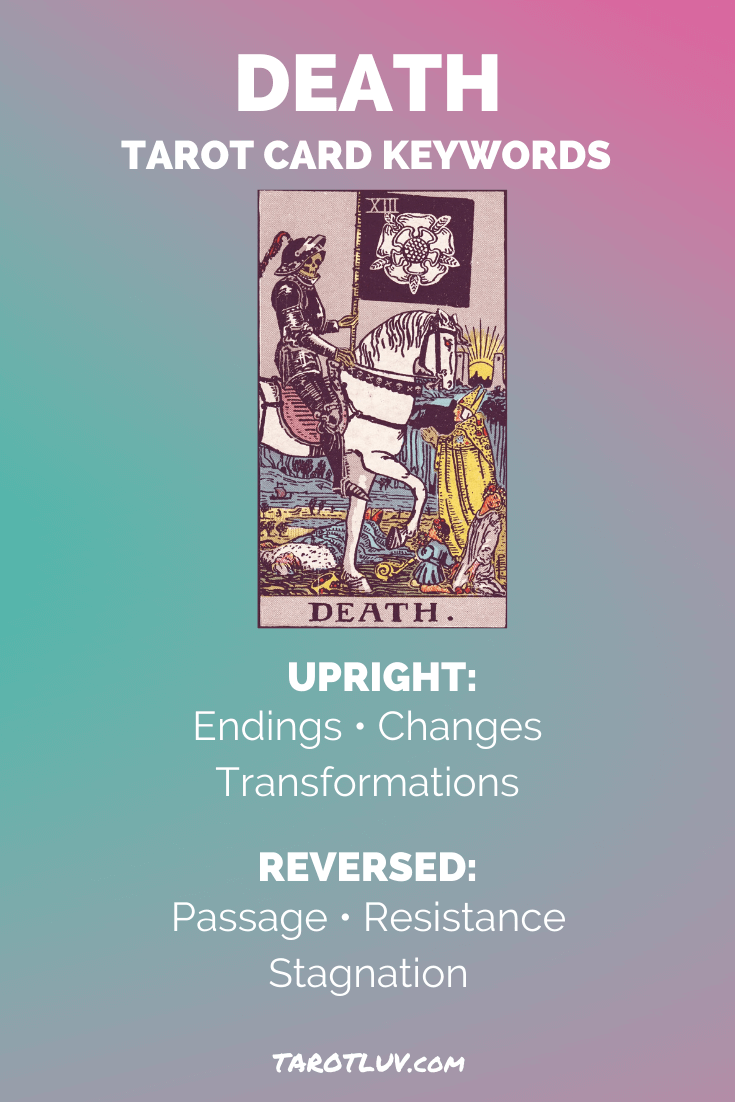
The Death card is rich with symbolism that speaks directly to the heart of relationships. In most tarot decks, you’ll see a skeletal figure riding a white horse, often holding a black flag adorned with a white rose. The white horse symbolizes purity and the transition into a new phase, while the black flag represents the unknown and the mysteries of change. The white rose on the flag is a reminder that even in endings, there is beauty and purity to be found.
In love, this imagery translates to the idea that relationships must evolve to survive. The Death card asks you to consider: Are you clinging to a version of your relationship that no longer exists? Are you resisting the natural flow of change because of fear or attachment? The card’s presence is a call to surrender to the process of transformation, trusting that what comes next will be more aligned with your highest good. It’s a reminder that love isn’t static—it’s a living, breathing entity that requires adaptation and release.
Challenges Posed by the Death Card in Relationships
While the Death card heralds positive change, it also presents challenges that can feel daunting. One of the biggest hurdles is the resistance to letting go. Humans are wired to seek comfort and familiarity, even when those things no longer serve us. The Death card forces you to confront this resistance head-on, asking you to ask yourself: What am I afraid to release? Is it fear of loneliness, failure, or the unknown? Acknowledging these fears is the first step toward embracing the transformation the card offers.
Another challenge is the potential for miscommunication or misunderstanding. When the Death card appears, it’s easy for emotions to run high, leading to conflicts or misunderstandings with your partner. They may not be on the same page about the changes happening, or they might resist the transformation altogether. This is where open and honest communication becomes crucial. The Death card challenges you to have difficult conversations, to express your needs, and to listen with empathy. It’s a test of emotional maturity and a reminder that growth often requires vulnerability.
How to Navigate the Death Card’s Energy in Your Relationship
So, how do you work with the Death card’s energy when it appears in a love reading? Start by reflecting on the areas of your relationship that feel stagnant or unfulfilling. Ask yourself what no longer resonates with you and what you’re willing to release. This could be a habit, a belief, or even a person. Write down your thoughts in a journal to gain clarity and perspective. The Death card rewards introspection, so take the time to understand what’s truly at the heart of your desire for change.
Next, communicate openly with your partner. Share your insights and feelings without blame or judgment. Frame the conversation around your personal growth and the desire to create a healthier dynamic. For example, you might say, “I’ve been feeling like we’re in different places right now, and I want to explore how we can both grow individually and together.” This approach fosters understanding and collaboration rather than conflict.
Finally, embrace the unknown with an open heart. The Death card is a harbinger of new beginnings, but those beginnings may look different than you imagined. Trust that the universe is guiding you toward what’s best for your highest good, even if the path isn’t clear yet. Practice self-care and surround yourself with supportive people who encourage your growth. Remember, the Death card isn’t about loss—it’s about liberation.
Conclusion
The Death tarot card in relationships is a powerful reminder that endings are not the enemy of love; they are the catalysts for it. When this card appears, it’s an invitation to release what no longer serves you, to communicate with honesty and vulnerability, and to trust in the transformative power of change. Whether you’re navigating a breakup, a shift in dynamics, or a personal awakening, the Death card teaches you that love is not about holding on—it’s about letting go and making space for something new.
So, the next time you draw the Death card in a love reading, ask yourself: What cycle is ending in my relationship, and what am I being called to embrace next? The answer may just be the beginning of a love story you never imagined.
FAQ
What does the Death tarot card generally symbolize in relationships?
It symbolizes transformation, the end of a cycle, and the need to release old patterns to allow for growth and new beginnings.
Does the Death card always mean the end of a relationship?
No, it often indicates that some aspect of the relationship needs to change or evolve rather than the relationship ending completely.
How can I work with the Death card’s energy in a love reading?
Reflect on what no longer serves you in the relationship, communicate openly with your partner, and embrace change with courage and openness.
What are common challenges when the Death card appears in relationships?
Resistance to letting go, fear of the unknown, and possible miscommunication or conflict with a partner during periods of change.
Leave a Reply