Short Answer
Welcome to this comprehensive guide on the Hierophant Tarot card. Whether you’re a seasoned tarot reader or a curious beginner, this article will explore the Hierophant’s symbolism, meanings, and significance in depth. You’ll learn about its upright and reversed interpretations, its role in love, career, and spirituality, and the deeper reasons behind its enduring fascination. By the end, you’ll have a clear understanding of how this card can guide your life’s journey.
The Hierophant as a Symbol of Tradition and Spiritual Guidance
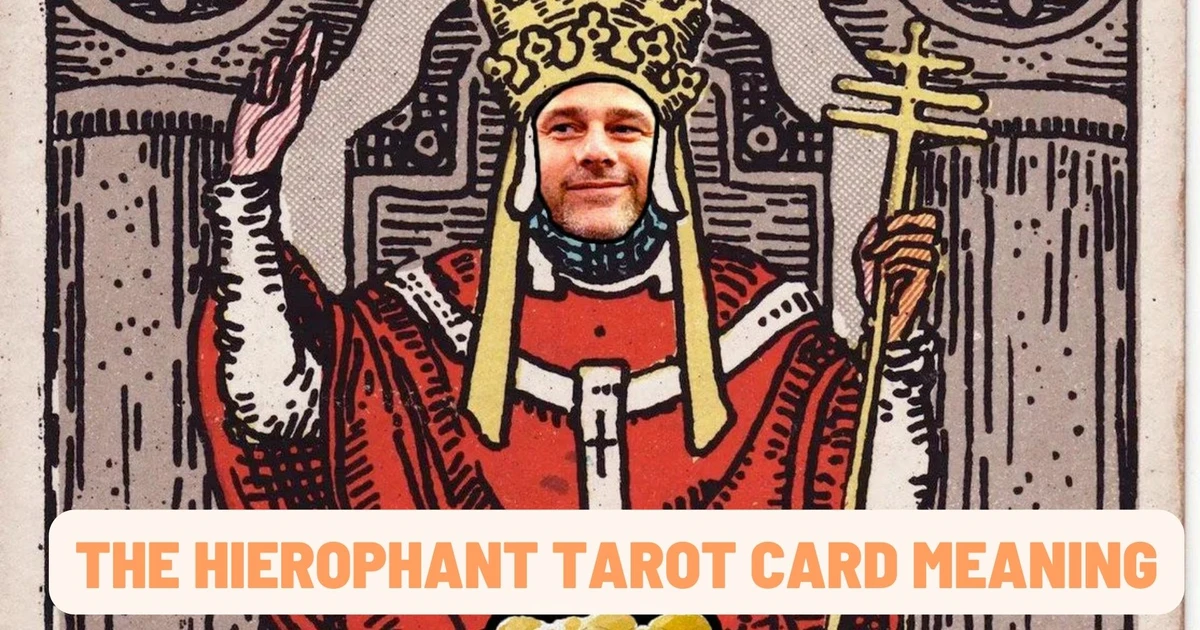
The Hierophant is the fifth card in the Major Arcana and represents tradition, spiritual wisdom, and structured belief systems. Often depicted as a religious figure seated between two pillars, he embodies the bridge between the divine and the earthly realms. The Hierophant is not just a teacher but a guardian of sacred knowledge, emphasizing the importance of following established paths to enlightenment.
In many tarot decks, the Hierophant is shown wearing papal robes and holding a triple cross, symbolizing his authority in matters of faith and morality. The two pillars behind him represent balance—often interpreted as the balance between the conscious and subconscious, or the material and spiritual worlds. This card encourages you to seek guidance from trusted sources, whether through organized religion, mentors, or time-honored traditions.
One common observation is that people often turn to the Hierophant when they feel lost or uncertain about their beliefs. The card reassures them that established systems—whether religious, philosophical, or moral—can provide stability. However, it also hints at a deeper reason for this fascination: the human need for structure in an unpredictable world. The Hierophant reminds us that while blind adherence to tradition can be limiting, thoughtful exploration of established wisdom can lead to profound personal growth.
Upright Hierophant Meaning: Seeking Wisdom and Structure
When the Hierophant appears upright in a reading, it signifies a time of seeking guidance, mentorship, or alignment with your core beliefs. This card often suggests that you are in a phase where you value tradition, routine, and established systems. It may indicate a need to reconnect with your spiritual or religious roots, or to find a teacher or mentor who can help you navigate life’s challenges.
In matters of love, the Hierophant can suggest a relationship built on shared values and mutual respect. If you’re single, it may encourage you to seek a partner who aligns with your beliefs and long-term goals. In career readings, this card often points to a structured environment where rules and traditions are important—perhaps a corporate role, a teaching position, or a job within an established institution.
One of the deeper reasons people resonate with the Hierophant’s upright meaning is its promise of security. In a world filled with uncertainty, the Hierophant offers a sense of order and predictability. It reminds us that wisdom often lies in the tried-and-true methods passed down through generations. However, it also serves as a gentle warning: while tradition is valuable, blind conformity can stifle personal growth. The key is to find a balance between honoring the past and embracing your own path.
Reversed Hierophant Meaning: Challenging Tradition and Finding Your Own Path
When the Hierophant appears reversed, it signals a rebellion against tradition, rigid belief systems, or outdated structures. This card often indicates a time when you feel constrained by societal expectations, religious dogma, or institutional rules. You may be questioning long-held beliefs or feeling disconnected from the guidance of authority figures. This reversal can be unsettling, but it also presents an opportunity to break free from limiting patterns and forge your own spiritual path.
In love readings, the reversed Hierophant may suggest a relationship that feels stifling or lacks shared values. It could also indicate a need to redefine what love means to you outside of conventional expectations. In career contexts, this card might point to a job that feels oppressive or a workplace culture that doesn’t align with your personal ethics. The reversed Hierophant encourages you to listen to your inner voice rather than blindly following external rules.
The fascination with the reversed Hierophant often stems from its rebellious energy. Many people are drawn to this card because it validates their frustration with systems that no longer serve them. It speaks to the human desire for autonomy and self-determination. However, it’s important to approach this energy with discernment—while rejecting outdated traditions can be liberating, it’s also essential to replace them with something meaningful rather than leaving a void.

The Hierophant in Love, Career, and Spirituality
Love: In love readings, the Hierophant often highlights the importance of shared values and mutual respect. If you’re in a relationship, this card suggests that your bond is built on a strong foundation of trust and tradition. It may also indicate a need to discuss long-term goals with your partner to ensure alignment. For singles, the Hierophant can signal a time to seek a partner who shares your core beliefs or to reflect on what you truly value in a relationship.
Career: In career contexts, the Hierophant points to roles that require structure, mentorship, or adherence to established systems. This could include positions in education, religion, law, or corporate environments where tradition and hierarchy are valued. If you’re seeking a job, this card may suggest that a traditional workplace or a role with clear guidelines would suit you. However, if the Hierophant appears reversed, it could indicate a need to break free from a stifling work environment or to question outdated industry practices.
Spirituality: The Hierophant is deeply connected to spirituality and the search for meaning. It encourages you to explore your beliefs through structured practices like meditation, prayer, or studying sacred texts. This card often appears when you’re seeking answers to life’s big questions or when you’re ready to deepen your spiritual practice. If the Hierophant is reversed, it may suggest a need to question dogmatic teachings or to find a spiritual path that resonates with your authentic self.
Common Misconceptions About the Hierophant
One of the most common misconceptions about the Hierophant is that it solely represents organized religion. While the card is often associated with religious figures, its meaning extends far beyond that. The Hierophant can also symbolize any structured belief system, including philosophy, education, or even personal codes of ethics. It’s about the search for meaning through tradition, not just religious dogma.
Another misconception is that the Hierophant is always about conformity. While the card does emphasize tradition, its reversed meaning highlights the importance of questioning and evolving beyond outdated systems. The Hierophant isn’t about blind obedience; it’s about finding wisdom in the past while remaining open to growth. This duality is what makes the card so intriguing and relevant to modern seekers.
People are often drawn to the Hierophant because it addresses a fundamental human need: the search for meaning. Whether through religion, philosophy, or personal reflection, the Hierophant reminds us that wisdom is often found in the collective knowledge of those who came before us. However, it also challenges us to think critically and forge our own paths when necessary.
Conclusion
The Hierophant Tarot card is a powerful symbol of tradition, spiritual guidance, and the search for meaning. Whether it appears upright or reversed, it offers valuable insights into your beliefs, relationships, and life path. By understanding its symbolism and applying its lessons, you can navigate life’s challenges with greater clarity and purpose.
Remember, the Hierophant isn’t just about following rules—it’s about finding the wisdom in tradition while remaining open to personal growth. Whether you’re seeking guidance from a mentor, questioning outdated beliefs, or exploring your spiritual path, the Hierophant serves as a reminder that true enlightenment comes from balancing structure with self-discovery.
FAQ
What does the Hierophant Tarot card symbolize?
The Hierophant symbolizes tradition, spiritual wisdom, and structured belief systems.
What is the meaning of the Hierophant when it appears upright?
When upright, the Hierophant signifies a time of seeking guidance, mentorship, and alignment with core beliefs.
What does the reversed Hierophant indicate?
The reversed Hierophant signals rebellion against tradition and encourages finding your own spiritual path.
Leave a Reply