Short Answer
This guide explores the enigmatic concepts of the “Matriarch of Blades” and “Mermaid,” unraveling their symbolic meanings and the transformative shifts in perspective they promise. By examining their cultural, mythological, and artistic representations, you’ll gain insight into how these figures challenge conventional narratives and ignite curiosity. Whether you’re drawn to their visual allure or their deeper philosophical implications, this exploration will illuminate why these archetypes resonate across time and mediums.
The Matriarch of Blades: A Symbol of Power and Duality
The Matriarch of Blades embodies a fusion of feminine authority and martial prowess, representing a paradigm shift from traditional gender roles. Unlike conventional depictions of nurturing or passive women, this figure wields weapons with mastery, symbolizing strength, strategy, and autonomy. Her presence in art and mythology often signifies a departure from passive femininity, instead portraying women as active agents of change. This archetype challenges the notion that power must be masculine-coded, instead suggesting that leadership and ferocity can coexist with femininity.
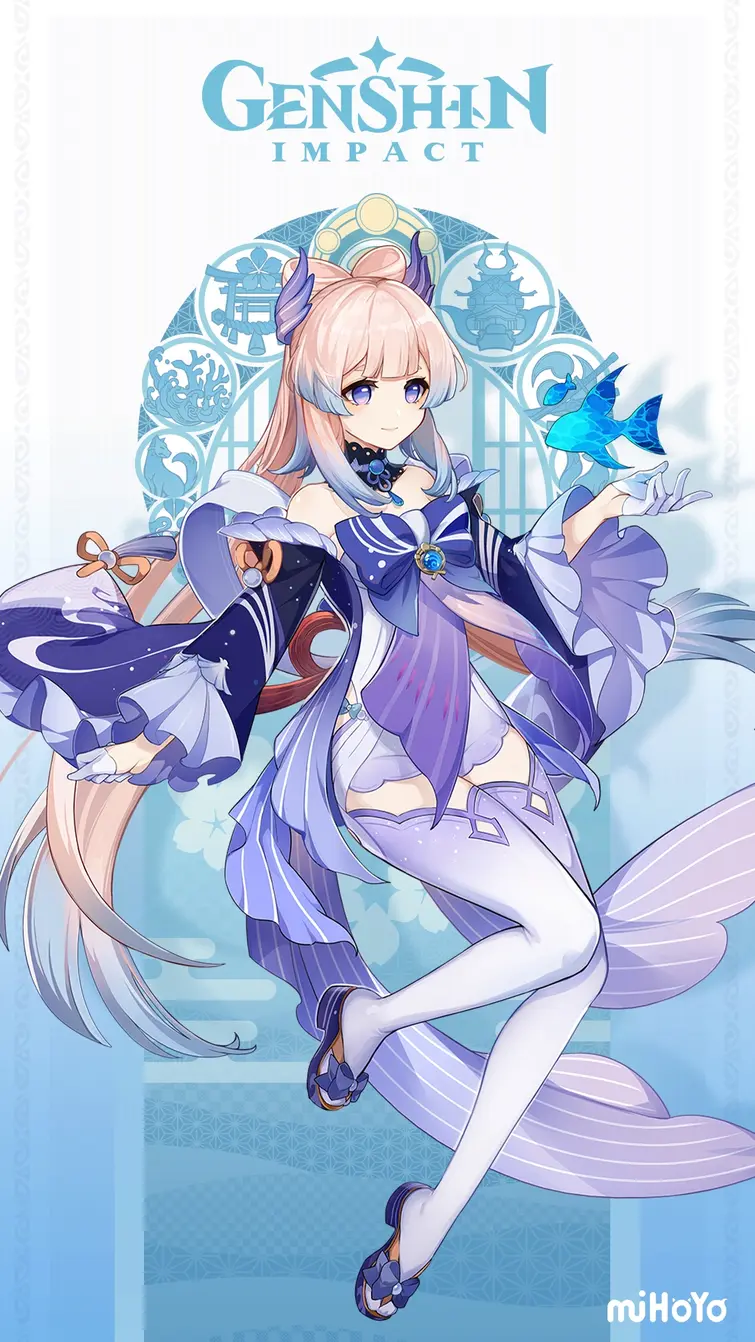
In visual art, the Matriarch of Blades is frequently depicted with intricate armor, flowing capes, or regal attire, blending elegance with lethality. Her imagery often evokes a sense of awe and tension, as she stands at the intersection of creation and destruction. This duality mirrors real-world dynamics where women navigate societal expectations while asserting their agency. The Matriarch of Blades thus becomes a metaphor for resilience, adaptability, and the reclamation of power in spaces traditionally dominated by men.

The Mermaid: From Myth to Modern Symbolism
The Mermaid, a creature of dual nature—part human, part aquatic—has long been a vessel for cultural and psychological symbolism. Traditionally, she embodies themes of temptation, mystery, and the unknown, often luring sailors to their doom in folklore. Yet, modern interpretations have reimagined her as a figure of liberation, fluidity, and connection to the natural world. This shift in perspective reflects broader societal changes in how femininity and nature are perceived, moving away from restrictive stereotypes toward empowerment and harmony.
In contemporary art and media, the Mermaid is frequently depicted as a guardian of the sea, a symbol of environmental consciousness, or a metaphor for the untamed aspects of the human psyche. Her duality—both alluring and dangerous—mirrors the complexities of identity and the fluidity of existence. The Mermaid’s ability to traverse land and water also represents adaptability, suggesting that embracing contradictions can lead to profound personal and collective growth.

The Intersection: How These Archetypes Challenge Perspectives
The convergence of the Matriarch of Blades and the Mermaid creates a compelling narrative that disrupts conventional expectations. Together, they represent a fusion of strength and fluidity, power and adaptability, tradition and rebellion. This intersection invites viewers to reconsider the boundaries between opposites—such as masculinity and femininity, control and surrender, or civilization and nature. By embodying both the blade and the sea, these figures suggest that true power lies in embracing contradictions rather than conforming to rigid dichotomies.
Artistic representations often play with this duality, using visual contrasts to evoke curiosity. For example, a warrior woman with mermaid-like features or a mermaid wielding a trident blends the two archetypes, creating a hybrid figure that defies easy categorization. This ambiguity sparks questions about identity, agency, and the fluidity of roles, encouraging viewers to explore their own perceptions of power and femininity. The result is a shift in perspective that challenges passive consumption of imagery, instead prompting active engagement with the themes presented.
The Role of Art and Media in Shaping These Symbols
Art and media play a pivotal role in redefining the Matriarch of Blades and the Mermaid, transforming them from static symbols into dynamic, evolving archetypes. Platforms like ArtStation, Danbooru, and fan wikis serve as spaces where these figures are reimagined, often pushing boundaries in representation. For instance, digital art may depict the Matriarch of Blades with cybernetic enhancements, blending futurism with ancient warrior motifs, while Mermaid illustrations might explore themes of environmentalism or queer identity.
This evolution reflects broader cultural conversations about gender, power, and nature. By presenting these figures in diverse contexts, artists invite audiences to see them not as fixed ideals but as malleable symbols that can adapt to contemporary concerns. The internet’s role in disseminating these images further amplifies their reach, allowing global audiences to engage with and reinterpret these archetypes in ways that resonate with their own experiences.
Why These Symbols Pique Curiosity and Spark Change
The allure of the Matriarch of Blades and the Mermaid lies in their ability to evoke a sense of wonder while simultaneously challenging ingrained beliefs. Their imagery is visually striking, drawing viewers in with vibrant colors, intricate details, and evocative compositions. Yet, their deeper appeal stems from their capacity to disrupt expectations. The Matriarch of Blades, for example, subverts the trope of the “damsel in distress,” while the Mermaid transcends the role of the passive temptress. Together, they create a narrative that is both familiar and fresh, inviting audiences to question the stories they’ve been told about power, gender, and identity.
This curiosity extends beyond aesthetics, fostering a desire to explore the origins and meanings behind these symbols. For some, the Matriarch of Blades represents feminist empowerment, while for others, the Mermaid embodies a connection to the natural world. The symbols’ ambiguity allows for multiple interpretations, making them relatable to diverse audiences. This multiplicity not only enriches the viewing experience but also encourages critical thinking about the narratives that shape our understanding of the world.
Conclusion
The Matriarch of Blades and the Mermaid are more than just artistic motifs; they are catalysts for reimagining power, identity, and the fluidity of existence. By embracing duality and challenging conventional roles, these archetypes offer a transformative lens through which to view the world. They remind us that strength can be gentle, leadership can be nurturing, and beauty can be fierce. As society continues to evolve, so too will the interpretations of these symbols, ensuring their relevance in sparking curiosity and driving change for generations to come.
FAQ
What does the Matriarch of Blades represent?
She represents a fusion of feminine authority and martial prowess, challenging traditional gender roles.
What is the significance of the Mermaid in modern culture?
The Mermaid symbolizes liberation, fluidity, and a connection to nature, reinterpreting her traditional role.
Leave a Reply