Short Answer
Card Overview
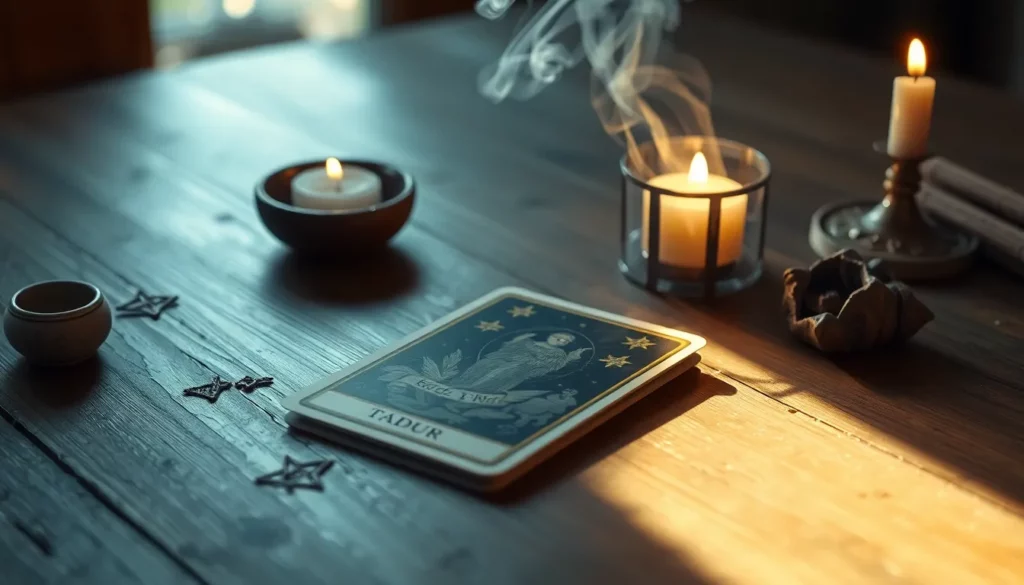
The Daily One Card Tarot Reading is a simplified approach to tarot that involves drawing a single card each day to gain insight and guidance. This method emphasizes reflection on the card’s central theme, emotional tone, and general role within the context of daily life. Typically, the card chosen serves as a focal point for contemplation, offering a concentrated message that can highlight opportunities, challenges, or lessons relevant to the day ahead. This practice supports a deeper connection with one’s intuition and the tarot system by encouraging consistent engagement without overwhelming complexity.
Upright Meaning
When a card appears upright in a Daily One Card Tarot Reading, it generally conveys a clear, positive, or active message. The upright position suggests the natural flow of the card’s energy, inviting the individual to embrace its lessons or opportunities. Depending on the card drawn, this may indicate forthcoming success, encouragement to take initiative, or affirmation of current paths. The upright interpretation often serves as guidance to act with confidence, optimism, or clarity in the situations the card reflects.
Reversed Meaning
The reversed position in a daily one card reading typically signals blocked or delayed energy associated with the card’s meaning. It can suggest internal conflicts, misunderstandings, or caution against acting impulsively. Reversed cards invite reflection on what might need adjustment or release, highlighting areas where progress is hindered or where imbalance exists. This position often encourages the reader to reconsider their approach, be patient, or acknowledge shadow aspects that require attention.
Love Meaning
In matters of love and relationships, the daily card provides insights into emotional dynamics, communication, and connection. For singles, it may suggest openness to new encounters, self-love, or healing past wounds. For those in relationships, the card can highlight areas for growth, challenges to overcome, or moments of harmony and understanding. The daily card’s influence in love readings supports emotional awareness and can guide actions toward healthier interactions and deeper bonds.
Career Meaning
Within a career context, the daily card helps illuminate professional opportunities, challenges, or decisions. It may indicate a favorable time for leadership, creative projects, or problem-solving. Alternatively, it might warn of workplace tensions or the need for strategic planning. The card’s message can assist in aligning daily efforts with long-term career goals and improving workplace relationships or productivity.
Money Meaning
Regarding finances, the daily tarot card can signal trends in income, spending, or investment decisions. It might advise caution against impulsive purchases, encourage financial discipline, or signal potential for growth and abundance. The card’s guidance can help the individual reassess their relationship with money, promoting awareness of material security and resource management throughout the day.
Spiritual Meaning
Spiritually, the daily one card reading fosters inner growth and self-awareness. It can reveal karmic lessons, encourage intuitive development, or highlight areas needing healing or reflection. The card’s spiritual message supports the reader’s connection to higher wisdom and personal transformation, encouraging mindfulness and alignment with their spiritual path.
Yes or No Meaning
When used for yes-or-no questions, the daily card’s upright position typically leans toward a “yes” or affirmative response, depending on the card’s energy. A reversed card often suggests “no,” “maybe,” or a need for further consideration. However, the answer can be conditional and context-dependent, influenced by the card’s inherent symbolism and the nature of the question asked.
Symbolism
The symbolism of the card drawn in a daily reading is crucial for interpretation. Key elements such as colors, numbers, figures, and objects depicted in the card provide layers of meaning. For example, bright colors may indicate optimism, while darker tones suggest introspection. Numerology can offer clues about cycles or stages, and specific imagery often relates to archetypal themes such as growth, conflict, or transformation. Understanding these symbols enhances intuitive reading and personal connection to the card’s message.
Card Combinations
Although the Daily One Card Tarot Reading involves a single card, its meaning can be enriched by considering its relationship to cards drawn previously or anticipated in future readings. When combined with knowledge of Major Arcana or court cards, the interpretation can deepen—Major Arcana often bring significant life themes, while court cards may point to people or personality traits. Additionally, cards from the same suit can indicate continuing themes or areas of focus. Recognizing these combinations helps clarify, strengthen, or nuance the daily card’s message.
FAQ
What is a Daily One Card Tarot Reading?
It is a tarot reading method where a single card is drawn each day to provide guidance and insight for that day.
How do I interpret reversed cards in a daily reading?
Reversed cards often indicate blocked energy, delays, or internal challenges that require reflection or a change in approach.
Can a Daily One Card Reading answer yes or no questions?
Yes, generally upright cards suggest a yes, reversed cards suggest no or maybe, but the answer depends on the card's energy and context.
Leave a Reply