Short Answer
In the realm of divination and spirituality, reversed tarot cards beckon with a certain mystique. These inversely positioned cards capture the imagination and evoke curiosity, especially among those who navigate the intersection of tarot and Christianity. What does it mean when a card appears reversed? This inquiry delves into myriad interpretations, not only rooted in the conventional meanings of tarot but also in deeper, often contrasting theological principles.
To understand the implications of reversed tarot cards from a Christian perspective, one must first grasp the fundamental construct of tarot itself. Traditionally a tool for self-reflection and guidance, tarot is not inherently malevolent; rather, it acts as a mirror, reflecting the seeker’s psyche and spiritual journeys. However, Christianity approaches the metaphysical with caution, viewing it through the lens of doctrinal teachings and divine authority.
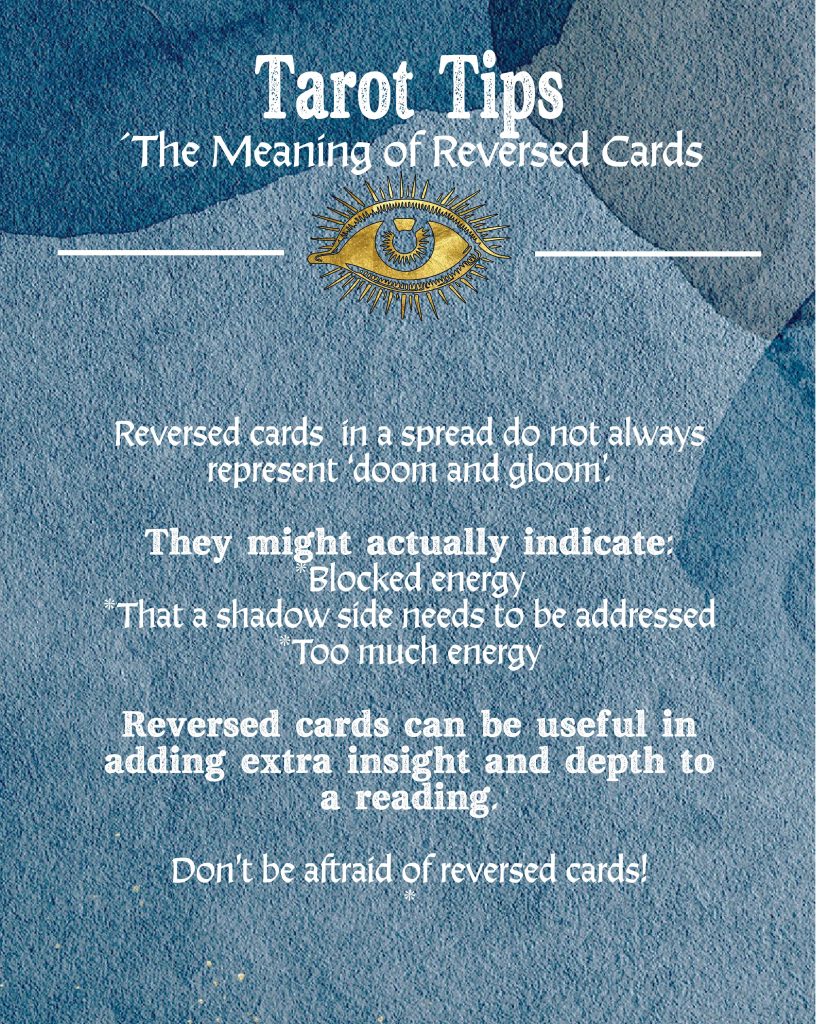
When a tarot card is drawn in reverse, it typically signifies a distorted or blocked energy related to the card’s upright meaning. This duality poses an intriguing juxtaposition for the Christian observer, who may perceive reversed cards as manifestations of inner turmoil or a deviation from the righteous path. For example, the upright ‘Lovers’ card symbolizes harmony, love, and divine connection, whereas its reversal might suggest discord, temptation, or even betrayal. Such interpretations align neatly with the biblical teachings on sin, moral integrity, and the condition of the heart.
Moreover, the notion of reversals invites contemplation on the human experience of grace and redemption. In Christianity, it is often emphasized that every individual encounters trials and tribulations. The reversal of a tarot card may serve as a reminder of one’s fallibility and the constant need for spiritual vigilance. For instance, in the case of the ‘Tower’ card, which conveys chaos and upheaval in its upright position, the reverse may indicate a period of necessary transformation or avoidance of disaster. This transformation can be likened to the Christian process of repentance, suggesting that even through turmoil, there lies an opportunity for growth and renewal.
Another aspect to reflect upon is the relationship between the seeker and the divine. Reversed tarot cards can represent a disconnect from spiritual truths or a deviation from God’s intended path. In this light, the reversal becomes a cautionary emblem—a prompt to self-examine one’s choices and motivations. The ‘Chariot,’ often reflecting triumph and willpower, when reversed, could denote a loss of direction or a struggle with one’s own personal desires versus the divine will. This correlation points to the significance of aligning with God’s purpose as per Christian doctrine.
Christianity teaches that the heart is the wellspring of life; therefore, the reversed tarot card can serve as an illustration of the condition of one’s heart. Consider the ‘Devil’ card, emblematic of temptation and bondage, in a reversed position. This could signify the fight against sin, negative influences, or the liberation from addiction. This representation finds resonance within Christian beliefs regarding spiritual warfare and the importance of seeking deliverance from the clutches of sin. The narratives of the Bible recount various struggles against temptation, reinforcing the narrative of redemption and liberation through faith.
Furthermore, it is crucial to acknowledge the intrinsic fascination humans have with the unknown, the uncanny, and the uncanny realms of existence. The appeal of reversed tarot cards lies in their ability to challenge the status quo, prompting seekers to confront discomforting truths about themselves. Christianity’s own rich tapestry of mysticism—angels, dreams, visions—converges with this interest. Each reversed card acts as an invitation to peer into the shadows of one’s soul and grapple with underlying fears and uncertainties, much like a form of spiritual introspection prescribed by biblical teachings.
Engaging with reversed tarot within a Christian framework thus encourages a nuanced dialogue between the seeker and the divine. It provokes questions such as: Are these cards guiding or leading astray? Do they reflect the spiritual battles that every believer must face in their walk of faith? While its usage is met with skepticism, it can also serve as a tool for reflection, urging individuals to delve deeper into their formative experiences and encounters with God.
As one navigates the landscape of tarot and faith, it becomes clear that reversed cards hold a dual significance. They represent both the trials of the human experience and the profound grace available to those who seek repentance and enlightenment. Each inverted card can illuminate the pathways of our struggles, invoking recognition of the dichotomy of light and shadow in the human condition.
In conclusion, the conversation surrounding reversed tarot cards invites a profound inquiry into the spiritual realm, urging practitioners to revisit the essence of their faith and the life choices they make. It fosters a richer understanding of how these cards can reflect a turbulent world while offering insights that ultimately redirect the seeker towards hope, healing, and spiritual authenticity. In the face of duality, there lies a remarkable potential for growth—one that resonates deeply within both the tarot tradition and Christian faith alike.
FAQ
What do reversed tarot cards signify?
Reversed tarot cards typically indicate distorted energies related to their upright meanings, often reflecting inner struggles or deviations from one's spiritual path.
How are reversed tarot cards viewed in Christianity?
In Christianity, reversed tarot cards can be seen as cautionary symbols that urge self-examination and reflection on one's alignment with divine intent.
Leave a Reply