Short Answer
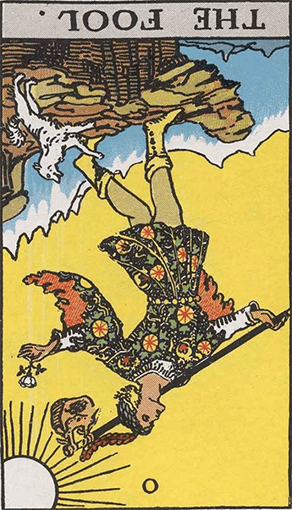
The Fool card, a prominent fixture in the Tarot deck, often represents new beginnings, spontaneity, and a leap of faith. However, when the Fool appears reversed, its meaning shifts dramatically. Viewing the Fool reversed through a Christian lens invites a rich exploration of themes such as folly, moral ambiguity, and divine guidance. This article delves into the intricacies of the Fool reversed, revealing how its implications weave through both archetypal narratives and biblical analogs.
In Christianity, there is a compelling observation regarding the concept of wisdom versus foolishness. The book of Proverbs consistently contrasts these two states, often admonishing believers to shun folly. The Fool reversed embodies this very contrast, underscoring the pitfalls of acting without foresight or divine counsel. Reversal implies not merely a misstep but a potential profundity—a call to introspection about the nature of one’s choices and their alignment with faith.
When the Fool card is inverted, it suggests an embracement of recklessness. It epitomizes the individual who strays from the righteous path, mirroring the waywardness described in Matthew 7:13-14, where Jesus speaks of the narrow way versus the broad path that leads to destruction. This connection between the Fool reversed and biblical admonitions encourages believers to scrutinize their motives and directions. In a world rife with distractions, one may find themselves unwittingly wandering down the broad path, compelled by desires that stray from Christ’s teachings.
The symbolism of the Fool reversed also highlights the potential for stagnation. This card’s appearance may reveal a reluctance to embrace change or a denial of higher callings. Scripture often implores followers to move beyond complacency; as stated in 2 Peter 3:18, “But grow in grace and knowledge of our Lord and Savior Jesus Christ.” A reversal of the Fool can signify the abandonment of this growth mindset. In moments when one clings to the familiar, even if detrimental, they risk falling into despair, a contradiction to the promise of hope offered in Christ.
Another significant layer to the Fool reversed pertains to the themes of avoidance and irresponsibility. When believers encounter the reversed Fool, it may serve as a stark reminder of the importance of accountability. Proverbs 12:15 notes, “The way of a fool is right in his own eyes, but a wise man listens to advice.” This verse encapsulates the theological discourse surrounding humility, urging individuals to seek counsel and recognize the pitfalls of hubris. The Fool reversed, in this context, serves as a cautionary tale against self-deceit and the dangers of ignoring wise counsel.
Conversely, the Fool reversed also opens discussions around the sanctity of divine intervention. When one strays from their path, the narrative of falling may often be accompanied by grace—a theme deeply embedded within Christian doctrine. For instance, the prodigal son, as narrated in Luke 15:11-32, embodies a reversal of fortune. His journey away from his father’s house mirrors the recklessness of the Fool reversed. However, his eventual return illuminates the themes of repentance and forgiveness, reminding believers that even in folly, there lies the potential for redemption.
Moreover, the dynamic between fear and faith surfaces prominently in the examination of the Fool reversed. In many respects, fear can lead to inaction—an inability to take the leap characterized by the upright Fool. In contexts where one shies away from taking chances, the Christian perspective encourages trust in the providence of God. Isaiah 41:10 reassures believers that they should not fear because God is with them, emboldening them to venture forth even when the outcome remains uncertain. The inverted Fool thus serves as a reflection of internal conflict—between the desire for certainty and the courage to embrace the unknown.
Additionally, engaging with the Fool reversed should prompt individuals to reassess their relationships—not only with others but with themselves. A confrontation with self-deception may reveal areas where authenticity has waned. In examining John 8:32, “And you will know the truth, and the truth will set you free,” it becomes palpably clear that a reckoning with one’s own contradictions is both spiritually liberating and demanding. The Fool reversed becomes a metaphor for the internal estrangement experienced when individuals refuse to acknowledge their truths. Such realizations can lead to transformation, steering one back to a place of alignment with divine will.
Ultimately, interpreting the Fool reversed through a Christian perspective encourages a multifaceted examination of one’s spiritual journey. It prompts believers to consider the ramifications of folly in their lives while simultaneously highlighting the grace available for those who seek redemption. In navigating this complex terrain, Christians can glean insights on the importance of wisdom, accountability, and the courage to embrace change, intricately weaving their narratives with the rich tapestry of faith. The Fool reversed, therefore, not only embodies the potential for folly but also serves as a profound reminder of the path back to divine alignment, urging believers to cultivate a heart of discernment.
FAQ
What does the Fool reversed mean in Tarot?
The Fool reversed indicates recklessness, a lack of accountability, and the potential for stagnation, urging introspection and alignment with divine guidance.
How can the Fool reversed relate to Christian teachings?
It reflects themes of folly versus wisdom, encouraging believers to seek counsel and recognize the importance of accountability and growth in their spiritual journeys.
Leave a Reply