Short Answer
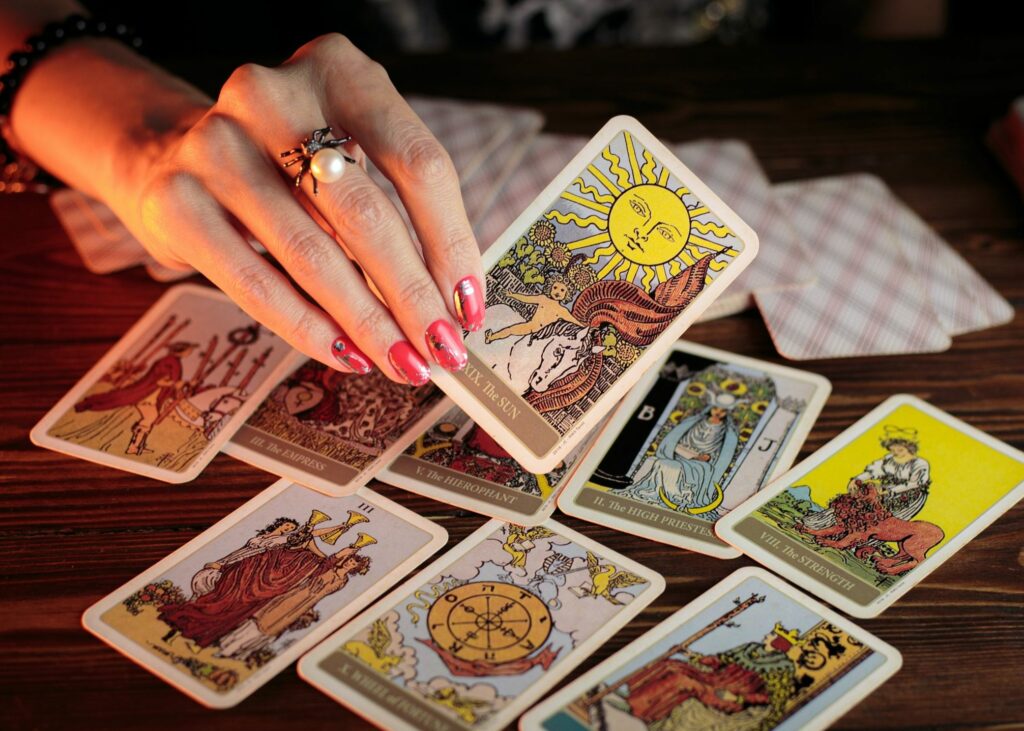
In recent years, tarot cards have transcended their mystical roots, garnering interest from diverse spiritual perspectives, including Christianity. This convergence often fuels curiosity about the compatibility between tarot symbolism and Christian doctrine. The concept of tarot card meanings has evolved, presenting an opportunity for believers to explore these cards through a lens that respects their faith. Furthermore, accessing tarot card meaning PDFs for free can facilitate a unique exploration of both personal growth and spiritual understanding, inviting a transformative shift in perspective.
Understanding tarot begins with recognizing that tarot cards are often characterized by rich imagery and intricate symbolism. Each card conveys a distinct message, depicting archetypes that resonate with various life experiences. For Christians, engaging with tarot might initially seem contradictory to their faith. However, a closer examination reveals that many of the archetypal stories represented in the tarot can be thought of as narratives that parallel biblical lessons, emphasizing moral virtues, personal trials, and divine insights.
To navigate this topic, let’s delve into the historical background of tarot cards and then explore how they can be interpreted through a Christian perspective. By understanding the origins of tarot and its potential for personal reflection, one may find a harmonious interplay between these seemingly disparate worlds.
Historical Context of Tarot Cards
Originating in the mid-15th century, tarot cards were initially utilized for playing games rather than divination. It wasn’t until the late 18th century that tarot began to be associated with mysticism and fortune-telling. This shift introduced intricate symbolism, with each suit and major arcana card embodying universal themes of existence. From the Fool’s journey representing life’s trials to the Lovers card focusing on relationships and choices, many symbols can resonate with Christian teachings.
The tarot deck is traditionally composed of 78 cards—22 major arcana and 56 minor arcana—each brimming with significance. For example, the Death card does not indicate a literal end but rather signifies transformation and rebirth—a concept echoed in Christian teachings on resurrection. Such parallels may intrigue those within the faith, prompting a deeper examination of how these cards might align with their beliefs.
The Christian Perspective on Tarot Cards
When approaching tarot from a Christian vantage point, it is essential to acknowledge the principles of discernment and introspection. The Bible encourages believers to seek wisdom and understanding, as seen in passages such as Proverbs 2:6: “For the Lord gives wisdom; from his mouth come knowledge and understanding.” By interpreting tarot cards as avenues to reflection rather than as tools for divination, Christians may reinterpret the narratives to foster spiritual growth.
For instance, the Wheel of Fortune card symbolizes cycles of life and divine timing, echoing Romans 8:28’s affirmation that “in all things God works for the good of those who love him.” This perspective allows practitioners to glean insights into their personal journeys while remaining steadfast in their faith. Engaging with these symbols through prayer or meditation can facilitate an enriching encounter with the self and God.
Benefits of Tarot for Personal Reflection
Utilizing tarot cards for personal reflection can yield a myriad of benefits. First and foremost, it offers a framework for individuals to contemplate their life’s trajectory, clarifying desires, fears, and aspirations. When grounded in a Christian context, this practice can deepen one’s relationship with God, shifting focus from mere worldly concerns to divine purpose and guidance.
Additionally, tarot encourages mindfulness. By focusing on the imagery and symbolism, individuals can practice being present in the moment—an important aspect of both spiritual and mental wellness. This practice may also foster empathy and compassion, as individuals recognize shared human experiences depicted in the cards that resonate with biblical teachings on love and community.
Accessing Free PDF Resources
For those intrigued by the prospect of exploring tarot card meanings without financial commitment, several online resources offer free downloadable PDF guides. These PDFs often contain comprehensive explanations of each card, practical interpretations, and holistic insights suitable for individuals approaching tarot from a Christian standpoint. Exploring these materials can serve as an entry point into the cosmos of tarot, instilling a sense of wonder and prompting further inquiry.
Moreover, many of these guides emphasize ethical and responsible usage of tarot—the importance of intention-setting and the necessity of aligning interpretations with one’s faith. As with any tool of introspection, the sacred ethos of one’s spiritual beliefs should guide the engagement with tarot, ensuring that it complements rather than contradicts core values.
Conclusion: A Shift in Perspective
In conclusion, the intersection of tarot card meanings and Christianity presents a captivating opportunity for reinterpretation and personal evolution. Through careful and thoughtful engagement, believers can extract valuable insights that resonate with biblical teachings and personal journeys alike. The availability of free resources in the form of tarot card meaning PDFs can facilitate this exploration, allowing individuals to navigate the profound symbolism while remaining rooted in their faith.
This synthesis encourages an open-minded approach to spirituality, fostering a sense of curiosity rather than conflict. Ultimately, embracing tarot as a tool for reflection can enrich one’s spiritual life, inviting a deeper understanding of God’s promises and the transformative journeys each person embarks upon. In doing so, a shift in perspective may indeed lead to greater clarity, wisdom, and spiritual fulfillment.
FAQ
What are tarot cards?
Tarot cards are a deck of 78 cards used for divination, self-reflection, and personal insight.
Can tarot cards be used from a Christian perspective?
Yes, tarot can be approached as a tool for personal reflection that aligns with Christian values.
Where can I find free tarot card meaning PDFs?
Several online resources offer free downloadable PDFs containing explanations and interpretations of tarot cards.
FAQ
What are tarot cards?
Tarot cards are a deck of 78 cards used for divination, self-reflection, and personal insight.
Can tarot cards be used from a Christian perspective?
Yes, tarot can be approached as a tool for personal reflection that aligns with Christian values.
Where can I find free tarot card meaning PDFs?
Several online resources offer free downloadable PDFs containing explanations and interpretations of tarot cards.
Leave a Reply