Short Answer
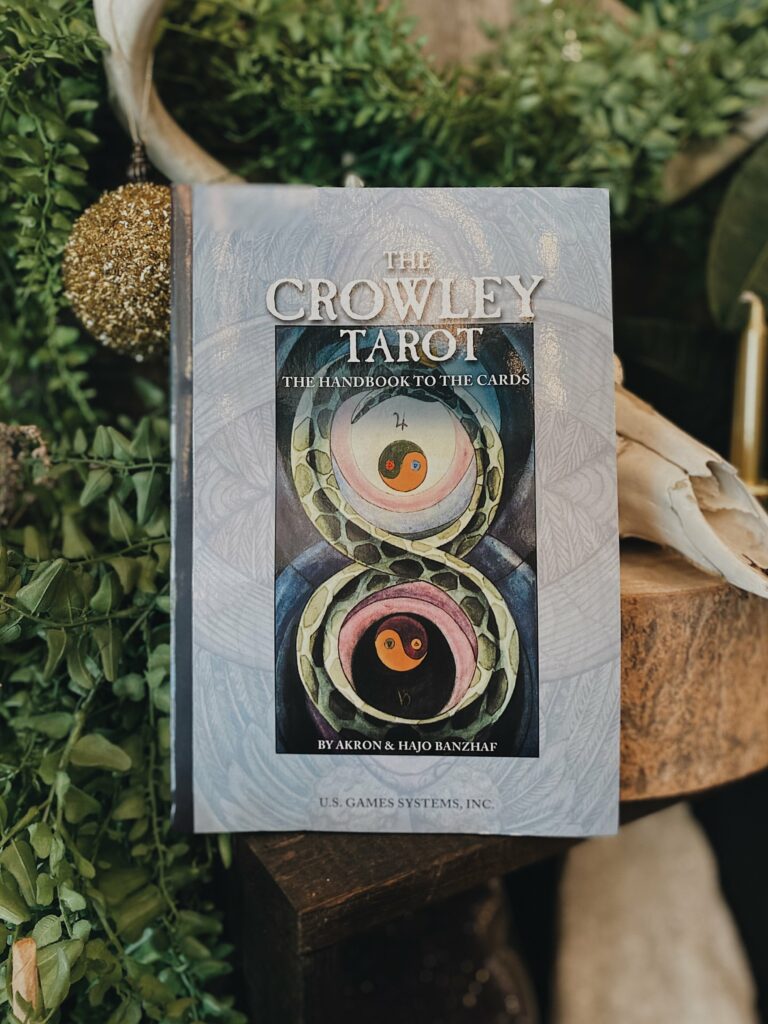
The fascination with tarot cards, particularly the Crowley Tarot Deck, often traverses beyond mere fortune-telling into realms of profound spiritual inquiry and personal transformation. Within the Christian perspective, this intrigue evokes a plethora of interpretations, challenges, and deeper analyses of both faith and life experiences. The Crowley Tarot Deck, crafted by Aleister Crowley in collaboration with artist Lady Frieda Harris, is renowned for its rich iconography and esoteric symbolism, straddling the line between mysticism and psychological exploration.
In the modern context, the utilization of tarot cards often garners skepticism from traditional Christian circles, which may view the practice as a venture into the occult or a detour from divine trust. However, there exists a nuanced perspective that bridges the gap between the archetypal narratives presented in the tarot and the moral and spiritual tenets inherent within Christianity. This compilation delves into the meanings of several cards from the Crowley Tarot Deck, reflecting on their allegorical significance from a Christian viewpoint, while addressing common observations and hinting at the underlying reasons for their enduring fascination.
The Fool: Innocence and Divine Purpose
The Fool, often characterized as a carefree wanderer on the precipice of discovery, resonates with the Christian idea of childlike innocence and faith. This card signifies new beginnings, presenting a unique opportunity to embrace the unknown with trust in divine guidance. In the Christian narrative, this notion parallels the biblical exhortation in Matthew 18:3, wherein Jesus admonishes his followers to approach Him with the simplicity and sincerity of a child. The Fool’s journey embodies the essence of spiritual adventure, inviting an exploration of one’s faith without the confines of established dogma.
The Magus (The Magician): Will and Manifestation
The Magus, or The Magician as he is commonly referred to in many decks, symbolizes the manifestation of will through integration of the spiritual and material realms. From a Christian perspective, this card can evoke reflections on the nature of creation itself. Just as God spoke the universe into existence, there exists a parallel in humanity’s creative potential. The Magician acts as a conduit of divine energy, reminding practitioners that through faith and intention, they have the capability to manifest God’s designs in the physical world. This transcendent potential ignites a spark of fascination, as many seek to comprehend and harness this divine aspect within themselves.
Justice: Moral Order and Divine Judgement
The Justice card serves as a poignant reminder of moral equilibrium and divine judgement. Within Christianity, the concept of justice is intricately woven into the scripture, epitomized by God’s unwavering righteousness and the call for humanity to act justly (Micah 6:8). The Crowley Tarot’s depiction emphasizes the significance of fairness, accountability, and ethical decision-making. The drawing of this card may evoke introspection about personal integrity and societal principles, igniting a quest for alignment with divine will. In times of moral ambiguity, the symbolism of Justice can potentially provide clarity and direction.
Death: Transformation and Resurrection
Perhaps one of the most misunderstood cards in the entire tarot lexicon, Death signifies not merely an ending but rather a profound transformation—a theme that resonates deeply within the Christian doctrine of resurrection. It implores the practitioner to confront the impermanent nature of existence while simultaneously embracing the potential for new life that rises from the ashes of the old. In a way, the Death card serves as a reminder of Christ’s sacrifice and the promise of eternal life, stimulating rich dialogue about the cycles of life, death, and rebirth. This duality speaks to the heart of human experience, captivating individuals with its deep-seated message of hope.
The Lovers: Choices and Divine Love
At first glance, The Lovers may seem a straightforward representation of romantic love and partnership. Yet, its deeper implications speak to the notion of choice, harmony, and the sacred bond of love, echoing the commitment celebrated in marital relationships. From a Christian lens, the card accentuates the importance of covenantal love and fidelity, nudging believers to reflect on their relationships as reflections of divine love. The attention to choice also compels an examination of free will—the cornerstone of Christian belief, emphasizing that true love springs from conscious, righteous decisions made within the framework of moral goodness.
The Devil: Temptation and Redemption
The Devil card invites contemplation on the themes of temptation, vice, and the complexities of human nature. In a Christian context, this card captures the perennial struggle against sin and the allure of worldly pleasures that distract from divine fulfillment. The bondage represented by The Devil is a manifestation of spiritual warfare, where individuals must confront their own demons—offering an opportunity for profound introspection and eventual redemption. It is a reminder that, through faith, there is always the possibility of liberation and grace, stirring curiosity about the transformative power of repentance.
Conclusion: A Bridge of Understanding
The Crowley Tarot Deck, with its rich tapestry of imagery and symbolism, unveils a landscape of human experience that can intertwine harmoniously with Christian values. Each card serves not only as a mirror reflecting personal journeys but also as a canvas on which the complexities of faith can be explored. The cards provoke thought and introspection, raising questions about existence, purpose, and the nature of divine interaction in our lives. In this light, the fascination with the Crowley Tarot Deck transcends the mundane practice of divination, evolving instead into a profound inquiry into the very essence of being.
FAQ
What is the Crowley Tarot Deck?
The Crowley Tarot Deck is a tarot deck created by Aleister Crowley, known for its rich symbolism and exploration of spirituality and personal transformation.
How does the Crowley Tarot relate to Christianity?
The Crowley Tarot can be interpreted through a Christian lens, where its cards symbolize themes of moral choices, divine guidance, and transformation.
Leave a Reply