Short Answer
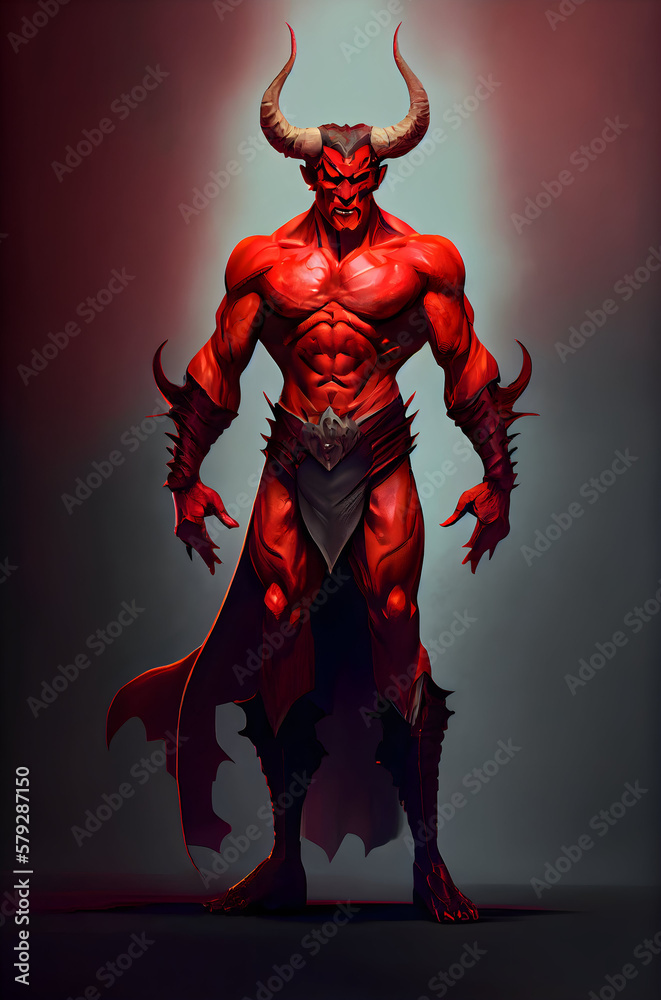
The Devil Tarot card, often depicted as a formidable figure brandishing horns and chains, embodies themes of temptation, materialism, and entrapment. Primarily perceived with a negative connotation, its intimate exploration, especially regarding love, reveals nuanced perspectives begging for attention. When it appears in a reading, particularly with romantic queries, this card consistently prompts a deeper inquiry into the complexities of desire, addiction, and the dynamics of relationships.
Understanding the Devil Tarot card’s love meaning necessitates a deep dive into its symbolism, which often extends beyond the surface. Central to its interpretation is the idea of bondage—not the kind purely associated with physical ties, but rather emotional or psychological connections that bind partners together. Are these bonds enlightening and enriching, or do they perpetuate cycles of dependency and discontent? This dichotomy invites one to analyze the nature of love itself.
The Nature of Temptation
The allure of temptation is an integral theme associated with the Devil card. In the romantic arena, this defines relationships imbued with passion yet fraught with pitfalls. Such bonds can spark exhilaration but equally risk obscuring authentic connection. When partners succumb to temptation, they often navigate between enchantment and entrapment, experiencing a scintillating blend of intense emotions that rarely yield clarity. It is the push and pull of physical attraction versus emotional fulfillment—a riddle that beckons argument.
Consider the instance where one partner exhibits obsessive tendencies or a need to control; the other may consequently feel engulfed or stifled. This scenario epitomizes the paradox of the Devil’s love meaning. The card prompts individuals to question whether they genuinely “love” the person or are simply enamored with the sentiments that arise from their presence. Love should liberate, not confine. Thus, exploring these dynamics is essential.
Consent and Agency
In romantic relationships, agency plays a pivotal role, accentuated by the Devil’s symbolic chains. Would one wish to remain in a relationship with a partner who exercises undue influence over their choices? The answer lies in the context of consent. Relationships thrive on mutual respect and understanding; the appearance of the Devil card in a love reading often serves as a clarion call to regain one’s personal power. This acknowledgment compels partners to reassess their roles and responsibilities toward one another.
In navigating the nuances of passion and consent, partners may be challenged to examine their vulnerabilities and desires. Trust and communication emerge as critical tools for unraveling the chains that bind. A simple conversation about boundaries can transform tumultuous passions into a more grounded expression of love.
The Illusion of Control
Often, individuals perceive controlling tendencies as a natural part of love—a misguided belief the Devil card pinpoints. The assertion that controlling behavior stems from love is a mirage; genuine affection flourishes in environments characterized by freedom, not constraint. The illusion of control can breed resentment and fear, eroding the foundational trust vital for a healthy relationship.
This motif of control versus freedom is integral for those grappling with infidelity or secrecy in relationships. Such escapades, while thrilling, often serve as indicators of underlying inadequacies or discontent. The Devil challenges one to confront these truths; is the thrill worth the potential fallout? Love coursework should kindle growth and honesty, not cater to hidden guilts or fears.
Dependency versus Interdependence
The presence of the Devil card also invites consideration of dependency dynamics in relationships. Are partners interdependent—relying on each other for mutual support and growth—or are they clinging to each other out of fear of loneliness? Striving for interdependence propels individuals toward healthier bonds, rooted in trust and shared aspirations. Resentment and coercion stem from the chains of dependency that the Devil card so graphically illustrates.
Embracing the energy of the Devil tarot card, it becomes pivotal to cultivate self-love and independence, even within partnerships. Individuals must recognize the importance of personal space and identity while cohabitating lifestyles with a partner. This dedication to self can warm the relationship dynamic in profound ways.
Embracing Change
Ultimately, the Devil card serves as a transformative mirror, instigating critical changes in perspective. It asks: Are you prepared to confront the shadows lurking within your relationship? Acknowledging the Devil’s influence is not merely about avoiding temptation but rather embracing the change it signifies. Might this exploration pave the way for deeper, more fulfilling relationships?
By diving into the complexities of love as illuminated by the Devil card, the conversation transforms. Partners are prompted to redefine their attachments—choosing to prioritize understanding and liberation over conformist fears. As individuals confront their innermost fears and desires, they become empowered to forge connections that honor both self and partner alike.
In conclusion, the Devil Tarot card, imbued with its intricate illustrations of bondage and temptation, symbolizes both the struggles and triumphs of romantic love. It promises a shift in perspective, inviting curiosity about our relationships and our roles within them. Each appearance of this formidable card enkindles an opportunity to delve into the depths of love, forging a path toward growth, understanding, and, ultimately, transcendent love.
FAQ
What does the Devil Tarot card mean in a love reading?
The Devil Tarot card in love readings highlights themes of temptation, emotional bondage, control, and unhealthy attachments, urging individuals to examine the nature of their relationships and seek freedom and mutual respect.
Does the Devil card always indicate a negative love relationship?
Not necessarily; while often associated with challenges such as addiction or control, the Devil card also invites reflection and transformation, encouraging partners to address underlying issues for healthier bonds.
How can the Devil card influence decisions in romantic relationships?
It prompts self-awareness about consent, agency, and dependency, motivating individuals to reclaim personal power and foster relationships based on trust and balanced interdependence.
Is the Devil Tarot card related to physical or emotional bondage in love?
Primarily emotional or psychological bondage, symbolizing patterns that restrict freedom and growth within relationships rather than physical ties alone.
Leave a Reply