Short Answer
The Devil tarot card often evokes a visceral reaction among those who encounter it, yet its implications in the realm of love are multifaceted and intricate. Far from merely a symbol of doom and desolation, the Devil serves as an invitation to explore the depths of one’s desires, fears, and the underlying motivations that govern romantic interactions. Let us delve into the Devil tarot card meaning in the context of love, promising a shift in perspective and stimulating curiosity about the complex dynamics it signifies.
Understanding the Devil Tarot Card
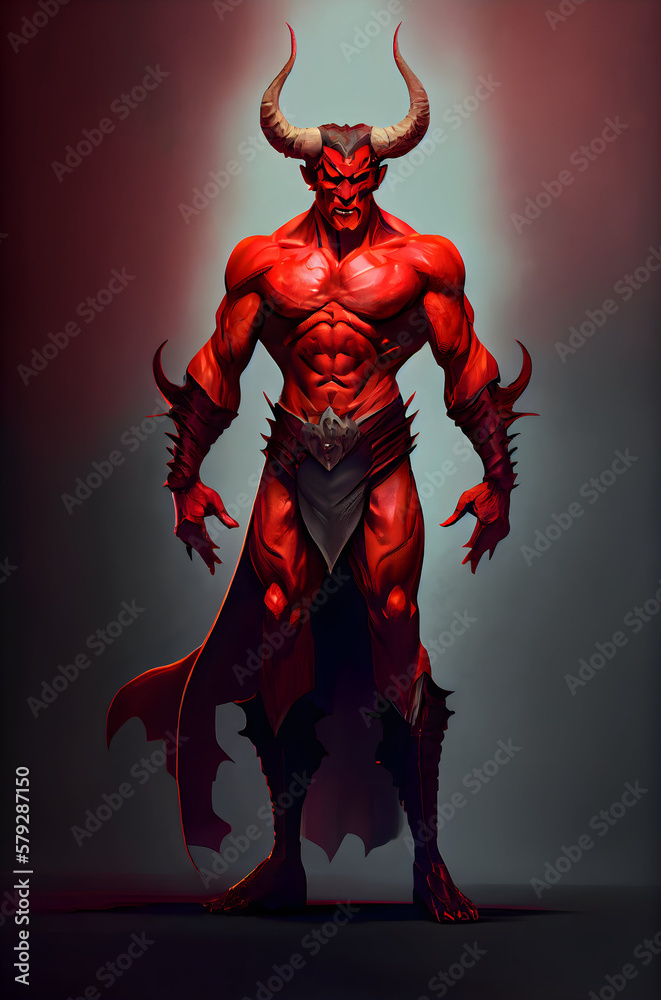
Visualized through striking imagery, the Devil card typically portrays a figure embodying temptation and materialism, often depicted alongside chains binding two figures. This imagery speaks volumes in the context of relationships. At first glance, it appears to indicate bondage or restriction, but the key is recognizing that these chains are self-imposed. The Devil compels an exploration of what keeps people tethered to unhealthy relationships, enabling a deeper comprehension of both individual and shared vulnerabilities.
Reevaluating Desire: Beyond Surface Attractions
In love, the Devil card accentuates the primal desires that can drive romantic partnerships. Such desires are not always negative; they can signify a passionate connection or an intoxicating attraction. However, one must ask: are these feelings rooted in genuine love or merely superficial lust? The Devil challenges individuals to confront their underlying motivations. It encourages a reassessment of what they truly seek in a partner. Are they craving validation or seeking companionship out of fear of loneliness? The card’s presence may indicate the need for honest self-reflection to unveil hidden truths.
Embracing Shadows: The Role of Fear and Vulnerability
The card’s alignment with fear illustrates how it can illuminate the darker side of love. Fear of rejection, abandonment, or inadequacy often lurks beneath the surface, influencing behaviors in relationships. The Devil card invites individuals to confront these shadows rather than repress them. Embracing vulnerability can ultimately lead to profound growth. When partners understand their fears and share them openly, they can foster deeper intimacy, transforming their bond into a resilient partnership fortified against external challenges.
Materialism vs. Spirituality: The Balancing Act
Another significant theme entailed in the Devil card is the juxtaposition between materialism and spirituality. In matters of love, this can manifest as an exploration of what truly brings happiness. Is the allure of a partner based on external attractions such as wealth, status, or physical appearances? Or is there a deeper connection that transcends materialistic values? This exploration can pivot one’s perspective, prompting a journey towards finding substance over superficial allure, leading to more fulfilling romantic experiences.
Codependency: The Double-Edged Sword
The Devil card also embodies the concept of codependency. This dynamic can often masquerade as love but carries the potential for toxicity. Individuals may become ensnared in a relationship that fuels their insecurities while stifling their personal growth. Recognizing codependent patterns is a focal point sparked by the Devil’s energy. It necessitates not only self-awareness but also the courage to break free from these cyclical behaviors that hinder growth in love and self-esteem. The desire to heal and nurture independence can create transformative changes in one’s romantic landscape.
Transformation Through Desire: Harnessing the Devil’s Power
The presence of the Devil encourages an illuminating discourse on the nature of desire itself. While desire can lead to tumult and chaos, it can also birth transformation. The card beckons one to harness these inflamed passions and redefine them. Are these yearnings channeling into the relationship’s vibrancy, or are they causing discord? Recognizing the potential for transformation through desire enables partners to reignite the flame of intimacy. Such awareness can morph a tumultuous relationship into one that thrives on mutual respect and understanding.
Fostering Healthy Boundaries: The Art of Liberation
Another aspect where the Devil card resonates is the establishment of healthy boundaries. By exposing unhealthy patterns, the card encourages individuals to delineate what is acceptable in love. It educates partners to assert their needs and limitations, liberating them from the chains of over-dependence or destructive cycles. Understanding one’s worth facilitates stronger, more equitable relationships, paving the path for deeper connections where both people flourish independently and together.
Shifting Perspectives: From Fear to Empowerment
In conclusion, while the Devil tarot card may initially prompt feelings of apprehension, it holds a transformative power when applied thoughtfully to the domain of love. By challenging individuals to confront fears, desires, and codependencies, this card acts as a catalyst for self-discovery and profound relational advancements. Embracing the nuances of the Devil encourages a paradigm shift where one moves from fear-based perspectives to empowered stances rooted in authenticity. The resulting journey offers the promise of a deeper understanding of oneself and a more enriched experience of love.
In scrutinizing the shadows within, one can illuminate the path toward a vibrant, fulfilling love life, proving that the essence of the Devil, far from being solely ominous, is a dynamic force inspiring growth, empowerment, and genuine connection.
FAQ
What does the Devil tarot card mean in love?
The Devil tarot card in love represents the exploration of desires, fears, and codependency, prompting individuals to confront their motivations and establish healthy boundaries.
How can the Devil card influence relationships?
The Devil card encourages self-reflection and honesty, revealing underlying issues that may hinder personal growth and intimacy in relationships.

Leave a Reply