Short Answer
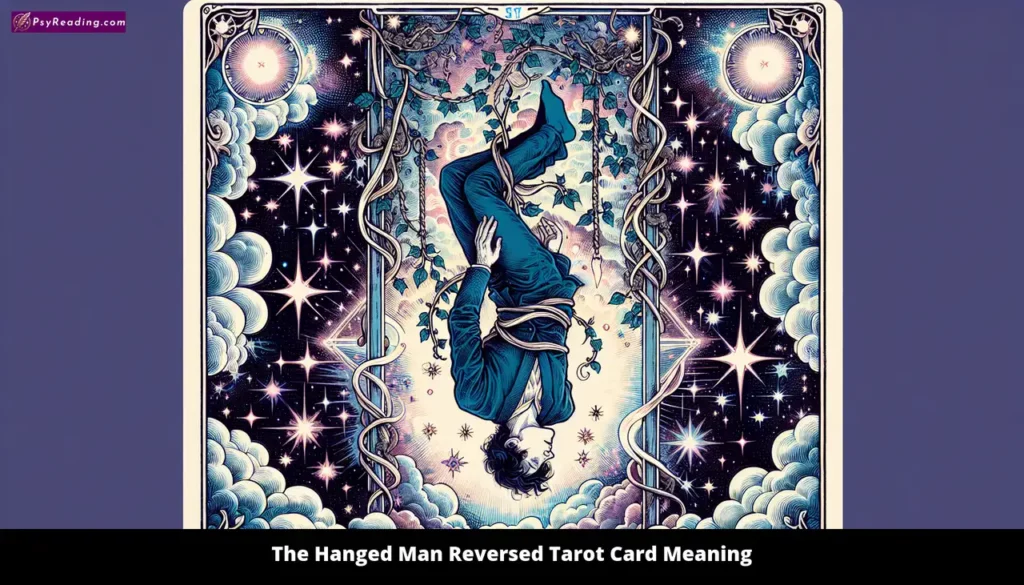
The Hanged Man Tarot card, when upright, typically embodies themes of sacrifice, suspension, and a shift in perspective. When appearing in its reversed position, however, the interpretation takes on a nuanced and complex character. The reversal signifies a distinctive phase in one’s journey—marked by discontent, indecision, and the potential for transformative epiphanies. Let us delve deeper into the multifaceted meanings of this intriguing card and explore the myriad implications it can have on an individual’s life.
To fully grasp the essence of the Hanged Man reversed, it’s crucial to explore its key themes. The first significant element is the notion of stagnation. Unlike its upright counterpart, which signifies a voluntary pause to gain insight, the reversed Hanged Man embodies an involuntary standstill, where unresolved issues or stubbornness may be hindering forward momentum. This card manifests as a call to action, urging individuals to recognize their own complicity in prolonging a state of inertia.
A second prominent theme is the challenge of relinquishing control. The Hanged Man reversed reflects an unwillingness to submit to the natural course of events. It can suggest that an individual is clinging to outdated beliefs or resistance to change, often out of fear of the unknown. The act of letting go can be daunting, yet it often leads to invaluable personal growth and clarity. The process of acknowledging this resistance can pave the way for profound transformations.
Moreover, the reversed card evokes a sense of unsatisfactory results stemming from misguided priorities. Individuals may find themselves in a labyrinth of self-sacrifice, giving too much to others while neglecting their own needs. This card serves as a gentle reminder that excessive selflessness can lead to burnout and resentment, further complicating relationships and diminishing personal fulfillment. It encourages self-reflection and the re-evaluation of one’s commitments.
Beyond these challenges lies the promise of enlightenment and the opportunity for a transformative shift in perspective. While the process may initially seem daunting, the Hanged Man reversed ultimately seeks to illuminate a path through discomfort. By embracing the underlying lessons inherent in this card, individuals may be coaxed to confront their fears and to reclaim their narrative. It is imperative to recognize that growth often stems from the ashes of adversity.
As one navigates the implications of the Hanged Man reversed, it’s essential to engage in introspection. Consider the areas in life where stagnation has taken root. Are there relationships, career paths, or personal ambitions that have been deprived of attention and progression? Identifying these realms allows for clearer introspection and more informed decision-making. The card prompts individuals to question the status quo and to seek new pathways that align with their authentic selves.
Curiosity becomes a potential catalyst for revelation as well. The Hanged Man reversed invites individuals to embrace a mindset that fosters exploration. It nudges them out of complacency, beckoning them to seek unconventional solutions and adventurous routes. By shifting their lens from the familiar to the uncharted, individuals may discover innovative ideas that had previously eluded them. This premise asserts that sometimes it is through discomfort that the greatest ventures sprout forth.
In relationships, the Hanged Man reversed can illuminate the necessity to communicate openly and reevaluate one’s role within those dynamics. It encourages individuals to confront areas of imbalance and encourages dialogues about expectations, boundaries, and mutual fulfillment. Misunderstandings can fester if individuals refrain from expressing their needs, thus cultivating an environment of resentment rather than understanding.
Moreover, within the sphere of career and personal achievement, this card challenges individuals to consider their professional trajectory. Are they pursuing a path that resonates with their passions, or are they merely operating on autopilot, ensnared by the weight of responsibility? Identifying dissatisfaction and acknowledging the need for change can lead to newfound ambitions and aspirations, invigorating one’s professional landscape.
On a psychological level, the Hanged Man reversed beckons individuals to confront their inner dialogues and narratives. This card embodies the conflict between self-doubt and potential. It may suggest the need to break through mental barriers that have held them captive for too long. The invitation to reevaluate thought patterns is an essential dimension of this card, allowing those who encounter it to transform confusion into clarity.
As one embraces the teachings of the Hanged Man reversed, the potential for renewal becomes palpable. The toll that stagnation takes on the spirit can catalyze an awakening, fostering resilience and a newfound sense of purpose. The card compels individuals to venture beyond their comfort zones and cultivate a better understanding of themselves—a poignant reminder that transformation is often born from grappling with uncertainty and doubt.
In conclusion, the Hanged Man reversed is a compelling symbol of both challenge and opportunity. It invites a reassessment of priorities, encourages open communication in relationships, and prompts a quest for self-discovery amid adversity. Though the initial discomfort may seem overwhelming, the rewards of transformation often far outweigh the struggles. Ultimately, embracing the lessons this card offers can lead to remarkable growth, inspiring a journey of reinvention.
FAQ
What does the Hanged Man Tarot card reversed mean?
The Hanged Man reversed indicates stagnation, control issues, and challenges in personal growth.
How can the Hanged Man reversed affect relationships?
It encourages open communication and reevaluation of roles within relationships.
What should I do if I draw the Hanged Man reversed?
Engage in introspection and identify areas of your life where you may feel stuck or resistant to change.
Leave a Reply