Short Answer
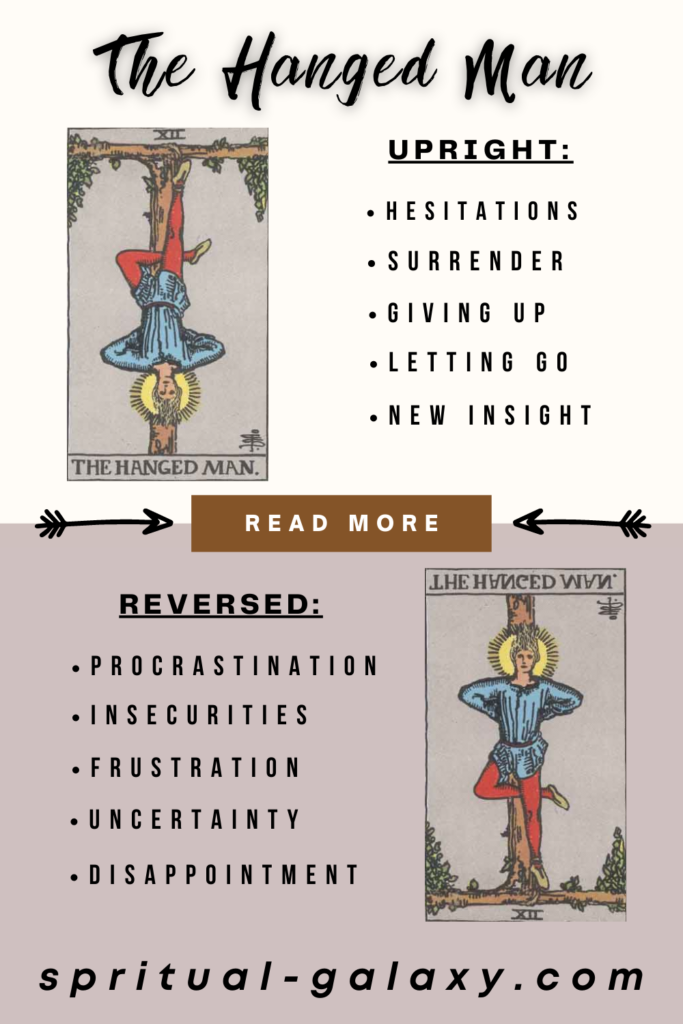
The Hanged Man tarot card, depicted as a figure suspended upside down, embodies a rich tapestry of meanings and interpretations. This card, steeped in profound symbolism, invites reflection and contemplation. When drawn upright, it signifies a multitude of dimensions, urging the seeker to examine their circumstances from a different vantage point. It is an invitation to transcend the mundane and delve into the essence of sacrifice, surrender, and transformation.
At its core, the Hanged Man represents a state of suspension, a thrilling liminality where old paradigms dissolve and new ones begin to take shape. This position is not one of helplessness but rather a conscious choice to pause and reassess one’s journey. In the hustle of modern existence, where the din of constant movement often drowns deliberation, the Hanged Man urges us to embrace stillness for introspection and insight. It champions the idea that sometimes, progress necessitates retreat. The paradox lies in the understanding that letting go can lead to greater clarity and progression.
One of the hallmark interpretations associated with the Hanged Man upright is the theme of self-sacrifice. The figure hanging by one foot embodies the essence of relinquishing something valuable for the sake of a greater cause or the pursuit of wisdom. This sacrifice may manifest in many forms—relationships, ambitions, or lifelong beliefs. It poses the question: What are you willing to give up to gain deeper insight? The card encourages the individual to weigh their options thoughtfully, suggesting that the path to enlightenment often entails hardship and relinquishment.
Moreover, the Hanged Man is symbolic of surrender to the flow of life. This act of surrender is not passive. Instead, it is an affirmative embrace of one’s circumstances, relinquishing the impulse to control or dictate outcomes. When faced with obstacles, the Hanged Man encourages adopting a mindset of acceptance and fluidity, urging individuals to trust the universe. In this light, it serves as a reminder that resistance often leads to struggle, but yielding can result in resilience and growth.
The card also highlights the importance of gaining a new perspective. The world may appear upside down, but therein lies the opportunity for revelation. What was once seen as an insurmountable challenge may transform into an avenue for innovation. This fresh perspective often requires a reevaluation of traditional beliefs and an openness to new possibilities. When staring adversity in the face, the Hanged Man inspires confidence that a shift in viewpoint can illuminate paths previously obscured.
Another facet of the Hanged Man’s upright position is the concept of reflection. This card underscores the significance of introspection and self-awareness. It symbolizes the capacity to look inward, prompting an individual to scrutinize their motivations, fears, and desires. Such deep reflection can cultivate a profound understanding of one’s self and capacity for growth. It invites questions that resonate on a deeper, spiritual level: What do you truly seek? Are your choices aligned with your true self?
Furthermore, this card can signify the necessity of patience—a virtue often overlooked in a fast-paced world. The Hanged Man teaches that waiting can be an active and transformative process. It is a reminder that some journeys require us to remain suspended in time, allowing events to unfold organically. These moments of anticipation can be rich with potential, offering the chance to explore new approaches and cultivate resilience.
In relationships, the Hanged Man upright speaks volumes about emotional dynamics and the need for compromise. It may indicate that one partner must let go of control or ego-driven desires to foster harmony. This notion applies not only to romantic partnerships but also to friendships and familial bonds. Surrendering to the demands of interpersonal connectivity fosters understanding and can lead to profound relational transformations. Relationships thrive when both parties are willing to adapt and reconsider their positions, nurturing a sense of shared growth.
From a spiritual perspective, the Hanged Man is a bridge to enlightenment. The imagery of the card, often accompanied by a halo, suggests spiritual awakening and the pursuit of higher states of consciousness. It implores the seeker to look beyond the material realm, hinting at the profound interconnectedness of existence. This transcendent exploration does not merely entail philosophical musings but requires active engagement with one’s spirit and intuition.
In conclusion, the Hanged Man upright is a multifaceted tarot card, rich with layers of meaning. As an emblem of sacrifice, surrender, and the pursuit of perspective, it traverses the realms of personal growth, relationships, and spirituality. This card serves as a poignant reminder that stillness and introspection can yield profound insights and foster transformative change. Embracing the lessons encapsulated within the Hanged Man invites a cultivated understanding of life’s intricate tapestry—a dance between patience and action, yielding and striving, surrender and enlightenment.
FAQ
What does the Hanged Man upright mean?
The Hanged Man upright signifies a time for pause, reflection, and gaining new perspectives through surrender and sacrifice.
How can the Hanged Man influence relationships?
In relationships, the Hanged Man encourages compromise and emotional dynamics, suggesting that letting go of control can lead to harmony.
Leave a Reply