Short Answer
The Hanged Man, a captivating card from the Tarot deck, is a powerful symbol of transformation, contemplation, and perspective shifts. Rich in meaning, it evokes a profound journey into the realms of sacrifice and enlightenment. This article delves into the intricate layers of the Hanged Man, illuminating its various interpretations, implications in readings, and its significance in both upright and reversed positions.
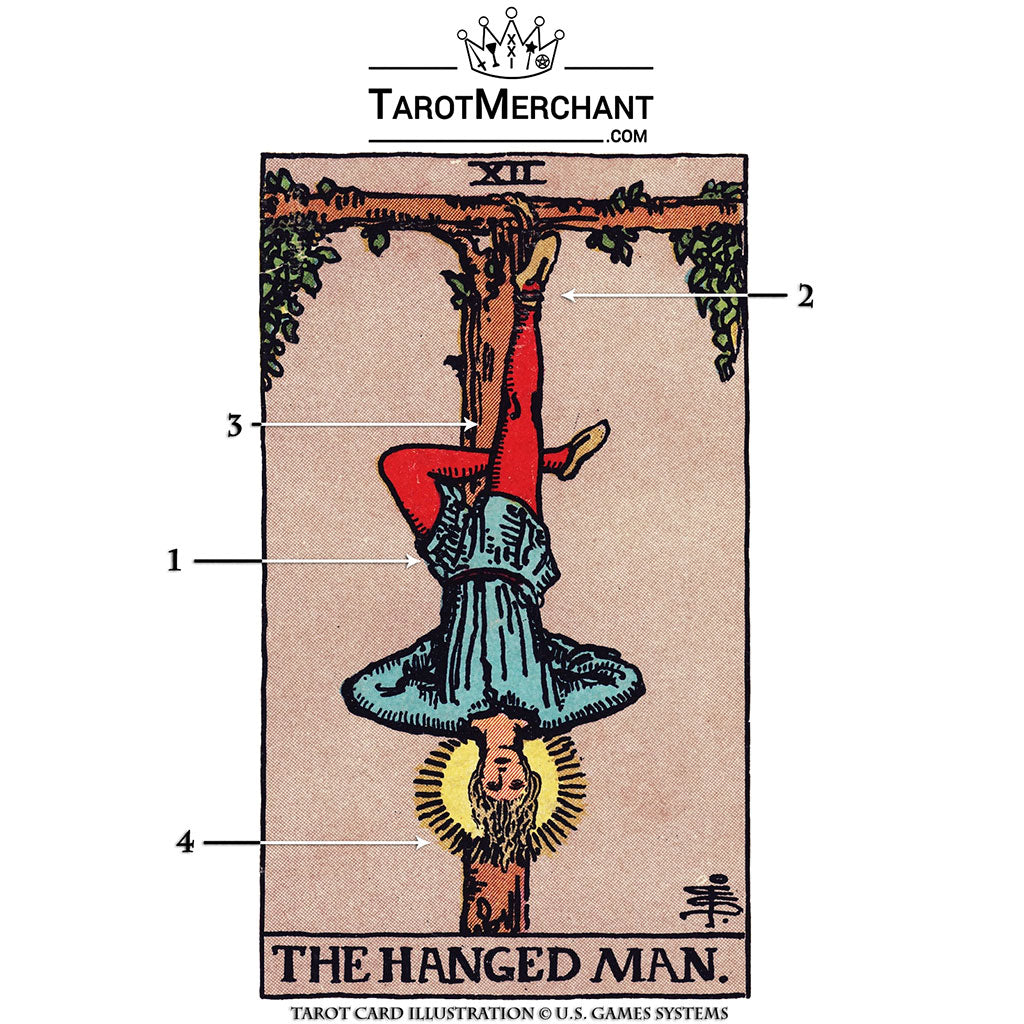
Historically, the Hanged Man is depicted as a figure suspended upside-down, often from one leg, with a serene expression adorning his face. This imagery is emblematic of the card’s core themes: surrender, letting go, and relinquishing control. The act of hanging is not one of punishment but rather a conscious choice to perceive the world from an alternate vantage point. Thus, the first tenant of the Hanged Man’s interpretation revolves around the notion of sacrifice. It encourages individuals to release something of value for a broader understanding and personal growth.
Furthermore, the Hanged Man embodies the importance of pause and reflection. In a fast-paced world, many people overlook the necessity of stepping back to reevaluate their circumstances. The Hanged Man invites introspection, urging individuals to assess their life situations thoughtfully. This card serves as a gentle reminder that progress is not always about forward motion; sometimes, true advancement comes from moments of stillness. In a reading, the presence of the Hanged Man can signify that now is the time to contemplate, to initiate a period of rest, or to consider alternate perspectives.

When the Hanged Man appears upright in a spread, it carries positive connotations. This position signifies a willingness to embrace the unknown and to surrender one’s desires for a greater good. The vibrant energy of this card urges individuals to take a step back from the chaos of their lives and to explore the deeper meanings behind their struggles. This embrace of uncertainty can often lead to enlightened thinking, new insights, and breakthroughs in understanding.
Conversely, when the Hanged Man appears reversed, its interpretations become more complex. The reversed position may indicate feelings of frustration, stagnation, or the unwillingness to change. It can signify a clash between the desire for control and the need to relinquish, leading to inner turmoil. Sometimes, it suggests that an individual is resistant to letting go of certain beliefs or situations. In this state, the Hanged Man serves as a catalyst, prompting questions about what is holding one back from progress. It may indicate that it is time to confront fears or to acknowledge that change is essential, albeit uncomfortable.
Moreover, the Hanged Man resonates strongly with the theme of enlightenment. In many mystical traditions, the act of surrendering one’s ego is a crucial step toward achieving higher consciousness. As the Hanged Man undergoes his transition, he experiences a transformation that transcends ordinary perceptions. For those seeking spiritual growth, this card is a potent omen. It often calls attention to the necessity of letting go of preconceived notions and embracing the unknown. This quest for truth can lead to profound self-realization and deep inner peace.
The Hanged Man also plays a crucial role in the realm of relationships. It emphasizes the importance of communication, understanding, and patience. When navigating interpersonal dynamics, this card suggests that viewing situations from another’s perspective can lead to more profound emotional connections. The act of suspension, as depicted in the card, encourages one to engage in empathetic dialogue, fostering compassion and harmony. In romantic readings, the Hanged Man could imply that a period of reflection may benefit the relationship or highlight the need for one partner to reconsider their position.
In professional contexts, the Hanged Man invites rethinking of strategies and objectives. It serves as a reminder that sometimes, stepping back can lead to innovative solutions. Whether in personal endeavors or collaborative projects, letting go of rigid plans can open new doors. This card can indicate a transformative moment in one’s career, where fresh ideas emerge from a space of stillness and contemplation.
Furthermore, the artistic representations of the Hanged Man can vary, each adding another layer of interpretation. Some illustrations showcase celestial elements or additional symbols, enhancing the card’s complexity. Interpretations may draw on the surrounding cards in a spread, as context plays a pivotal role in understanding its full significance. Whether the focus of a reading is on spiritual growth, personal challenges, or external events, these variations invite deeper inquiry and exploration.
Finally, understanding the Hanged Man in Tarot is a journey in itself. It encourages learners to embrace the ambiguity and to engage with their intuition. Each encounter with this card may yield varying insights as one evolves and progresses along their path. The meanings within the Hanged Man expand and shift, circling back to themes of surrender, acceptance, and the profound journey into self-knowledge.
In conclusion, the Hanged Man is not merely a dormant figure in suspension but rather a dynamic card that embodies a philosophy of transformation through letting go and shifting perspectives. It beckons individuals toward introspection, urging the embrace of stillness as a pathway to enlightenment. Whether upright or reversed, the Hanged Man illuminates the multifaceted journey of the self, encouraging a deeper understanding of life’s intricate tapestry.
FAQ
What does the Hanged Man card mean in Tarot?
The Hanged Man symbolizes transformation and the need for a fresh perspective, often relating to themes of sacrifice and introspection.
How should the Hanged Man be interpreted when reversed?
When reversed, the Hanged Man may indicate frustration, stagnation, or resistance to change, highlighting the internal conflict between the desire for control and the need to let go.
Leave a Reply