Short Answer
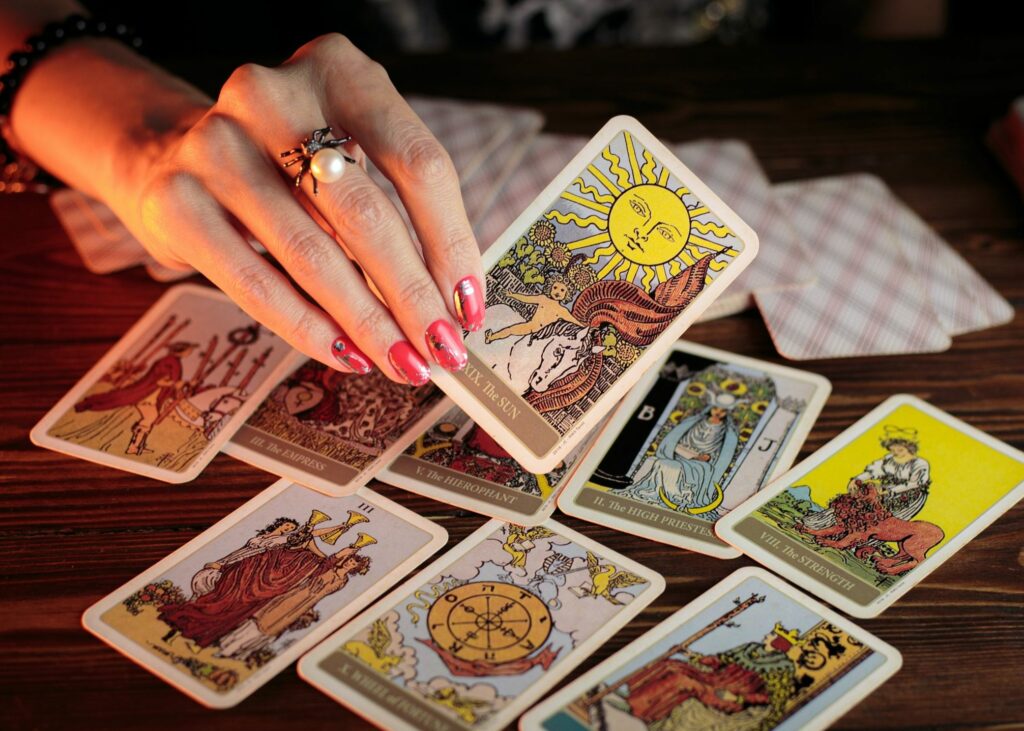
In the kaleidoscopic world of Tarot, each card unfurls narratives rich with symbolism and profound insights. The imagery captured on these cards serves as a portal into the psyche, inviting introspection and reflection. The enigmatic allure of Tarot cards lies not only in their aesthetic appeal but also in the layered meanings they embody, often revealing hidden facets of the human experience. This exploration delves into the intricacies of these images, illustrating how they correspond to the archetypal meanings that weave through our lives.
Tarot decks are typically composed of 78 cards, divided into the Major Arcana and Minor Arcana. The Major Arcana, comprising 22 cards, signifies pivotal life moments and spiritual lessons. In contrast, the 56 cards of the Minor Arcana are associated with daily experiences and challenges. Together, they create a tapestry of diverse human conditions, emotions, and aspirations.
Consider the Fool, the first card in the Major Arcana, often depicted as a youthful figure standing at the precipice of a cliff, accompanied by a small dog. This image evokes a spirit of adventure and spontaneity. The Fool symbolically represents new beginnings and the audacity to embrace the unknown. It encourages individuals to embark on their journeys with an open heart and mind. The cliff illustrates the brink of opportunity; to leap into the void is both a risk and a potential gift of self-discovery.
Moving to The Magician, the imagery becomes more dynamic. Here, a figure stands poised before a table adorned with the four symbols of the Tarot suits: a cup, a wand, a sword, and a coin. This card is an emblem of manifestation and the power that resides within each individual to shape their reality. The backdrop often depicts the infinity symbol, reinforcing the notion that the capabilities for creation are limitless. The Magician urges individuals to harness their resources, focus their intentions, and transform dreams into tangible outcomes.
Turning our gaze to the High Priestess, we encounter a mysterious figure seated between two pillars, often draped in a flowing gown adorned with celestial motifs. Her serene demeanor ostensibly invites a deeper exploration of intuition and inner wisdom. The High Priestess symbolizes the subconscious mind, revealing the importance of listening to one’s inner voice. The scroll at her feet denotes knowledge yet to be uncovered—an invitation to embrace the mysteries of the psyche.
As we navigate through the cards, the imagery becomes an elaborate dance of symbols and archetypes. The suit of Cups, for instance, often depicts scenes of emotional experiences and interpersonal relationships. A card such as the Two of Cups illustrates a harmonious union, depicting two figures exchanging a chalice. This image radiates notions of partnership, love, and mutual respect, reminding us of the significance of connection in our lives.
Conversely, the suit of Swords introduces a more adversarial tone. In the Three of Swords, we observe the starkness of heartbreak, illustrated by three swords piercing a heart against a backdrop of rain. This powerful image starkly communicates themes of sorrow and loss, yet it simultaneously reminds viewers of the frailty of emotions and the inevitability of healing. The symbolism encapsulated in this card urges individuals to confront pain, embracing it as a necessary component of growth.
The suit of Pentacles tends to ground the Tarot experience in the material realm. The Four of Pentacles is often depicted as a figure clutching four coins, highlighting themes of security and possessiveness. While the imagery suggests stability, it also serves as a reminder of the human tendency to hoard not just material wealth, but also emotions and relationships. The juxtaposition encourages a balance between safeguarding one’s assets and the liberating power of generosity.
Lastly, the suit of Wands ignites a sense of creativity and passion. The Ace of Wands is typically represented by a hand emerging from a cloud, holding a blooming wand, suggesting new opportunities for inspiration and action. This vivid image beckons individuals to seize the moment and channel their inner fire into productive pursuits. It encapsulates the thrill of embarking upon new ventures, reminding us that every creative endeavor begins with a single spark of inspiration.
The art and imagery of Tarot cards transcend mere visual interest; they encapsulate complex emotions and philosophical themes in a way that resonates deeply with individuals. Each card serves as an evocative symbol, inviting interpretation and introspection. The practice of Tarot card reading becomes a conversation between the reader and the querent, with the imagery acting as a bridge over which insights traverse. The cards reveal hidden truths, encouraging us to confront our fears, embrace our hopes, and embark on journeys of self-discovery.
In conclusion, the visual and symbolic richness of Tarot cards transcends their function as mere divination tools. They are mirrors reflecting our innermost dreams, dilemmas, and desires. As one engages with the imagery, a profound connection often emerges, illuminating paths of understanding and growth. The intricate interplay between image and meaning weaves together a narrative that is as timeless as it is personal. Within each card lies an invitation to embark on an odyssey of exploration, revealing the profound interconnectedness of all experiences, both mundane and extraordinary.
FAQ
What is the significance of the Fool card in Tarot?
The Fool represents new beginnings, adventure, and the courage to embrace the unknown.
How many cards are in a standard Tarot deck?
A standard Tarot deck consists of 78 cards, divided into the Major Arcana and Minor Arcana.
What do the images on Tarot cards symbolize?
The images on Tarot cards symbolize various human experiences, emotions, and archetypes, offering insights into personal situations.
FAQ
What is the significance of the Fool card in Tarot?
The Fool represents new beginnings, adventure, and the courage to embrace the unknown.
How many cards are in a standard Tarot deck?
A standard Tarot deck consists of 78 cards, divided into the Major Arcana and Minor Arcana.
What do the images on Tarot cards symbolize?
The images on Tarot cards symbolize various human experiences, emotions, and archetypes, offering insights into personal situations.
Leave a Reply