Short Answer
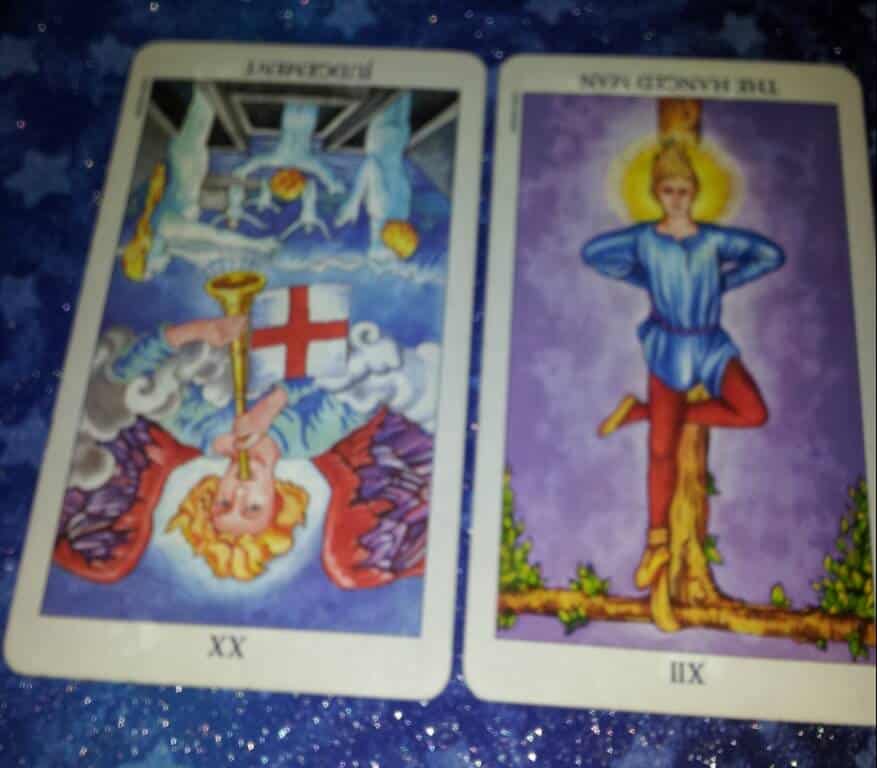
The Tarot card known as Judgment, when reversed, embodies a multifaceted array of meanings that invite introspection and self-scrutiny. Unlike its upright counterpart, which heralds renewal and accountability, the reversed Judgment card serves as a transformative force, urging individuals to reevaluate not only their decisions but their very perspectives on life itself. This card compels one to delve deeper into the corridors of self-awareness and confront the myriad layers of personal accountability.
In the realm of tarot, the Judgement card signifies a moment of awakening—a time when one faces the consequences of past actions and the potential for resurrection or renewal. However, when this card appears inverted, the implications take a decidedly different trajectory. The reversed Judgment suggests a stagnation of this process, where possibilities of transformation appear clouded or obstructed by confusion and indecision.
One prominent interpretation of the reversed Judgment card is a hesitance to take responsibility for one’s choices. This may manifest as a refusal to acknowledge the repercussions of past behavior, or as a denial of the lessons that life experiences impart. In this context, the card emerges as a harbinger of self-deception. A striking observation is that when one does not confront their pasts, they remain mired in a cycle of repetition, unable to break free from the chains that bind them to regret.
Moreover, facing this reversed Judgment card may provoke feelings of inadequacy or self-doubt. The fear of judgment—both from oneself and from others—can be overwhelming. As individuals grapple with their internal narratives, they may find themselves ensnared in a labyrinth of negative self-perception, where the once-clear path to redemption becomes obscured. Recognizing these feelings is paramount, as they serve as indicators that a shift in perspective is essential for growth.
Another profound implication of the reversed Judgment card is a reluctance to embrace change. Transformation often requires the dismantling of existing beliefs; however, this card warns of clinging too tightly to the status quo. The fear of the unknown can paralyze individuals, rendering them incapable of moving forward in beneficial ways. It’s critical to acknowledge that stagnation can be just as detrimental as missteps taken in the past. Embracing the unfamiliar can yield enlightenment, yet the reversed Judgment poses a compelling challenge to this concept.
Furthermore, the card may signal a lack of inner calling or purpose. In reverse, Judgment underscores a disconnection from one’s true self or a failure to heed one’s instincts and aspirations. Individuals may experience a profound sense of confusion—unsure not only of their direction but also of their identity. This existential disarray can foster a deep desire for clarity but often results in an overwhelming sense of paralysis.
On a relational level, the reversed Judgment card can manifest in interpersonal dynamics. Relationships marred by unresolved conflicts, mistrust, or lack of communication may come to light. The need to confront these issues, albeit daunting, becomes essential in reclaiming personal agency. It invokes the idea that reconciliation often requires a willingness to be vulnerable and confront uncomfortable truths. It serves as a reminder that neglecting issues does not foster resolution; instead, it fuels further misunderstandings.
However, the appearance of the reversed Judgment card is not merely a cautionary tale; rather, it embodies the potential for profound growth. By embracing the challenges it presents, individuals can unlock a shift in perspective that leads to enlightenment. The journey of confronting one’s flaws can ultimately transform despair into self-empowerment, fostering resilience in the face of adversity.
To facilitate this transformation, introspection is crucial. Taking the time to journal, meditate, or engage in therapeutic practices can elucidate the lessons concealed within the reversed Judgment card. These reflections allow individuals to dissect their past actions and identify patterns that require alteration. Recognition of these patterns becomes the catalyst for change, illuminating the path forward.
Additionally, seeking guidance from trusted friends, mentors, or professionals can provide an external lens through which to view one’s situation. Fresh perspectives can illuminate facets that may have previously remained hidden, fostering an environment conducive to growth. As discussions unfold, individuals may unearth insights that prompt them to reconsider their established viewpoints.
Ultimately, the reversed Judgment card challenges one to rise from the ashes of stagnation. It invites individuals to relinquish their fear of change and embrace the uncertainties that accompany transformation. In doing so, one may foster resilience, allowing for a renaissance of self—rich with experience, insight, and newfound confidence.
In conclusion, the reversed Judgment card serves as a compelling narrative within the Tarot, prompting individuals to confront the shadows of their past. It underscores the necessity of accountability, introspection, and, ultimately, acceptance. While the path may be fraught with challenges, the potential for profound personal growth lies beneath the surface. It dares one to embody curiosity and cultivate a deeper relationship with the self—unlocking the door to transformation and renewal.
FAQ
What does the reversed Judgment tarot card signify?
The reversed Judgment card signifies introspection, reluctance to take responsibility, and challenges in embracing change.
How can one interpret the reversed Judgment card in relationships?
In relationships, the reversed Judgment card highlights unresolved conflicts and the need for open communication.

Leave a Reply