Short Answer
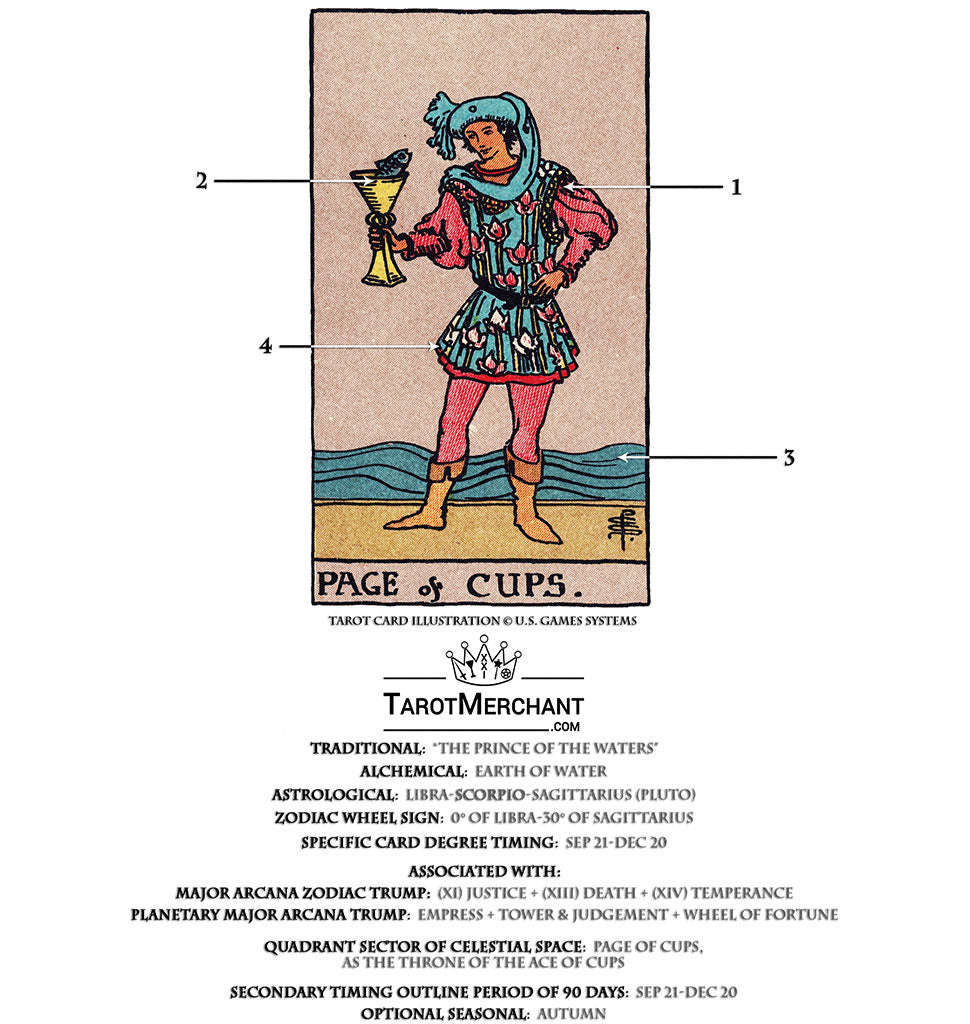
The Knave of Cups, often referred to as the Page of Cups in some tarot decks, is a card imbued with youthful exuberance and emotional depth. Its imagery depicts a young figure clutching a cup, his expression one of curiosity and wonder. This card symbolizes a myriad of themes related to intuition, creativity, and the unfettered pursuit of one’s emotional landscape. But why does this card resonate so profoundly with those who seek guidance from the tarot? Delving into its meaning reveals layers of symbolism that address both a common human experience and the complex emotional nuances that accompany it.
Historical Context and Symbolism
Understanding the Knave of Cups requires examining its historical roots. The tarot has evolved over centuries, with its imagery often reflecting cultural and philosophical shifts. The Knave of Cups symbolizes the archetype of the sensitive artist or the dreamer, someone who embodies the ideals of romanticism. Traditionally, cups represent the element of water, relating to emotions, intuition, and relationships. This association is pivotal, as it indicates that the Knave is not just an observer of his emotional world, but an active participant, guided by feelings and dreams.
The imagery in the card itself is rich with symbolism. The young knave gazes intently into the cup, often with a fish emerging from its depths. This fish is not merely an ornamental detail but rather a representation of creativity and the subconscious. The fish, which resides in water, hints at ideas and emotions that surface from the depths of one’s psyche. By embracing these revelations, the Knave of Cups encourages a deeper exploration of one’s emotional self.
The Meaning of the Knave of Cups in Readings
When the Knave of Cups appears in a reading, it often signifies a moment of exploration. This card heralds new emotional beginnings, suggesting that the querent may be on the cusp of discovering new passions or deepening their current relationships. It encapsulates the notion of being open to new experiences, whether in love, art, or personal growth. However, it is essential to approach these new ventures with a sense of balance and mindfulness.
Moreover, the Knave signifies communication, particularly of an emotional nature. This card can indicate the arrival of heartfelt messages or the expression of feelings that have long been unvoiced. It may denote a time when intuition guides decisions over logic, encouraging a reliance on gut feelings and inner revelations. For those grappling with emotional dilemmas, the Knave of Cups serves as a reminder to delve into their feelings rather than avoid them.
Emotional Depth and Sensitivity
What makes the Knave of Cups so compelling is its embodiment of sensitivity. Unlike other figures in the tarot who may display bravado or stoic wisdom, the Knave exemplifies vulnerability. This card resonates particularly with individuals who’ve felt different or misunderstood. It acknowledges the intricate tapestry of human emotions and the challenges that accompany emotional transparency. The Knave of Cups invites one to celebrate their sensitivity rather than diminish it, fostering a deeper connection to oneself and others.
This card can serve as a catalyst for emotional healing. Through its imagery and meaning, it encourages individuals to confront their feelings, acknowledge past wounds, and express love and compassion. The Knave of Cups underscores the importance of embarking on journeys of self-discovery and highlights the necessity of nurturing one’s emotional well-being.
The Knave of Cups and Creativity
Creativity is another significant aspect tied to the Knave of Cups. This card often appears in readings for artists, writers, and creators of all types who seek inspiration. It heralds a time of imaginative flow, where the individual is encouraged to pursue artistic endeavors wholeheartedly. The Knave embodies a youthful spirit, unencumbered by doubt and fear, which can act as a powerful motivator for those engaged in creative pursuits.
Those experiencing a creative block may find the Knave of Cups particularly inspiring. It suggests that inspiration is often hidden beneath the surface. Embracing playfulness and spontaneity could be the key to unlocking this creative potential. By allowing oneself to be vulnerable and expressive, the Knave encourages breaking free from constraints that inhibit artistic expression.
Challenges and Considerations
The card may also reflect emotional immaturity in certain contexts. It could indicate a tendency to avoid deeper emotional issues or a reluctance to take responsibility for one’s feelings. Thus, the Knave of Cups encourages introspection, prompting individuals to assess their emotional readiness and maturity.
Conclusion
The Knave of Cups is a multifaceted card steeped in emotional wisdom and creative energy. Its imagery and meanings transcend mere divination, offering a profound insight into the human experience. Whether it inspires artistic endeavors, encourages emotional vulnerability, or warns against the excesses of idealism, the Knave of Cups invites individuals to explore their emotions and instincts. By embracing this card’s lessons, one may embark on a journey of self-discovery that fosters both emotional growth and creative expression.
FAQ
What does the Knave of Cups represent in tarot?
The Knave of Cups symbolizes emotional exploration, creativity, and the pursuit of new experiences, often indicating heartfelt communication and intuition.
How should I interpret the Knave of Cups in a tarot reading?
In a reading, the Knave of Cups suggests openness to new emotional beginnings and encourages the querent to explore their feelings and creativity.
Leave a Reply