Short Answer
Welcome to your comprehensive guide on understanding 3 Tarot Cards Reversed: Delays, Conflict, and Lessons. Whether you’re a seasoned tarot reader or a curious beginner, this guide will help you decode the deeper meanings behind reversed tarot cards. You’ll explore how delays manifest in your readings, how conflicts arise, and the valuable lessons these cards offer. By the end, you’ll have the tools to interpret reversed cards with confidence and clarity.
Understanding Reversed Tarot Cards
Reversed tarot cards, often depicted upside-down in a spread, carry a different energy than their upright counterparts. While upright cards represent straightforward interpretations, reversed cards suggest internal struggles, blockages, or alternative perspectives. They can indicate delays, resistance, or the need for introspection. Understanding reversed cards requires a nuanced approach, as their meanings can vary based on context, surrounding cards, and the querent’s personal journey.

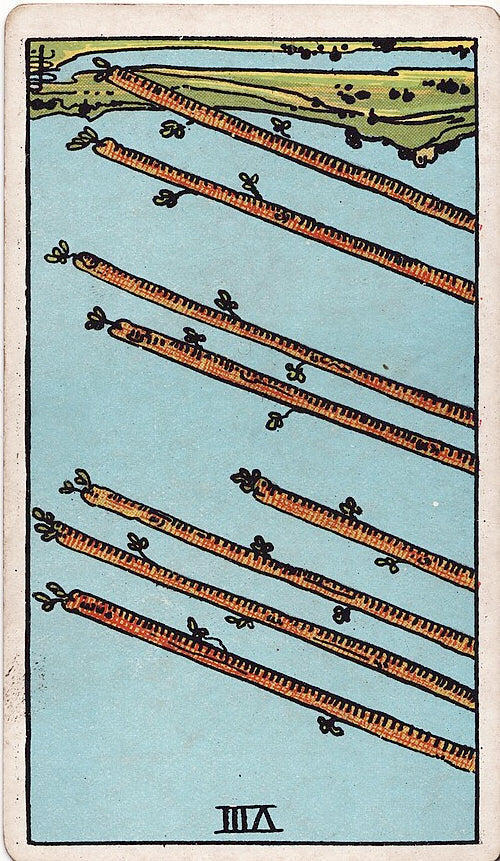
For example, the Eight of Wands reversed might signal delays in communication or travel, while the Four of Wands reversed could point to unresolved conflicts in relationships or celebrations that didn’t go as planned. These cards often highlight areas where patience, reflection, or a shift in mindset is needed.
Delays: When Timing Isn’t on Your Side
Delays in tarot readings are a common theme with reversed cards. They can reflect external circumstances beyond your control or internal hesitations that slow progress. For instance, the Eight of Wands reversed is a classic indicator of stagnation in fast-moving situations, such as delayed messages, travel plans, or sudden changes that don’t materialize as expected. This card suggests that what you’re waiting for may take longer than anticipated, or that obstacles are preventing swift action.
Other cards that highlight delays include the Three of Swords reversed, which may indicate unresolved emotional pain delaying healing, or the Six of Cups reversed, where nostalgia or past attachments hold you back from moving forward. To navigate these delays, tarot encourages patience and trust in the process. Sometimes, what feels like a setback is merely a detour leading to a better outcome.
Conflict: Navigating Inner and Outer Struggles
Reversed tarot cards often point to conflicts—whether internal or external—that disrupt harmony. These conflicts can arise from miscommunication, unmet expectations, or opposing desires. The Five of Wands reversed, for example, suggests avoiding unnecessary competition or arguments, while the Two of Swords reversed may reveal indecision or avoidance of a tough choice. These cards urge you to address the root of the conflict rather than ignoring it.
Conflict in reversed cards can also manifest as self-sabotage. The Seven of Swords reversed might indicate guilt over past actions or a lack of integrity, while the Tower reversed could signal resistance to necessary change. By acknowledging these tensions, you can take steps to resolve them, whether through honest communication, setting boundaries, or making amends. Tarot serves as a mirror, reflecting areas where alignment is needed.
Lessons: The Silver Lining in Reversed Cards
Every reversed tarot card carries a lesson, often hidden beneath its challenging surface. These lessons are opportunities for growth, urging you to reassess your path, release old patterns, or embrace a new perspective. The Hermit reversed, for instance, might suggest avoiding solitude when you actually need connection, while the Chariot reversed could warn against forcing outcomes without proper planning.
One of the most powerful lessons comes from the Four of Wands reversed, which highlights the importance of stability and celebration. This card may indicate that you’re overlooking joy or taking important milestones for granted. Similarly, the Page of Cups reversed could be a reminder to temper emotional impulsivity with wisdom. By reflecting on these lessons, reversed cards become guides rather than obstacles, helping you course-correct and evolve.

Practical Tips for Reading Reversed Cards
Interpreting reversed tarot cards effectively requires practice and intuition. Start by considering the card’s upright meaning and then explore how its energy is distorted or internalized. Ask yourself: Where am I experiencing resistance? What lesson is this card trying to teach me? Journaling your interpretations can help solidify your understanding over time.
Context is key. A reversed card in a career spread might mean delays in a promotion, while the same card in a love spread could indicate unresolved tension in a relationship. Pay attention to the surrounding cards and the querent’s questions to refine your interpretation. Additionally, don’t shy away from asking clarifying questions during a reading—sometimes, the querent’s insights can illuminate the card’s message.
Conclusion
Reversed tarot cards are not omens of doom but rather invitations to pause, reflect, and grow. They highlight delays to teach patience, conflicts to encourage resolution, and lessons to foster wisdom. By embracing the complexities of reversed cards, you deepen your connection to the tarot and your own intuition. Remember, every card—upright or reversed—holds valuable insight. The next time you encounter a reversed card, view it as a guide pointing you toward a more aligned path.
FAQ
What do reversed tarot cards signify?
Reversed tarot cards often indicate internal struggles, delays, or alternative perspectives compared to their upright meanings.
How can I interpret delays in reversed tarot cards?
Delays can symbolize external circumstances or internal hesitations; cards like the Eight of Wands reversed often highlight stagnation.
What lessons can be learned from reversed tarot cards?
Reversed cards serve as guides for growth, urging you to reassess your path and embrace new perspectives.
Leave a Reply