Short Answer
In this comprehensive guide, you’ll explore the reversed Four of Swords card, a powerful tarot symbol representing burnout, forced rest, and the struggle to pause in a relentless world. Whether you’re a tarot enthusiast, spiritual seeker, or someone feeling emotionally drained, this article will help you understand the deeper meanings, practical implications, and actionable steps tied to this card’s energy. You’ll learn how to recognize burnout patterns, interpret the card in different contexts, and navigate its challenges with clarity and intention.
The Four of Swords Reversed: A Call to Pause
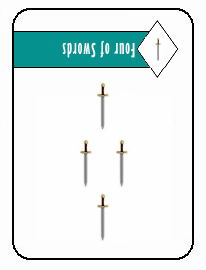
The Four of Swords reversed signals a breakdown of rest, a refusal to slow down, or an inability to integrate necessary recovery. Unlike its upright counterpart—where rest is intentional and restorative—the reversed position often reflects exhaustion that has reached a breaking point. This card may appear when you’re pushing through fatigue, ignoring your body’s signals, or forcing productivity despite emotional or physical depletion.
Visually, the Four of Swords typically depicts a figure lying in repose beneath a stained-glass window, symbolizing stillness and contemplation. In its reversed form, the energy shifts: the figure may appear restless, the window cracked or broken, and the peaceful atmosphere disrupted. This imagery mirrors the internal chaos of someone who can’t—or won’t—grant themselves permission to rest.
Signs You’re Experiencing the Four of Swords Reversed
Recognizing the reversed Four of Swords in your life involves tuning into specific emotional, mental, and physical cues. Common signs include chronic fatigue that doesn’t improve with sleep, irritability over minor issues, difficulty concentrating, and a sense of being emotionally overwhelmed. You might also notice procrastination not out of laziness, but from a deep-seated fear of facing unresolved stress.
In relationships, this card can manifest as emotional withdrawal or outbursts triggered by accumulated tension. At work, it may show up as burnout, missed deadlines due to mental fog, or a growing resentment toward responsibilities. Spiritually, the reversed Four of Swords might indicate a disconnect from inner guidance, as your mind races and your intuition feels muffled by exhaustion.
Interpreting the Four of Swords Reversed in Readings
When the Four of Swords appears reversed in a tarot spread, it often serves as a warning or wake-up call. In a career reading, it may suggest that overworking is leading to diminishing returns—your efforts are no longer sustainable. In a health context, it could point to adrenal fatigue, insomnia, or a weakened immune system due to prolonged stress.
In love readings, this card reversed may reveal emotional exhaustion in a relationship, where one or both partners feel drained rather than nurtured. It can also indicate a need to address unspoken issues before they escalate. For personal growth spreads, the card highlights the importance of self-compassion and setting boundaries, rather than glorifying perpetual busyness.
Burnout and the Four of Swords Reversed
Burnout is the modern manifestation of the reversed Four of Swords—a state of chronic physical and emotional depletion caused by prolonged stress. Unlike temporary fatigue, burnout erodes motivation, creativity, and even self-worth. It often stems from unrealistic expectations, perfectionism, or environments that prioritize output over well-being.
This card reversed doesn’t just describe burnout; it demands action. It’s a reminder that rest isn’t a luxury—it’s a biological necessity. Ignoring this message can lead to more severe consequences, such as anxiety disorders, depression, or physical illness. The Four of Swords reversed asks: What would happen if you allowed yourself to stop?
How to Respond to the Four of Swords Reversed
Addressing the reversed Four of Swords begins with acknowledging your limits. Start by identifying the root causes of your exhaustion—are you overcommitting? Avoiding difficult emotions? Neglecting self-care? Journaling or meditation can help uncover these patterns. Next, prioritize rest without guilt. This might mean saying no to social obligations, delegating tasks, or scheduling a digital detox.
Physical movement, even gentle yoga or walking, can help release trapped tension. Emotionally, consider therapy or expressive practices like art or music to process pent-up feelings. Spiritually, reconnect with practices that ground you—nature walks, breathwork, or prayer can restore a sense of inner calm. Remember, rest isn’t a sign of weakness; it’s a strategic act of self-preservation.
Four of Swords Reversed in Different Life Areas
Career: You may feel trapped in a cycle of overworking with little reward. The reversed Four of Swords urges you to reassess your workload, negotiate boundaries, or consider a career shift if your environment is toxic. It’s a call to reclaim your energy before resentment sets in.
Relationships: Emotional exhaustion can strain partnerships. This card reversed encourages open communication about needs and limits. If your partner is also drained, collaborate on ways to support each other without sacrificing your well-being.
Health: Your body is likely sending distress signals. Prioritize sleep, hydration, and nourishing meals. If stress is chronic, consult a healthcare provider to rule out underlying conditions like adrenal fatigue or thyroid dysfunction.
Personal Growth: This card reversed may appear when you’re avoiding introspection due to overwhelm. Instead of pushing harder, create space for reflection. Journal prompts like “What am I avoiding?” or “Where do I need to set boundaries?” can guide your journey.
Common Misconceptions About the Four of Swords Reversed
One major misconception is that rest equals laziness. In a productivity-obsessed culture, slowing down is often stigmatized. However, the reversed Four of Swords isn’t about laziness—it’s about a system that has failed you. Another myth is that burnout is inevitable in high-achieving lifestyles. While ambition is valuable, sustainable success requires balance.
Some also believe that ignoring burnout will make it disappear. In reality, suppressing exhaustion often amplifies it. The Four of Swords reversed teaches that true strength lies in recognizing when to pause—not in enduring until collapse.
Creating a Self-Care Plan for the Four of Swords Reversed
Designing a self-care plan starts with small, manageable steps. Begin with daily rituals: a 10-minute morning stretch, a screen-free hour before bed, or a weekly “no-plans” evening. Incorporate nourishing foods, limit caffeine and alcohol, and practice grounding techniques like deep breathing or progressive muscle relaxation.
Set boundaries with technology—turn off notifications after work hours and designate tech-free zones in your home. If guilt arises, remind yourself that rest fuels creativity and resilience. Over time, these practices can rebuild your energy reserves and restore balance.
Conclusion
The Four of Swords reversed is a profound teacher, revealing the dangers of ignoring our need for rest and reflection. It’s a mirror held up to modern society’s obsession with productivity, urging us to reclaim our humanity by honoring our limits. Whether you’re experiencing burnout, emotional exhaustion, or simply feeling overwhelmed, this card serves as a reminder: you are not a machine. Your worth isn’t measured by output, but by your ability to nurture yourself with the same care you’d offer a loved one.
By recognizing the signs, interpreting the card’s message, and taking intentional steps toward recovery, you can transform burnout into a catalyst for deeper self-awareness and sustainable living. The path forward isn’t about pushing harder—it’s about learning to pause, breathe, and rebuild from a place of strength.
Leave a Reply