Short Answer
The world of tarot is vast and mysterious, offering a mirror to the soul and a guide to the unseen. Whether you’re a seasoned reader or a curious beginner, understanding the meanings of all 78 tarot cards can unlock profound insights into your life’s journey. This guide will walk you through each card, revealing their traditional interpretations, symbolic nuances, and the transformative messages they carry. Prepare to see your world—and yourself—in a new light.
The Major Arcana: The Soul’s Journey
The Major Arcana consists of 22 cards that represent the grand themes of life, from innocence to enlightenment. These cards are the backbone of any tarot reading, offering a narrative of personal growth and spiritual awakening. Each card in this sequence tells a story, often mirroring the stages of the Fool’s journey from naivety to wisdom.

The Fool (0) is the card of new beginnings, spontaneity, and stepping into the unknown. It invites you to trust your instincts and embrace the adventure ahead. The Magician (I) follows, symbolizing manifestation and the power of focused intention. Together, these cards set the stage for a journey of self-discovery.
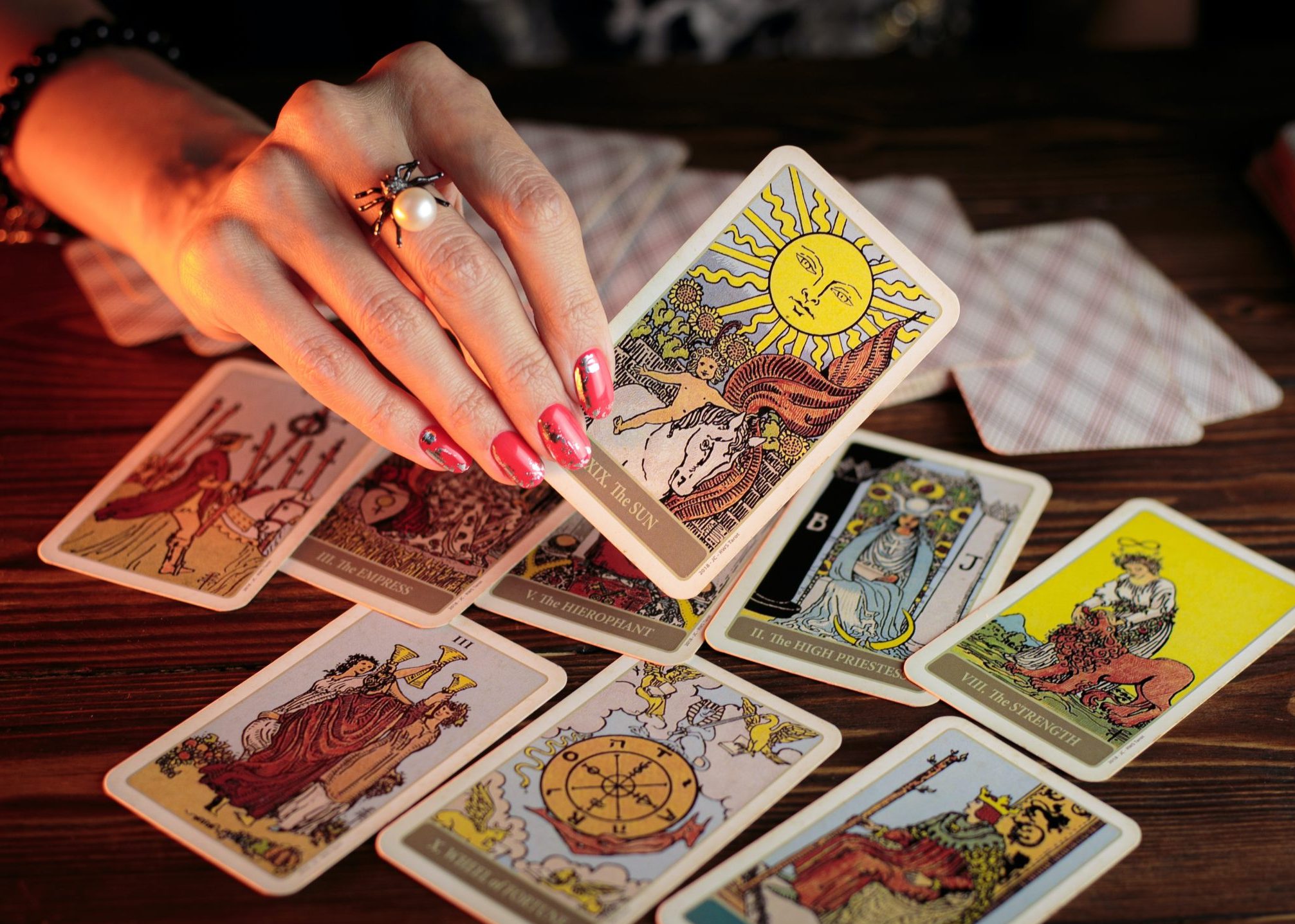
The High Priestess (II) represents intuition and the subconscious, urging you to listen to your inner voice. The Empress (III) embodies nurturing energy, creativity, and abundance, while The Emperor (IV) stands for structure, authority, and leadership. These cards highlight the balance between intuition and logic, emotion and discipline.
The Hierophant (V) speaks to tradition and spiritual guidance, while The Lovers (VI) delves into choices, relationships, and harmony. The Chariot (VII) is about determination and victory, urging you to take control of your destiny. Each card in the Major Arcana builds upon the last, creating a tapestry of life’s most profound lessons.
The Minor Arcana: The Tapestry of Daily Life
The Minor Arcana consists of 56 cards divided into four suits—Wands, Cups, Swords, and Pentacles—each reflecting different aspects of human experience. These cards provide insight into everyday challenges, opportunities, and emotions, offering practical guidance for navigating life’s complexities.
Wands: Passion and Creativity
The Wands suit is associated with fire, energy, and inspiration. It governs ambition, creativity, and personal drive. Cards like Ace of Wands signal new opportunities and creative sparks, while
Cups: Emotions and Relationships
The Cups suit is tied to water, representing emotions, intuition, and relationships.
Swords: Intellect and Conflict
The Swords suit is linked to air, symbolizing intellect, communication, and conflict.
Pentacles: Material World and Practicality
The Pentacles suit is connected to earth, reflecting material wealth, stability, and practical concerns.

Reversed Cards: Uncovering Hidden Truths
When a tarot card appears reversed, its energy is blocked or internalized. Reversed cards often highlight areas of resistance, self-doubt, or unresolved issues. For example, The Tower reversed may indicate fear of change, while
Card Combinations: The Language of Synergy
Tarot cards rarely work in isolation. Their true power lies in combinations, where their meanings intertwine to create nuanced messages. For instance,
Using Tarot for Self-Reflection
Tarot is not just a tool for divination; it’s a mirror for self-reflection. Pulling a single card daily can provide focus and insight, while a full spread like the Celtic Cross can offer a comprehensive view of a situation. Keep a tarot journal to track your interpretations and observe patterns over time. The more you engage with the cards, the more intuitive your readings will become.
Ethical Considerations in Tarot Reading
Tarot is a tool for guidance, not a definitive answer. It’s essential to approach readings with an open mind and a critical perspective. Avoid using tarot to make decisions out of fear or dependency. Instead, use it as a catalyst for self-awareness and growth. Remember, the cards reflect potential paths—not fixed outcomes.
Conclusion
Exploring the meanings of all 78 tarot cards is a journey of discovery, both of the deck and of yourself. Each card carries a unique message, whether it’s a call to action, a warning, or a gentle nudge toward introspection. By familiarizing yourself with the Major and Minor Arcana, understanding reversed cards, and practicing ethical reading, you’ll unlock the tarot’s transformative power. Let the cards guide you, but always trust your own intuition. The true magic of tarot lies not in predicting the future, but in illuminating the present—and empowering you to shape your destiny.
FAQ
What does the Fool card represent?
The Fool card symbolizes new beginnings, spontaneity, and embracing the unknown with trust and optimism.
How are the Minor Arcana suits different?
Each suit addresses different life areas: Wands for creativity and ambition, Cups for emotions and relationships, Swords for intellect and conflict, and Pentacles for material and financial matters.
Can tarot cards be used by beginners?
Yes, learning the meanings of all 78 cards can help beginners gain confidence and insight in tarot reading.
Leave a Reply