Short Answer
Embarking on a journey of self-discovery and growth often begins with a single step—just like The Fool in the tarot deck. This guide explores the transformative power of The Fool’s Journey, a foundational concept in tarot that mirrors life’s cycles of beginnings, challenges, and evolution. Whether you’re a seasoned tarot reader or a curious beginner, this guide will help you understand how to pose playful questions, embrace challenges, and navigate your own path with curiosity and courage. By the end, you’ll see how The Fool’s archetype can inspire a fresh start in any area of your life.
The Fool’s Journey: A Symbol of New Beginnings
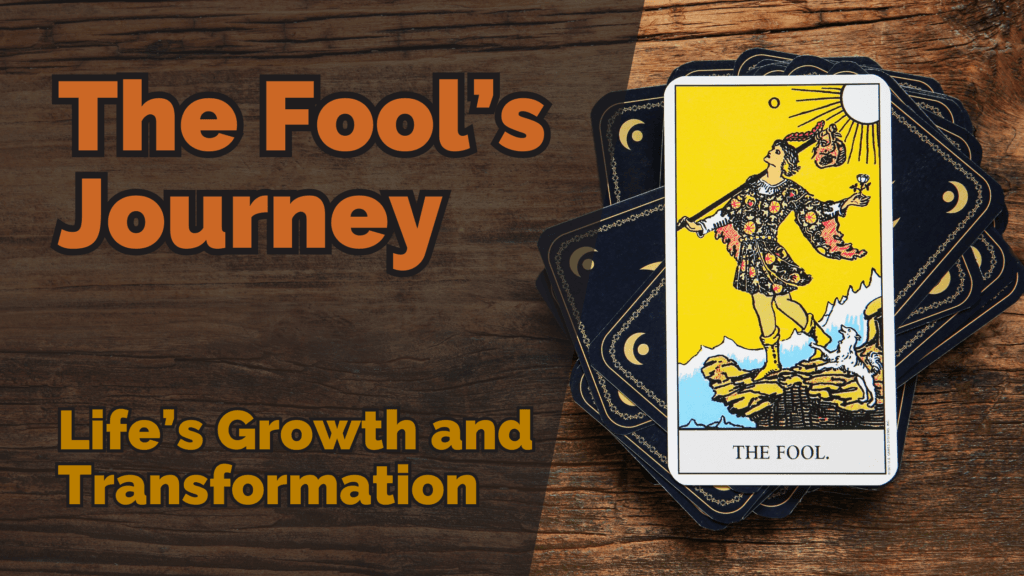
The Fool is the first card in the Major Arcana, representing innocence, spontaneity, and the uncharted path ahead. Unlike other tarot cards that carry specific meanings, The Fool is open to interpretation, embodying the energy of a blank slate. This card encourages you to approach life with childlike wonder, free from overthinking or fear. It’s a reminder that every great adventure starts with a leap of faith—even if the destination isn’t clear yet.
In the context of a new start, The Fool’s Journey is about embracing the unknown. It asks you to release past regrets and future anxieties, focusing instead on the present moment. For example, if you’re considering a career change, The Fool might urge you to take the first step—update your resume, network, or enroll in a course—without worrying about the outcome. The journey isn’t about perfection; it’s about movement and learning along the way.
Posing Playful Questions to Spark Insight
One of the most powerful ways to engage with The Fool’s Journey is by asking yourself playful, open-ended questions. These questions should encourage exploration rather than rigid expectations. For instance:
- “What would my life look like if I approached my goals with the curiosity of a child?” This shifts your mindset from pressure to playfulness.
- “What’s one small, fearless action I can take today toward my dream?” The Fool thrives on action, not hesitation.
- “Where am I holding back out of fear, and how can I release it?” This invites self-reflection without judgment.
Playful questions like these remove the weight of seriousness and allow you to tap into The Fool’s energy. They’re especially useful when you’re stuck in analysis paralysis or feeling overwhelmed by the “right” way to proceed. The Fool doesn’t follow a script—it writes its own.
Introducing a Challenge: The Fool’s Obstacle Course
While The Fool represents freedom and spontaneity, the journey isn’t always smooth. Challenges arise, and that’s where growth happens. To deepen your understanding of The Fool’s Journey, try this challenge: “The Fool’s Obstacle Course.” This exercise pushes you out of your comfort zone in small, manageable ways. Here’s how it works:
- Identify a Goal: Choose something you’ve been hesitant to pursue, like learning a new skill, reconnecting with an old friend, or traveling solo.
- Break It Down: Divide the goal into three tiny steps. For example, if you want to learn to paint, step one might be buying a sketchbook.
- Embrace the Unknown: Commit to taking one step per day for a week, even if it feels silly or imperfect. The goal isn’t to master the skill but to build momentum.
- Reflect Daily: Ask yourself, “What did I learn today?” rather than “Did I do it perfectly?”
This challenge mirrors The Fool’s journey—it’s not about avoiding obstacles but learning to dance with them. You might stumble, but each misstep teaches you something new. The key is to stay lighthearted, as if you’re playing a game rather than facing a daunting task.

Navigating the Journey: Trust and Intuition
The Fool’s Journey is deeply tied to intuition. The card often depicts The Fool stepping off a cliff, with a small dog nipping at their heels—a symbol of instinct guiding the way. In practical terms, this means trusting your gut when making decisions, even if they seem irrational to others. For example, if you’re torn between two job offers, The Fool might suggest choosing the one that excites you more, even if it’s less conventional.
To cultivate trust in your intuition:
- Practice Daily: Before making a choice, pause and ask, “What does my intuition say?” Notice any physical sensations (e.g., a gut feeling, warmth, or clarity).
- Keep a Journal: Write down moments when your intuition was right. Over time, this builds confidence in your inner voice.
- Let Go of Over-Analysis: The Fool doesn’t overthink—it acts. When in doubt, ask, “What’s the next right step?” and take it.
Common Missteps and How to Avoid Them
While The Fool’s energy is liberating, it can also lead to recklessness if not balanced with wisdom. Here are common pitfalls and how to navigate them:
- Ignoring Practicality: The Fool isn’t about being naive. Pair spontaneity with planning—e.g., save money before quitting a job to travel.
- Burning Out: The journey should be joyful, not exhausting. Pace yourself and celebrate small wins.
- Isolating Yourself: The Fool’s Journey is personal but not solitary. Seek mentors or communities that align with your goals.
Remember, The Fool isn’t reckless—it’s courageous. The difference lies in preparation. A Fool who leaps without a parachute is different from one who leaps with a safety net and a map.
Conclusion
The Fool’s Journey is more than a tarot concept—it’s a metaphor for life itself. It teaches that new beginnings are not about having all the answers but about embracing the adventure with an open heart. By posing playful questions, facing challenges with curiosity, and trusting your intuition, you can transform even the smallest steps into a meaningful journey. Whether you’re starting a project, a relationship, or a personal transformation, The Fool reminds you that the path is yours to create. So take a deep breath, step forward, and let the journey unfold—one leap of faith at a time.
FAQ
What does The Fool represent in tarot?
The Fool represents new beginnings, innocence, and the potential for adventure.
How can I engage with The Fool’s Journey?
By asking playful questions and taking small, fearless actions towards your goals.
What are common pitfalls in The Fool’s Journey?
Common pitfalls include ignoring practicality, burning out, and isolating oneself from support.

Leave a Reply