Short Answer
This guide explores the intriguing relationship between ATA Auntyflo and Belladonna, two subjects often linked by curiosity and folklore. You’ll discover their historical significance, cultural impact, and the deeper reasons behind their enduring fascination. By the end, you’ll understand why these elements continue to captivate minds across generations.
The Historical Roots of ATA Auntyflo and Belladonna
ATA Auntyflo and Belladonna have deep historical ties that span centuries, often intertwined in herbalism, witchcraft, and traditional medicine. ATA Auntyflo, a term that may refer to a folkloric or medicinal figure, has been associated with remedies and rituals involving Belladonna—also known as deadly nightshade. Historically, Belladonna was used in both healing and harm, its alkaloids like atropine and scopolamine lending it powerful medicinal properties as well as deadly toxicity. Ancient healers and apothecaries prized it for its ability to treat pain, spasms, and even eye conditions, while its hallucinogenic effects made it a staple in shamanic practices. The duality of Belladonna—both a healer and a poison—mirrors the enigmatic nature of ATA Auntyflo, a figure often shrouded in mystery and folklore.
Cultural Significance and Folklore
The cultural significance of Belladonna extends far beyond its pharmacological uses. In European folklore, Belladonna was often linked to witches and their potions, earning it nicknames like “witch’s berry” and “devil’s cherries.” The plant’s association with ATA Auntyflo may stem from these traditions, where it was believed to grant visions or induce trance-like states. Similarly, ATA Auntyflo could represent a guardian of herbal knowledge, a figure who safeguarded the secrets of potent plants like Belladonna. In some traditions, Belladonna was used in love potions or curses, further cementing its role in the mystical and the unknown. This cultural baggage adds layers to the fascination with both subjects, as they become symbols of the boundary between life and death, healing and harm.
The Botanical Profile of Belladonna
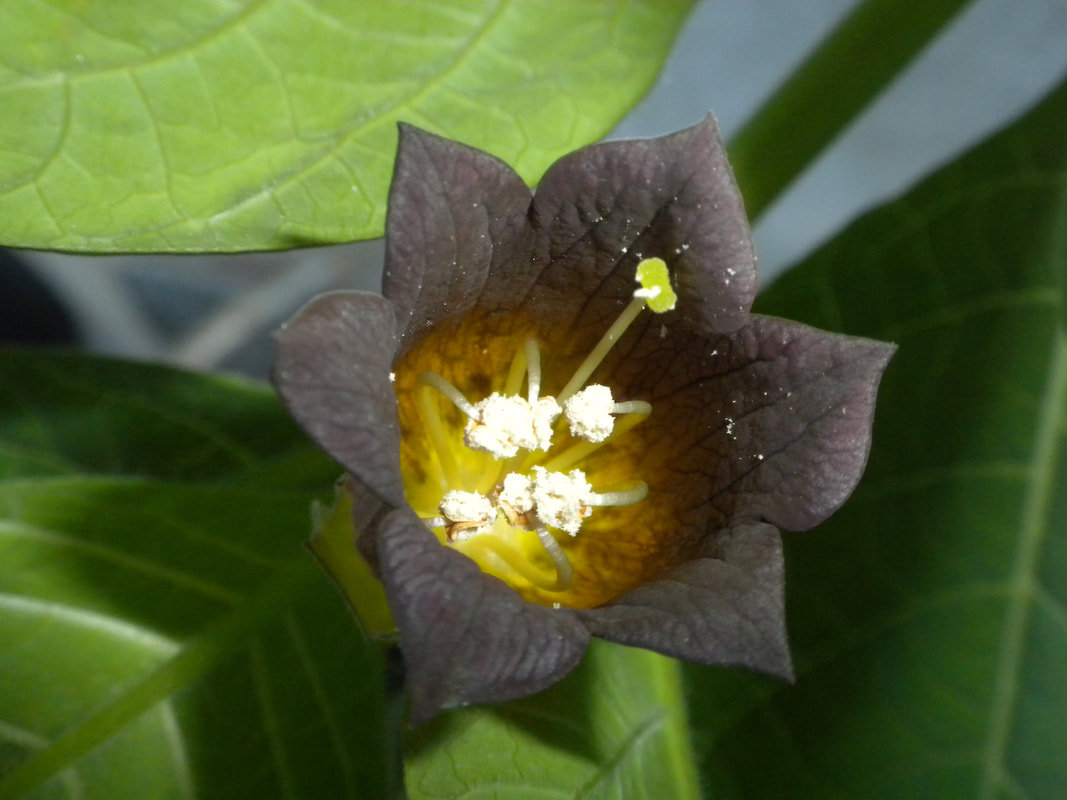
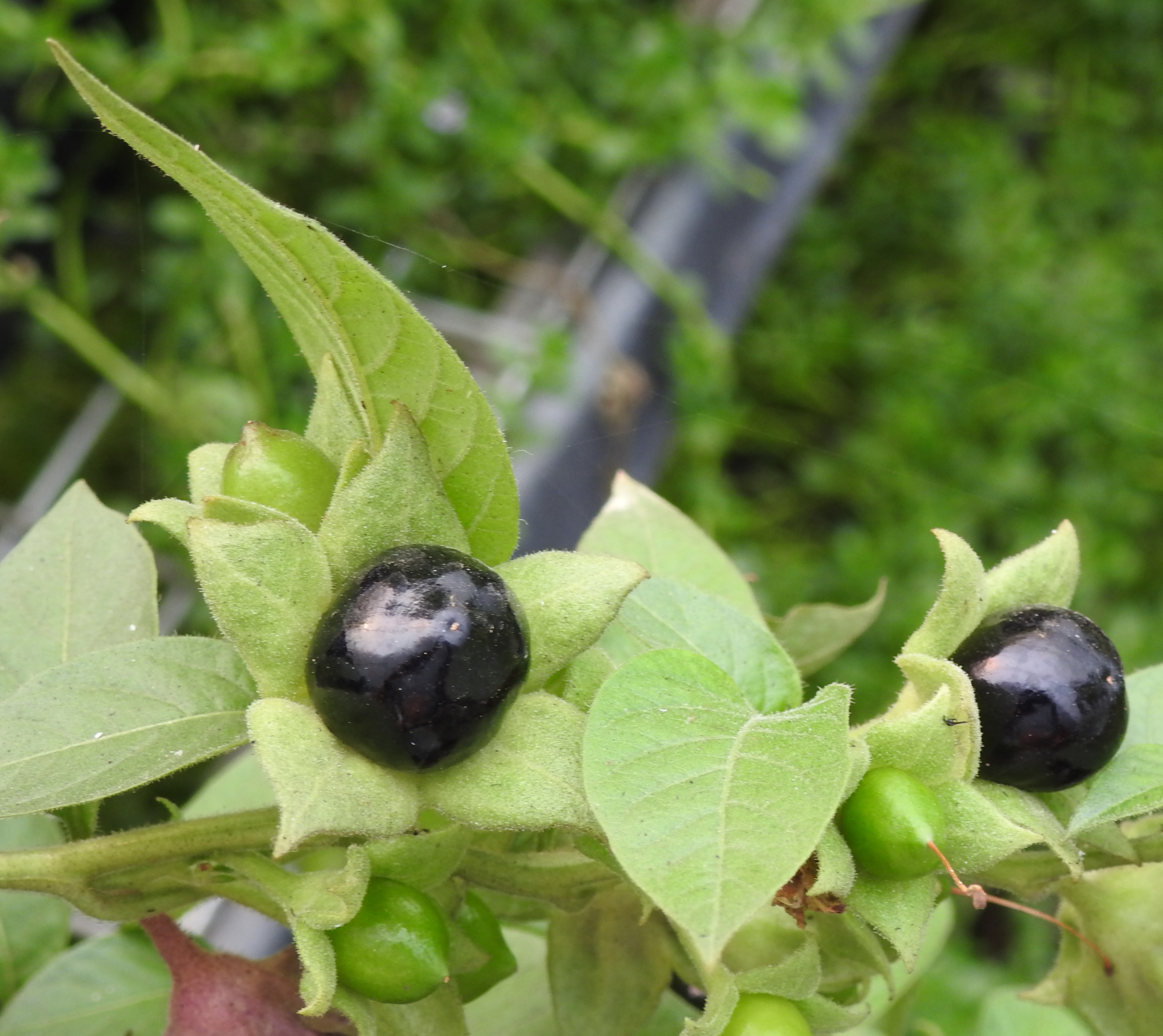
Belladonna (Atropa belladonna) is a perennial herb native to Europe, North Africa, and Western Asia. Its striking dark purple flowers and glossy black berries make it visually distinctive, but its true allure lies in its chemical composition. The plant contains tropane alkaloids, which are responsible for its psychoactive and toxic effects. Historically, women used Belladonna extracts to dilate their pupils—a cosmetic practice that gave the plant its name, as “belladonna” means “beautiful woman” in Italian. However, its toxicity is well-documented; ingestion can lead to hallucinations, paralysis, and even death. This paradox—beauty and danger—parallels the dual nature of ATA Auntyflo, a figure who embodies both nurturing and destructive forces.
ATA Auntyflo: The Enigmatic Figure Behind the Myth
ATA Auntyflo remains an elusive figure, often referenced in herbal and occult circles without a clear origin. The name may derive from a combination of “Aunty,” a term of familiarity or reverence, and “Flo,” possibly short for Florence or another name, or even a play on “flow” in the context of herbal remedies. In some interpretations, ATA Auntyflo represents a collective archetype—a wise woman, a healer, or a witch—who holds the knowledge of plants like Belladonna. Her association with such a potent herb suggests a role as a gatekeeper of ancient wisdom, someone who understands the delicate balance between healing and harm. This figure resonates with modern audiences because she embodies the timeless quest for power through nature, whether for good or ill.
Modern Uses and Misconceptions
Today, Belladonna is still used in medicine, though strictly regulated due to its toxicity. It appears in some over-the-counter remedies for motion sickness, irritable bowel syndrome, and even as a preoperative medication to reduce saliva and mucus secretions. However, its recreational use persists in underground circles, where its hallucinogenic properties are exploited despite the risks. The continued fascination with Belladonna reflects a broader cultural interest in plants that blur the line between medicine and poison. Similarly, ATA Auntyflo persists in modern witchcraft and herbalism as a symbol of the untamed power of nature. This duality—between utility and danger—keeps both subjects relevant in contemporary discussions about alternative medicine and spirituality.
The Psychological Allure of Danger and Beauty
Why do ATA Auntyflo and Belladonna continue to captivate? The answer may lie in the human psyche’s attraction to the forbidden and the mysterious. Belladonna’s beauty—its dark flowers, sweet-smelling berries—belies its deadly nature, creating a paradox that intrigues. Similarly, ATA Auntyflo represents the unknown, the keeper of secrets that promise power or enlightenment. This duality taps into primal fears and desires: the fear of poison and the desire for transcendence. In a world where safety and predictability are often prioritized, the allure of something both beautiful and dangerous offers a thrilling escape. It’s a reminder that nature is not always benign, and that knowledge—like the plants themselves—can be a double-edged sword.
Ethical Considerations and Responsible Use
Given the potent and toxic nature of Belladonna, ethical considerations are paramount. Self-experimentation or recreational use is extremely dangerous and can be fatal. Even in medicinal contexts, Belladonna should only be used under professional supervision. The legacy of ATA Auntyflo, too, should be approached with respect for the traditions and knowledge she represents. Modern practitioners of herbalism and witchcraft often emphasize sustainability, ethical sourcing, and deep respect for plant allies. This means acknowledging the risks while honoring the plant’s power. The fascination with Belladonna and figures like ATA Auntyflo should come with a responsibility to understand, not exploit, the forces at play.
Conclusion
ATA Auntyflo and Belladonna are more than just a folkloric duo or a toxic plant; they are symbols of the complex relationship between humanity and nature. Their enduring fascination stems from their dual nature—beautiful yet deadly, healing yet harmful—and the mysteries they embody. Whether viewed through the lens of history, culture, or psychology, they challenge us to confront the boundaries between life and death, knowledge and danger. As long as humans seek power in the natural world, figures like ATA Auntyflo and plants like Belladonna will remain compelling, reminding us of the delicate balance between curiosity and caution.
FAQ
What is ATA Auntyflo?
ATA Auntyflo represents a folkloric or archetypal wise woman or healer associated with herbal knowledge, particularly regarding potent plants like Belladonna.
What are the risks of using Belladonna?
Belladonna is highly toxic and can cause hallucinations, paralysis, or death if misused. It should only be used under professional medical supervision.
Why is Belladonna called 'deadly nightshade'?
Because of its highly toxic nature that can be fatal if ingested, despite its historical medicinal uses.
How are ATA Auntyflo and Belladonna connected in folklore?
Belladonna’s mystical and toxic qualities are linked to ATA Auntyflo’s role as a keeper of herbal wisdom and occult secrets in folklore.
Is Belladonna used in modern medicine?
Yes, but only in regulated doses for specific conditions like motion sickness and to reduce secretions before surgery.
Leave a Reply