Short Answer
Welcome to your ultimate guide to understanding all 78 tarot cards—both upright and reversed meanings! Whether you’re a seasoned reader or just beginning your journey into the mystical world of tarot, this comprehensive breakdown will help you interpret each card with confidence. You’ll learn the symbolism behind every card, how their positions (upright or reversed) shift their messages, and even how to pose playful questions that invite deeper reflection. By the end, you’ll be equipped to tackle any tarot spread with clarity and curiosity.
Understanding the Major Arcana: The Fool’s Journey
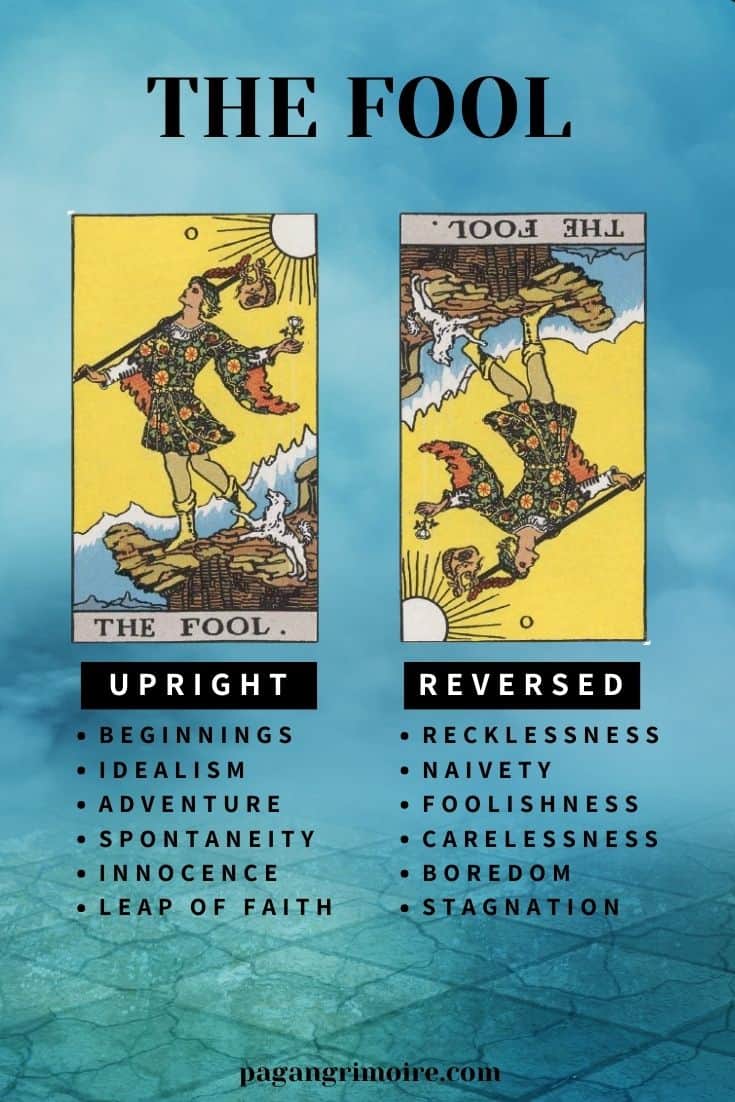
The Major Arcana consists of 22 cards, each representing a significant life lesson or spiritual milestone. These cards tell the story of The Fool, a character who begins their journey with innocence and curiosity, facing challenges, triumphs, and transformations along the way. The first card, The Fool, embodies spontaneity, new beginnings, and a leap of faith. Its reversed meaning might suggest recklessness or a lack of direction—posing the playful question: “Are you leaping without looking?” This card sets the tone for the entire deck, reminding us that every journey starts with a single step, even if that step is taken blindly.
The Minor Arcana: Everyday Challenges and Joys
The Minor Arcana is divided into four suits—Swords, Cups, Wands, and Pentacles—each reflecting different aspects of life. Unlike the Major Arcana, these cards focus on daily experiences, emotions, and practical matters. For example, the King of Swords represents intellectual authority, clear thinking, and decisive action. When reversed, this card may indicate coldness, manipulation, or over-analysis. Ask yourself: “Are you wielding your intellect like a sword or a shield?” This suit challenges you to balance logic with empathy, especially when emotions run high.
Swords: The Mind’s Battles and Breakthroughs
The Swords suit is all about thoughts, words, and conflicts. Upright cards like The Ace of Swords signify clarity, truth, and a breakthrough in understanding, while reversed, it may warn of confusion or deception. The Three of Swords upright often depicts heartbreak or sorrow, but reversed, it suggests healing or forgiveness. Pose the question: “What truth are you avoiding?” This suit invites you to confront your inner dialogue and recognize when your mind is your greatest ally—or your worst enemy.
Cups: Emotions, Relationships, and Intuition
Cups represent the heart—love, intuition, creativity, and emotional connections. The Ten of Cups upright is a card of joy and family harmony, while reversed, it may highlight unresolved family tensions or unmet emotional needs. Ask: “Where in your life are you seeking validation?” This suit encourages you to dive deep into your feelings, trust your intuition, and nurture the relationships that truly fulfill you.
Wands: Passion, Ambition, and Personal Growth
Wands are the suit of fire—passion, inspiration, and action. The Page of Wands upright embodies enthusiasm and new ideas, but reversed, it can signal a lack of direction or wasted potential. Challenge yourself: “What dreams are you hesitating to pursue?” This suit is a call to embrace your creative fire, take bold risks, and let your ambitions guide you forward.
Pentacles: Material World and Practical Realities
Pentacles ground the spiritual into the tangible—they represent money, work, health, and stability. The Five of Pentacles upright often shows financial struggle or feeling left out in the cold, while reversed, it may indicate recovery or seeking help. Ask: “Where are you neglecting your physical or financial well-being?” This suit reminds you that true abundance comes from balancing material needs with spiritual fulfillment.
Reversed Cards: Challenges and Hidden Messages
Reversed tarot cards aren’t “bad”—they’re simply offering a different perspective. They might highlight blockages, internal struggles, or the need for introspection. For instance, The Tower reversed could suggest resisting necessary change or avoiding a wake-up call. Instead of fearing reversed cards, see them as invitations to dig deeper. Pose the playful challenge: “What shadow aspect of myself am I refusing to acknowledge?” This approach transforms fear into curiosity and empowers you to grow.
Reading Tarot for Yourself: Tips and Tricks
Reading tarot is a personal journey, so trust your intuition above all. Start with simple spreads like a three-card layout (past, present, future) or a single-card pull for daily guidance. Keep a tarot journal to track patterns in your readings and note how cards resonate with your life. Don’t be afraid to ask open-ended questions like “What do I need to know about my current relationship?” or “What lesson is this challenge teaching me?” The more you practice, the more the cards will speak to you in ways that feel uniquely personal.
Common Pitfalls and How to Avoid Them
One of the biggest mistakes is relying solely on guidebooks without tuning into your own intuition. Another is overanalyzing—sometimes a card’s message is simple and direct. Avoid asking yes/no questions, as they limit the card’s wisdom. Instead, frame questions that invite exploration, such as “How can I approach this situation with more confidence?” Remember, tarot is a tool for reflection, not a fortune-telling device. It’s about empowerment, not prediction.
Conclusion
Tarot is far more than a deck of cards—it’s a mirror to your soul, a guide through life’s twists, and a playful invitation to ask deeper questions. Whether you’re drawn to the fiery passion of Wands, the emotional depth of Cups, the intellectual rigor of Swords, or the grounded energy of Pentacles, each card offers a unique perspective on your journey. Upright or reversed, the cards reflect back to you the truths you’re ready to see. So, the next time you pull a card, ask yourself: “What is this card trying to teach me?” The answers are already within you—tarot simply helps you uncover them.
FAQ
What are the Major Arcana cards?
The Major Arcana consists of 22 cards that represent significant life lessons and spiritual milestones.
How do reversed tarot cards work?
Reversed tarot cards offer a different perspective, highlighting blockages or internal struggles.
What should I consider when reading tarot?
Trust your intuition, ask open-ended questions, and avoid relying solely on guidebooks.
Leave a Reply