Short Answer
Welcome to a deep dive into Authenticity Tarot – The Card That Calls You Out. In this guide, you will explore why certain tarot cards resonate so strongly with people, particularly those that seem to “call you out” or challenge your perceptions. You’ll uncover the psychological and emotional layers behind this fascination, learn how to interpret these cards in readings, and discover practical ways to apply their messages in your life. By the end, you’ll have a clearer understanding of how tarot can serve as a mirror, reflecting not just your external circumstances but your inner truths as well.
The Allure of the “Calling-Out” Tarot Card
There’s something undeniably compelling about a tarot card that feels like it’s speaking directly to you. Whether it’s The Emperor demanding accountability, The Hermit urging introspection, or The Tower exposing hidden truths, these cards often leave a lasting impression. This phenomenon isn’t accidental—it taps into a universal human desire for self-awareness and validation. When a card “calls you out,” it’s not just about judgment; it’s an invitation to confront aspects of yourself or your situation that you might otherwise overlook. The fascination with these cards stems from their ability to cut through the noise of daily life and highlight what truly matters.
The emotional response these cards evoke can range from discomfort to profound clarity. For many, the initial reaction is resistance—why would a card highlight my flaws or mistakes? Yet, this resistance often masks a deeper curiosity. People are drawn to these cards because they promise a kind of truth that’s hard to find elsewhere. In a world where social media and curated personas dominate, a tarot card that calls you out feels raw and authentic. It’s a reminder that growth often begins with discomfort.
Psychological and Emotional Layers Behind the Fascination
The power of a tarot card that “calls you out” lies in its psychological resonance. Carl Jung’s concept of the shadow self offers a useful framework here. The shadow self represents the parts of our personality we deny or suppress—our fears, insecurities, and unacknowledged desires. When a tarot card mirrors these aspects back to us, it can feel like an awakening. Cards like The Devil, Seven of Swords, or even The Hanged Man often serve this purpose, forcing us to confront what we’ve been avoiding.
Emotionally, these cards can trigger a mix of fear, curiosity, and relief. Fear arises because the truth can be unsettling, especially when it challenges our self-image. Curiosity follows as we wonder, “What is this card trying to tell me?” And relief comes when we realize that acknowledging these truths is the first step toward healing. For example, pulling The Three of Swords might initially feel devastating, but it can also be a catalyst for addressing unresolved pain or grief. The key is to approach these cards with an open mind rather than defensiveness.
Interpreting the “Calling-Out” Cards in Readings
Interpreting a tarot card that calls you out requires a balance of intuition and objectivity. Start by examining the card’s traditional meanings, but don’t stop there. Ask yourself: Where in my life am I avoiding the truth? or What is this card revealing about my blind spots? For instance, if you pull The Five of Pentacles, it might not just be about financial struggle—it could be highlighting feelings of isolation or a need to ask for help. Context is everything.
Another approach is to consider the card’s position in a spread. In a past-present-future reading, a calling-out card in the present position might indicate a current issue that needs addressing. In a relationship spread, it could signal a dynamic where one person is being dishonest—with themselves or others. Pay attention to the card’s imagery as well. The stark contrasts in The Chariot, for example, might symbolize an internal battle between control and surrender. The more you engage with the card’s symbolism, the more personalized its message becomes.
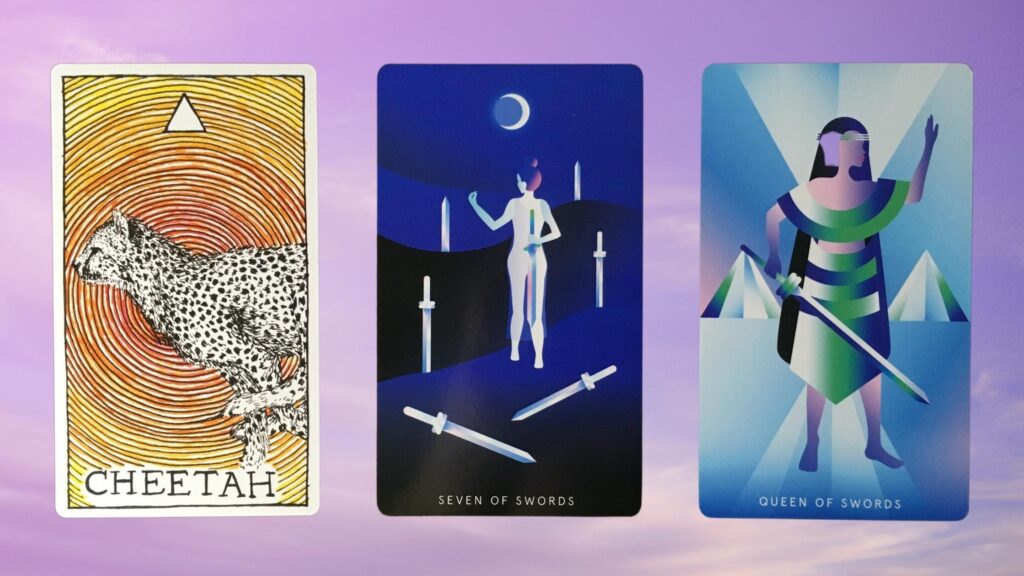
It’s also helpful to journal about your reactions to the card. Do you feel defensive? Intrigued? Ashamed? These emotions are clues to what the card is touching on in your life. Over time, you’ll start to recognize patterns—certain cards that consistently “call you out” may point to recurring themes or lessons you need to learn.
Practical Ways to Apply the Card’s Message
Once you’ve identified a tarot card that’s calling you out, the next step is to translate its message into action. Start small. If The Eight of Cups appears, it might be urging you to walk away from a situation that no longer serves you. Instead of making a drastic change immediately, ask yourself: What’s one step I can take today to honor this message? It could be as simple as having a difficult conversation or setting a boundary.
For cards that highlight self-deception, like The Moon or The Two of Cups reversed, the work is often internal. Practices like meditation, therapy, or even creative expression (such as writing or art) can help you explore the deeper layers of the card’s message. The goal isn’t to punish yourself but to cultivate self-awareness and compassion. For example, if The Ten of Swords shows up, it might be time to acknowledge a painful ending—but also to recognize that this ending is making space for something new.
In relationships, a calling-out card can serve as a wake-up call. If The Knight of Wands appears in a love reading, it might be highlighting impulsive behavior or a lack of commitment. Use the card’s energy to reflect on how you can show up more authentically in your connections. Honesty, even when it’s uncomfortable, is the foundation of any healthy relationship.
Common Misconceptions and How to Avoid Them
One of the biggest misconceptions about tarot cards that “call you out” is that they’re inherently negative. While these cards can be challenging, their purpose isn’t to shame you but to guide you toward growth. Another misconception is that these cards only appear when you’re doing something wrong. In reality, they often highlight areas where you’re out of alignment with your true self—whether that’s suppressing emotions, ignoring intuition, or staying in a situation that drains you.
Avoid the trap of seeing these cards as predictions of doom. Instead, view them as mirrors that reflect your current state so you can make empowered choices. For example, The Tower isn’t just about destruction; it’s about necessary change that clears the way for something better. Similarly, The Devil isn’t a sign of moral failure but an opportunity to recognize unhealthy attachments or patterns.
Conclusion
Authenticity Tarot – The Card That Calls You Out is more than just a reading tool; it’s a pathway to deeper self-awareness and transformation. These cards challenge us to look beyond the surface, confront our truths, and embrace growth, even when it’s uncomfortable. By understanding the psychological and emotional layers behind these cards, you can learn to interpret their messages with clarity and apply them in ways that foster healing and empowerment.
Remember, the goal isn’t perfection but progress. Whether a card calls you out about a relationship, a career, or a personal habit, its message is ultimately an invitation to align more closely with your authentic self. The next time a tarot card feels like it’s speaking directly to you, lean in. The truth it reveals might be exactly what you need to hear.
FAQ
What is the Authenticity Tarot card?
The Authenticity Tarot card represents self-awareness and the confrontation of personal truths, often challenging perceptions and encouraging growth.
How do I interpret calling-out tarot cards?
Interpreting calling-out tarot cards involves understanding their traditional meanings, reflecting on personal blind spots, and considering their context in a reading.
What should I do if a tarot card calls me out?
If a tarot card calls you out, translate its message into actionable steps, reflecting honestly on its implications for your life.

Leave a Reply