Short Answer
Welcome to your foundational guide to tarot card meanings! Whether you’re just starting your journey into tarot or looking to deepen your understanding, this comprehensive resource will walk you through the essentials. You’ll learn how to interpret the Major and Minor Arcana, understand card suits, and apply basic spreads to your readings. By the end, you’ll have the confidence to read tarot cards intuitively and meaningfully.
Understanding the Structure of a Tarot Deck
A standard tarot deck consists of 78 cards divided into two main groups: the Major Arcana and the Minor Arcana. The Major Arcana contains 22 cards, each representing significant life events or spiritual lessons. These cards often carry deep symbolic meaning and can indicate major influences in a reading. The Minor Arcana, on the other hand, consists of 56 cards divided into four suits—Cups, Pentacles, Swords, and Wands—each relating to different aspects of daily life. Cups are tied to emotions and relationships, Pentacles to finances and material matters, Swords to thoughts and communication, and Wands to creativity and passion. Together, these cards form a complete narrative that can guide your interpretations.

Major Arcana: The Fool’s Journey
The Major Arcana tells the story of The Fool, a character who begins a journey of self-discovery and spiritual growth. Each card represents a stage in this journey, from innocence and new beginnings (The Fool) to enlightenment and completion (The World). For example, The Magician symbolizes manifestation and resourcefulness, while The High Priestess represents intuition and hidden knowledge. Learning these cards helps you recognize pivotal moments in a reading, as they often highlight major themes or life changes. Start by memorizing the sequence and basic meanings, then observe how these cards appear in your spreads to deepen your intuition.
Minor Arcana: Navigating Daily Life
The Minor Arcana cards reflect everyday experiences and challenges. Each suit has ten numbered cards (Ace through 10) and four court cards (Page, Knight, Queen, King). The numbered cards describe situations or energies, while court cards often represent people or personality traits. For instance, the Three of Cups celebrates friendship and joy, while the Five of Pentacles may indicate financial struggle. Understanding these cards allows you to provide nuanced guidance on relationships, career, and personal growth. Practice by pulling a single card each day and reflecting on how its message applies to your life.

Interpreting Court Cards: Personalities and Roles
Court cards can be tricky for beginners, as they often represent people rather than situations. Each court card combines a suit and a rank to describe personality traits. For example, the Queen of Swords embodies independence and clear thinking, while the Knight of Wands suggests adventure and impulsiveness. When a court card appears in a reading, consider whether it reflects someone in your life or a part of yourself. Ask yourself: Is this person supportive or challenging? How does their energy influence the situation? Over time, you’ll develop a deeper sense of how these cards interact with others in a spread.
Common Tarot Spreads for Beginners
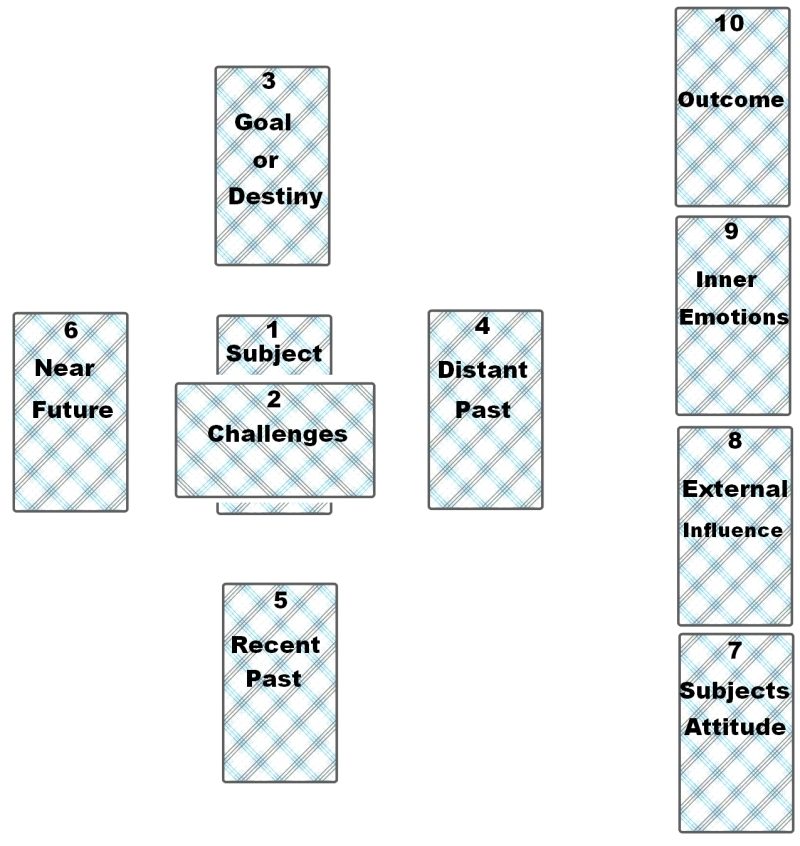
Tarot spreads are layouts that determine how cards are positioned and interpreted in a reading. For beginners, simple spreads are ideal. The One-Card Draw is perfect for daily reflections, offering a quick insight into your current energy or focus. The Three-Card Spread—representing past, present, and future—provides a snapshot of a situation’s progression. Another useful spread is the Celtic Cross, which offers a more detailed look at challenges, influences, and potential outcomes. Start with these basic layouts, then gradually explore more complex ones as you gain confidence.
Reversed Cards: Upside-Down Meanings
Reversed cards appear upside-down in a spread and often indicate blocked energy, internal struggles, or a need for introspection. For example, the reversed Lovers card might suggest disharmony in a relationship, while the reversed Ten of Cups could point to unmet emotional needs. However, interpretations vary—some readers see reversals as challenges, while others view them as internalized messages. Experiment with both perspectives to see what resonates with you. Remember, reversed cards aren’t inherently negative; they simply highlight areas that require attention or transformation.
Developing Your Intuition with Tarot
While memorizing card meanings is essential, tarot is ultimately a tool for intuition. Start by trusting your first impressions when you pull a card. Ask yourself: What emotions or images come to mind? How does this card relate to my current situation? Journaling your readings can help you track patterns and deepen your understanding. Over time, you’ll develop a personal connection to the cards, allowing your interpretations to feel more authentic and insightful. Don’t rush this process—tarot is a lifelong practice.
Conclusion
Tarot is a powerful tool for self-reflection, guidance, and spiritual growth. By familiarizing yourself with the structure of the deck, the meanings of individual cards, and basic spreads, you’ll build a strong foundation for your readings. Remember that tarot is not about predicting the future with absolute certainty but about exploring possibilities and gaining clarity. As you continue your journey, stay open to the messages the cards offer and trust your intuition. With practice and patience, you’ll unlock the deeper wisdom of the tarot and use it to navigate life’s challenges with confidence.
FAQ
What are the Major Arcana cards in tarot?
The Major Arcana consists of 22 cards that represent significant life events or spiritual lessons, such as The Fool, The Magician, and The World.
How do I read tarot cards for beginners?
Start by familiarizing yourself with the deck’s structure, memorizing card meanings, and practicing simple spreads like the One-Card Draw or Three-Card Spread.
What is the significance of reversed tarot cards?
Reversed cards often indicate blocked energy or introspection, highlighting areas that require attention or transformation.
Leave a Reply