Short Answer
In this comprehensive guide, you’ll explore the world of business cards and the concept of a “business card deck.” You’ll learn about their purpose, design principles, psychological impact, and how they serve as powerful networking tools. Whether you’re a professional looking to refine your personal branding or a business owner aiming to enhance your marketing strategy, this guide will equip you with actionable insights to leverage these small yet mighty tools effectively.
The Purpose and Importance of Business Cards
Business cards are more than just pieces of paper or digital files—they are tangible representations of your professional identity. They serve as a quick and memorable way to share your contact information, job title, and company affiliation with potential clients, partners, or employers. In an era dominated by digital communication, business cards stand out by offering a personal touch that emails or LinkedIn messages often lack.
A well-designed business card can convey professionalism, creativity, and attention to detail. It acts as a physical reminder of your interaction with someone, making it easier for them to recall you later. Additionally, business cards facilitate networking by providing a low-pressure way to exchange contact details without the awkwardness of asking for a phone number or email address in person.
Design Principles for Effective Business Cards
Design plays a crucial role in the effectiveness of a business card. The layout should be clean, uncluttered, and aligned with your brand’s aesthetic. Key elements to consider include:
- Typography: Use legible fonts that reflect your brand’s tone. Avoid overly decorative typefaces that may hinder readability.
- Color Scheme: Stick to a consistent color palette that aligns with your brand identity. Colors evoke emotions and can influence how others perceive you.
- Imagery and Graphics: Incorporate logos, icons, or subtle graphics to reinforce your brand. However, ensure they don’t overshadow the essential information.
- White Space: Leave ample white space to avoid overwhelming the recipient. This also makes the card easier to read and more visually appealing.
- Material and Finish: The choice of paper stock, finish (matte or glossy), and even special features like embossing or foil stamping can elevate the perceived value of your card.
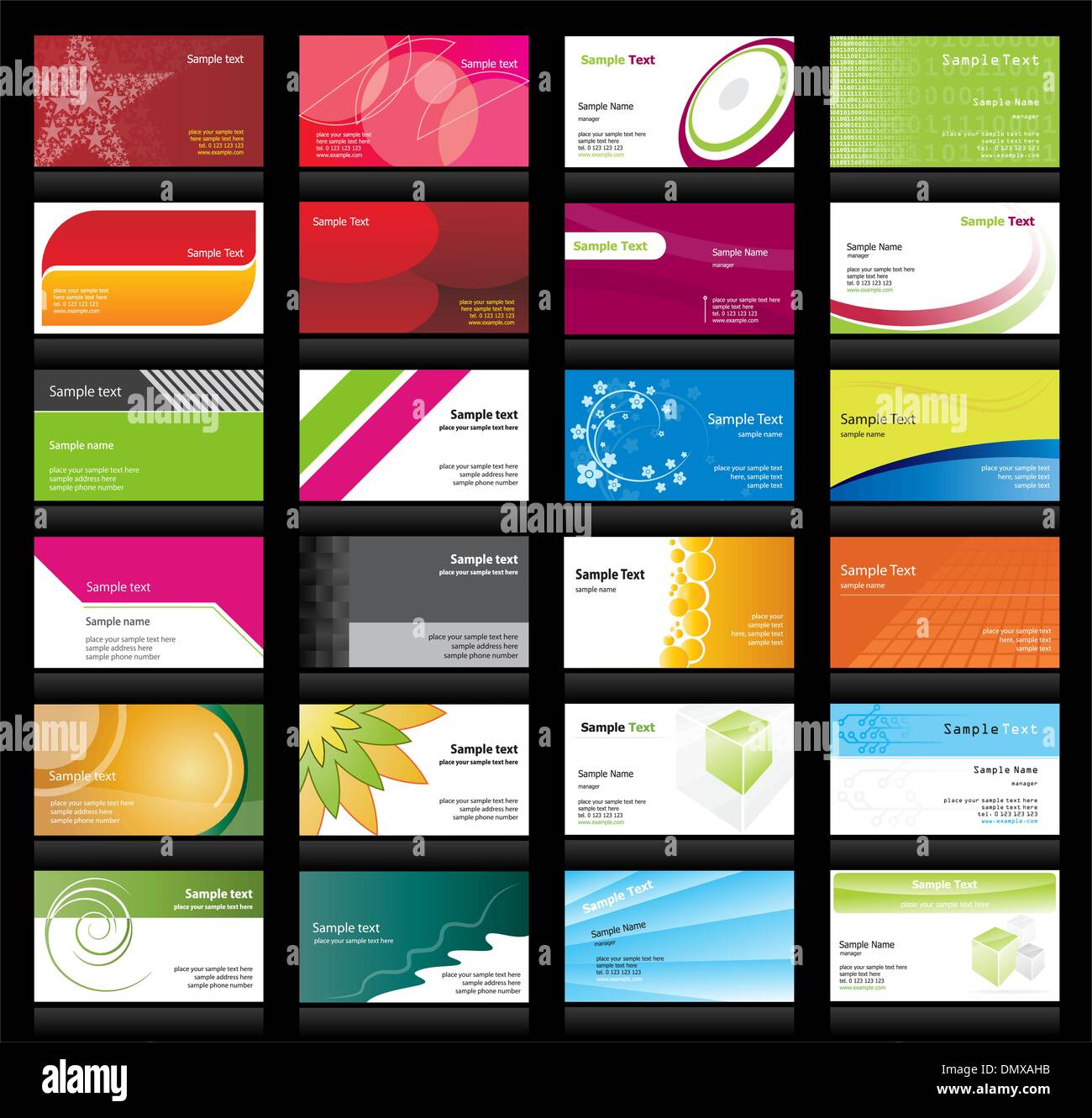
For inspiration, consider the set of business cards shown above. This example demonstrates a balanced use of color, typography, and layout, making it both professional and visually engaging.
The Concept of a Business Card Deck
A business card deck refers to a curated collection of business cards, often used in creative industries or by professionals who want to showcase a range of services or projects. Unlike a single business card, a deck allows you to present multiple facets of your work or personality in a cohesive manner. This approach is particularly popular among designers, artists, and consultants who need to highlight diverse skills or past projects.
For example, a graphic designer might include cards featuring different styles of logos, color schemes, or typography to demonstrate their versatility. Similarly, a consultant could use a deck to showcase case studies, testimonials, or a portfolio of services. The goal is to provide a comprehensive snapshot of what you offer, making it easier for potential clients to understand your capabilities at a glance.
Why Business Card Decks Fascinate People
The fascination with business card decks often stems from their uniqueness and the opportunity they provide to stand out in a crowded professional landscape. Here are some deeper reasons behind this fascination:
- Storytelling: A deck allows you to tell a story about your brand or yourself. Each card can represent a different chapter, making your introduction more dynamic and memorable.
- Creativity: For professionals in creative fields, a deck is a canvas to showcase artistic flair. It breaks the monotony of traditional business cards and sparks curiosity.
- Practicality: In industries where multiple services or products are offered, a deck provides a practical way to present all options without overwhelming the recipient with information.
- Emotional Connection: The tactile experience of flipping through a deck of cards creates a stronger emotional connection compared to a single card. It feels more personal and intentional.
The Business cards Deck on Behance showcases how a well-designed deck can captivate an audience. The use of varied layouts and visual elements makes it an engaging tool for networking.
Common Observations and Pitfalls to Avoid
While business cards and decks are powerful tools, there are common mistakes that can undermine their effectiveness. Being aware of these pitfalls will help you create a more impactful design:
- Overcrowding: Including too much information or too many images can make the card or deck look cluttered and unprofessional. Focus on clarity and essential details.
- Inconsistent Branding: Using mismatched fonts, colors, or styles across cards in a deck can confuse recipients and dilute your brand identity.
- Poor Quality Printing: Low-quality paper or printing can give a negative impression. Invest in high-quality materials to reflect the professionalism you aim to convey.
- Ignoring the Back of the Card: The back of a business card is prime real estate. Use it to include additional information, such as a tagline, social media handles, or a call-to-action.
- Lack of a Clear Call-to-Action: Every business card or deck should guide the recipient on what to do next. Whether it’s visiting your website, scheduling a meeting, or calling you, make it obvious.
How to Distribute Your Business Cards or Deck
The way you distribute your business cards or deck can significantly impact their effectiveness. Here are some strategies to maximize their reach and impact:
- Networking Events: Always carry a stack of cards or a deck with you to networking events, conferences, or trade shows. Hand them out during or after conversations to reinforce your connection.
- Follow-Up: After meeting someone, send a personalized follow-up email or message referencing your conversation and attaching a digital version of your card or deck.
- Strategic Placement: Leave your cards or decks in places where your target audience is likely to see them, such as coffee shops, co-working spaces, or industry-specific locations.
- Digital Integration: Include a QR code on your card or deck that links to your website, portfolio, or LinkedIn profile. This bridges the gap between physical and digital networking.
- Partnerships: Collaborate with complementary businesses to display your cards or decks in their offices or at their events. This can expand your reach to a broader audience.
Conclusion
Business cards and decks are more than just tools for sharing contact information—they are opportunities to make a lasting impression, tell your story, and stand out in a competitive professional landscape. By focusing on thoughtful design, strategic distribution, and avoiding common pitfalls, you can transform these small pieces of paper or digital files into powerful assets for your career or business.
Whether you opt for a classic business card or a creative deck, remember that the key to success lies in aligning your design with your brand identity and ensuring it resonates with your target audience. Invest the time and effort to create something memorable, and you’ll reap the rewards of stronger connections and enhanced professional visibility.
FAQ
What are the key elements of an effective business card?
An effective business card should have legible typography, a consistent color scheme aligned with your brand, appropriate imagery, ample white space, and high-quality material.
How can I distribute my business cards effectively?
Distributing business cards effectively can be achieved through networking events, strategic placement in relevant locations, and digital integration using QR codes.


Leave a Reply