Short Answer
The Celtic Cross Tarot spread is one of the most revered and insightful layouts in the world of divination. Known for its depth and accuracy, this spread has been trusted for centuries to reveal hidden truths, guide decision-making, and shift perspectives. Whether you’re a seasoned tarot reader or a curious beginner, mastering the Celtic Cross can unlock profound clarity in your life. In this guide, you’ll discover the history, structure, and interpretation of this legendary spread, along with practical tips to harness its power. Prepare to see your challenges—and yourself—in a whole new light.
The History and Significance of the Celtic Cross Tarot Spread
The Celtic Cross Tarot spread traces its origins to ancient Celtic traditions, where crosses were symbols of cosmic balance and spiritual connection. While its exact origins are debated, the spread gained popularity in the early 20th century, thanks to influential tarot figures like A.E. Waite and Arthur Edward Waite, who included it in their iconic Rider-Waite deck. Unlike simpler spreads, the Celtic Cross is designed to explore not just a single question but the intricate web of influences surrounding it.
This spread is often called “the spread that never lies” because it doesn’t just provide answers—it reveals the underlying dynamics of a situation. It forces us to confront uncomfortable truths, question our assumptions, and see beyond surface-level illusions. For those willing to engage with its depth, the Celtic Cross becomes a mirror, reflecting not only the querent’s external circumstances but also their inner landscape.
The beauty of this spread lies in its adaptability. Whether you’re seeking guidance on love, career, or personal growth, the Celtic Cross can be tailored to any inquiry. Its ten-card structure ensures that no aspect of a situation is overlooked, making it a favorite among professional readers and spiritual seekers alike.
Understanding the Celtic Cross Layout: A Map of Your Journey
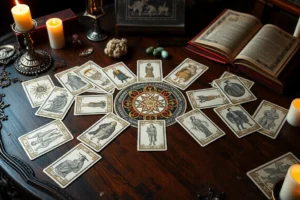
The Celtic Cross consists of ten cards, each occupying a specific position with a unique meaning. While variations exist, the traditional layout is as follows:
- Card 1 (The Present): Represents the current situation or the heart of the matter.
- Card 2 (The Challenge): Highlights the immediate obstacle or opposing force.
- Card 3 (The Subconscious): Reveals hidden influences, fears, or motivations.
- Card 4 (The Past): Shows past events that have shaped the current situation.
- Card 5 (The Conscious): Reflects the querent’s conscious thoughts or intentions.
- Card 6 (The Near Future): Offers a glimpse of what’s likely to unfold soon.
- Card 7 (The Self): Represents the querent’s inner self, personality, or role in the situation.
- Card 8 (External Influences): Highlights people, environments, or external factors at play.
- Card 9 (Hopes/Fears): Uncovers the querent’s deepest hopes or anxieties about the situation.
- Card 10 (Final Outcome): Provides insight into the likely resolution if current trends continue.
This structure creates a dynamic narrative, allowing the reader to piece together a story rather than just receive isolated answers. The interplay between cards often reveals contradictions, surprises, and unexpected twists, making the Celtic Cross a powerful tool for self-discovery.

How to Read the Celtic Cross: Interpreting the Cards
Reading the Celtic Cross is less about memorizing card meanings and more about weaving a cohesive narrative from the ten positions. Here’s a step-by-step approach to interpretation:
- Start with the Present (Card 1): This card sets the stage. Ask yourself: What is the core issue here? Is it a relationship, a career dilemma, or a personal struggle?
- Analyze the Challenge (Card 2): This card often reveals what’s standing in the way. Is it self-doubt, external opposition, or a past mistake?
- Explore the Subconscious (Card 3): This is where intuition comes into play. Look for patterns, symbols, or archetypes that hint at deeper motivations.
- Examine the Past (Card 4): How have past events shaped the current situation? This card can provide context and clarity.
- Consider the Conscious (Card 5): How does the querent perceive the situation? Are their intentions aligned with their actions?
- Look to the Near Future (Card 6): This card offers a preview of what’s on the horizon. Is it a warning, an opportunity, or a neutral event?
- Reflect on the Self (Card 7): How does the querent’s personality influence the situation? Are they playing an active or passive role?
- Identify External Influences (Card 8): Who or what is affecting the outcome? This could be people, societal norms, or environmental factors.
- Uncover Hopes and Fears (Card 9): This card is often the most revealing. What is the querent truly afraid of? What do they secretly desire?
- Synthesize the Final Outcome (Card 10): Does this card align with the querent’s expectations? If not, what adjustments are needed?
Remember, the Celtic Cross is not a rigid formula but a fluid conversation between the cards and the reader. Trust your intuition, and don’t be afraid to challenge conventional interpretations. Sometimes, the most profound insights come from unexpected card pairings.
Common Pitfalls and How to Avoid Them
While the Celtic Cross is a powerful tool, it’s not without its challenges. Here are some common mistakes to avoid:
- Overcomplicating the Spread: It’s easy to get lost in the ten cards, but focus on the core narrative. Ask yourself: What is the central theme here?
- Ignoring Card Interactions: The relationships between cards are just as important as their individual meanings. Look for patterns, contrasts, and surprises.
- Relying Too Heavily on Guidebooks: While reference materials are helpful, don’t let them stifle your intuition. The Celtic Cross is as much about art as it is about science.
- Forcing a Positive Outcome: The spread doesn’t always provide a happy ending. Sometimes, it reveals harsh truths—embrace them as opportunities for growth.
- Skipping the Reflection Step: After a reading, take time to journal your insights. How do the cards resonate with your current life? What actions can you take?
By staying mindful of these pitfalls, you’ll develop a more nuanced and authentic approach to the Celtic Cross.
Practical Tips for Mastering the Celtic Cross
Like any skill, reading the Celtic Cross improves with practice. Here are some tips to deepen your understanding:
- Practice Regularly: Pull a Celtic Cross spread weekly, even if it’s just for self-reflection. The more you work with it, the more intuitive it becomes.
- Use a Journal: Document your readings, noting card positions, interpretations, and any synchronicities you notice. Over time, you’ll see patterns emerge.
- Experiment with Variations: Some readers add clarifying cards or modify positions to suit their needs. Don’t be afraid to adapt the spread to your style.
- Study Card Combinations: Certain cards naturally pair well together, while others create tension. Familiarize yourself with these dynamics to enhance your readings.
- Seek Feedback: If possible, discuss your interpretations with other tarot readers. Fresh perspectives can reveal blind spots in your analysis.
The Celtic Cross is more than a divination tool—it’s a gateway to self-awareness. The more you engage with it, the more it will reveal about the hidden layers of your life.
Conclusion: Embrace the Shift
The Celtic Cross Tarot spread is a transformative experience, offering more than just answers—it provides a shift in perspective. By confronting the challenges, hidden influences, and subconscious patterns it reveals, you gain the clarity needed to navigate life’s complexities. Whether you’re seeking guidance on a specific issue or simply exploring your inner world, this spread promises to illuminate paths you may have overlooked.
Remember, the Celtic Cross doesn’t just predict the future; it empowers you to shape it. Approach each reading with an open mind and a willingness to grow, and you’ll unlock its full potential. The cards are waiting—what will they show you?
FAQ
What is the Celtic Cross Tarot spread?
The Celtic Cross Tarot spread is a ten-card layout used in tarot readings that addresses various aspects of a situation, providing insights into the querent’s current state, challenges, and potential outcomes.
How do you interpret the Celtic Cross Tarot spread?
Interpreting the Celtic Cross involves analyzing each card’s position to create a cohesive narrative, focusing on the relationships between the cards rather than just their individual meanings.
What are common mistakes in reading the Celtic Cross?
Common mistakes include overcomplicating the spread, ignoring card interactions, and relying too heavily on guidebooks instead of trusting one’s intuition.
Leave a Reply