Short Answer
Welcome to your comprehensive guide on the Celtic Cross Tarot spread, with a special focus on the Chariot card and the Court Cards. By the end of this article, you’ll understand how these powerful cards interact, how to interpret their poses, and how to pose playful yet insightful questions to deepen your readings. Whether you’re a seasoned reader or just beginning your tarot journey, this guide will help you unlock new layers of meaning in your spreads.
The Celtic Cross Spread: A Foundation for Insight
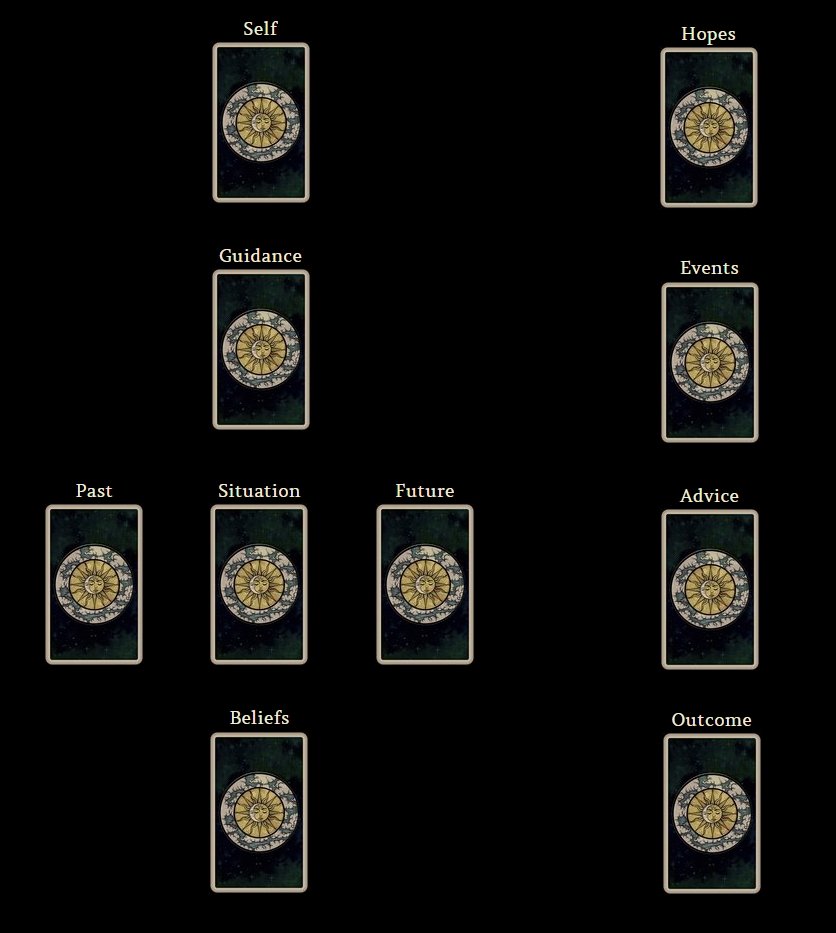
The Celtic Cross is one of the most iconic tarot spreads, offering a rich tapestry of meaning through its ten-card layout. Each position represents a different aspect of a situation, from the central challenge to external influences and potential outcomes. The spread’s structure allows for deep storytelling, making it ideal for exploring complex questions—especially when the Chariot and Court Cards enter the picture.

Traditionally, the Celtic Cross begins with the present situation (Card 1) and unfolds through layers of past influences (Card 2), subconscious factors (Card 3), and external obstacles (Card 4). The Chariot often appears in positions that highlight determination, control, or a crossroads, while Court Cards—such as the Page of Cups or the Knight of Swords—add personality, energy, and dynamic interactions to the narrative. Together, they create a vivid tableau of the querent’s journey.
Decoding the Chariot: Victory Through Willpower
The Chariot is a card of triumph, ambition, and forward motion. Depicted as a warrior riding a chariot pulled by two sphinxes (or horses in some decks), the card symbolizes the harnessing of opposing forces—control over conflicting energies to achieve a goal. The Chariot’s pose is dynamic: the charioteer stands tall, often holding a wand or scepter, with a crown or star above their head, signifying victory and divine favor.
In the Celtic Cross, the Chariot’s appearance can indicate a need for determination, a battle being won, or a journey requiring focus. If it lands in the “past” position, it suggests the querent has already overcome significant challenges. In the “future” position, it may signal a call to action—time to steer your life in a new direction. The Chariot’s energy is assertive; it asks: Are you in the driver’s seat, or are you being pulled in directions you didn’t choose?
Court Cards: The Personalities Shaping Your Spread
Court Cards—Pages, Knights, Queens, and Kings—represent people, energies, or aspects of the querent’s personality. In the Celtic Cross, they often embody external influences, hidden motivations, or the querent’s own traits. For example, the Knight of Wands might appear as a burst of inspiration or a reckless impulse, while the Queen of Pentacles could symbolize nurturing stability or financial security.
When interpreting Court Cards in poses, pay attention to their body language. A Page of Swords leaning forward with wide eyes suggests curiosity or gossip, while a King of Cups with crossed arms may indicate emotional control or suppression. The challenge? Court Cards can be ambiguous—are they allies, obstacles, or reflections of the querent? Ask: Who holds the reins here—the querent, an external force, or an internal conflict?

Poses and Playful Questions: Bringing the Cards to Life
To deepen your readings, engage with the cards’ poses as if they were characters in a story. Ask playful yet probing questions: Why is the Chariot’s charioteer smiling? Is it confidence or arrogance? For Court Cards, consider: What is the Knight of Cups hiding in their cloak? Is the Queen of Swords’ stern gaze a warning or a challenge? These questions transform static images into dynamic interactions.
A fun exercise is to “cast” the Court Cards as people in the querent’s life. For instance, if the Knight of Pentacles appears in the “external influences” position, ask: Is this person reliable, or are they holding the querent back with slow progress? The Chariot’s pose might inspire: What obstacles are the sphinxes overcoming, and how can the querent emulate that strength?
The Challenge: When the Chariot and Court Cards Clash
Not all interactions are harmonious. The Chariot’s drive for control can clash with a Court Card’s unpredictability. For example, the Knight of Swords’ impulsiveness might derail the Chariot’s careful plans, or the Queen of Wands’ fiery independence could resist the Chariot’s need for structure. This tension creates a compelling narrative: Is the querent’s ambition being sabotaged by their own personality, or by someone else’s?
To resolve such conflicts, look for cards that bridge the gap—perhaps a Temperance card to moderate extremes or a Justice card to weigh decisions. The challenge lies in asking: Where is the querent forcing control, and where are they ignoring their own inner voices?
Conclusion: Your Celtic Cross Story Awaits
The Celtic Cross is more than a spread—it’s a living story where the Chariot’s determination and the Court Cards’ personalities collide and collaborate. By studying their poses, asking playful questions, and embracing the challenges they present, you transform a simple reading into a profound exploration of the querent’s journey. Next time the Chariot and Court Cards appear together, remember: the cards are not just symbols; they’re guides, allies, and sometimes, the very obstacles you must overcome.
FAQ
What is the Celtic Cross Tarot spread?
The Celtic Cross is a ten-card tarot spread that provides insights into various aspects of a situation, including challenges, influences, and outcomes.
What does the Chariot card signify in tarot?
The Chariot represents triumph, determination, and control, often indicating a need for focus and direction in one’s life.
How should Court Cards be interpreted in a reading?
Court Cards can represent people, energies, or traits related to the querent, often embodying external influences or hidden motivations.
Leave a Reply