Short Answer
Have you ever felt trapped in a cycle of overthinking, trying to control every outcome, only to realize that the harder you grip, the more elusive your peace becomes? Or perhaps you’ve experienced the opposite—the overwhelming urge to let go, but fear keeps you clinging to what no longer serves you. These internal tugs-of-war are universal, yet their roots often remain hidden beneath the surface. In this guide, we’ll explore how tarot cards can illuminate the hidden struggles between control and surrender, revealing why this duality fascinates us and how to navigate it with clarity.
The Psychology Behind Control and Letting Go
At its core, the tension between control and letting go is a reflection of human nature’s dual instincts: the desire for security and the need for freedom. Psychologically, control offers a false sense of safety—it’s the illusion that if we micromanage every detail, we can prevent chaos or failure. Yet, this approach often leads to burnout, anxiety, and a sense of disconnection from the natural flow of life. On the other hand, letting go doesn’t imply passivity; it’s an act of trust in the universe’s timing and our own resilience. The fascination with this dichotomy stems from its paradoxical nature: we crave control when life feels uncertain, yet we’re drawn to the freedom of surrender when control becomes a burden. Tarot cards act as a mirror, reflecting these internal conflicts and guiding us toward balance.
Key Tarot Cards That Highlight the Struggle
Certain tarot cards serve as powerful symbols of the control vs. let-go dynamic. Here are the most telling ones:
The Hanged Man: The Art of Surrender
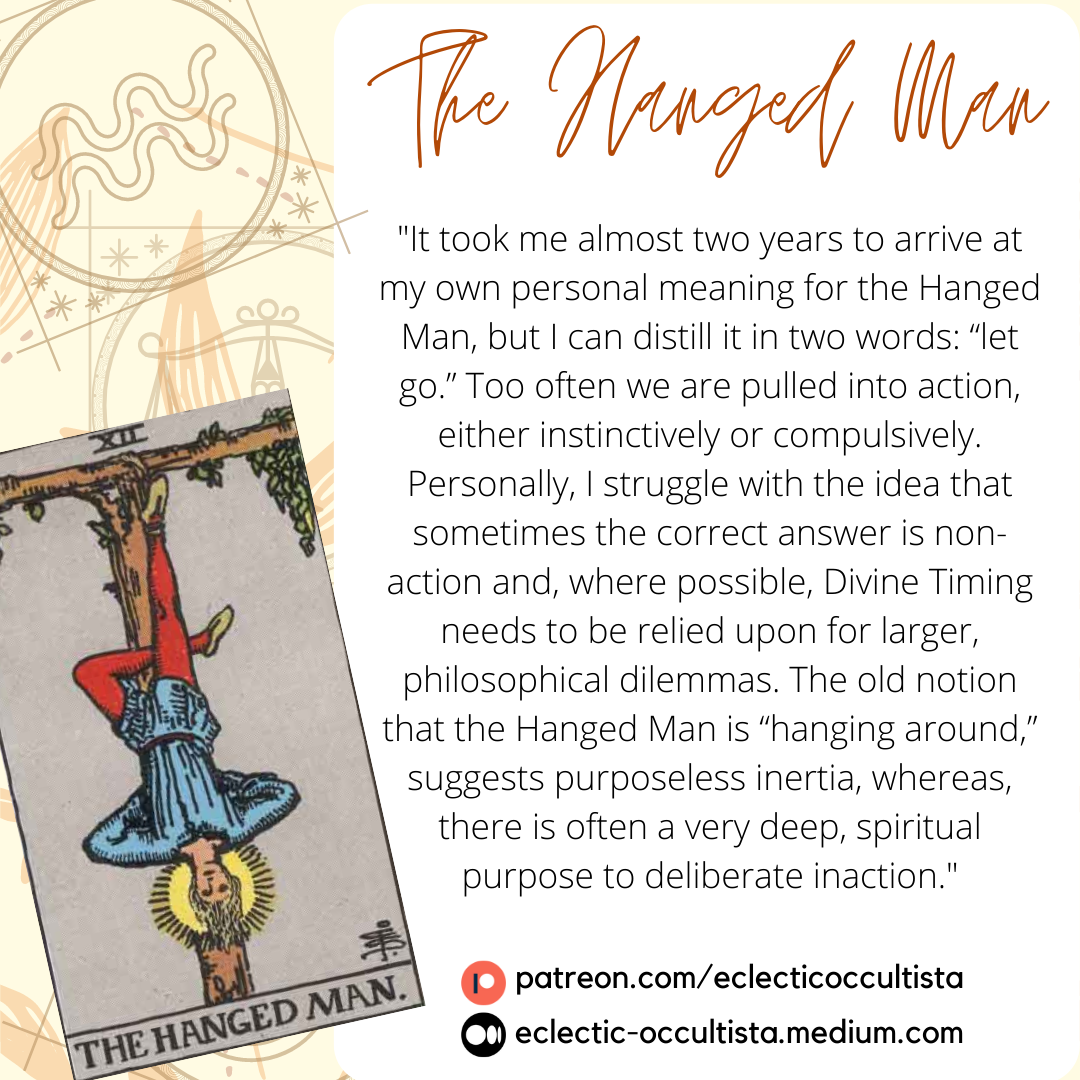
The Hanged Man is perhaps the most iconic card representing the power of letting go. In its imagery, a figure hangs upside down, bound but serene, suggesting that sometimes, the greatest freedom comes from releasing resistance. This card often appears when you’re holding onto a situation, person, or outcome too tightly, and it’s urging you to shift your perspective. Instead of forcing solutions, The Hanged Man teaches that clarity often comes from stillness and trust. It’s a reminder that control is an illusion, and true progress lies in surrendering to the unknown.
Strength: Mastering Inner Control
While The Hanged Man embodies external surrender, the Strength card represents the mastery of internal control. Depicting a figure gently taming a lion, this card symbolizes the power of compassion, patience, and emotional regulation. It suggests that true strength isn’t about domination but about harnessing your inner calm to navigate challenges. When this card appears, it’s a sign that you’re being called to channel your energy wisely—neither suppressing your emotions nor letting them control you. Instead, Strength encourages you to find harmony between action and acceptance.
The Tower: The Illusion of Control Crumbling
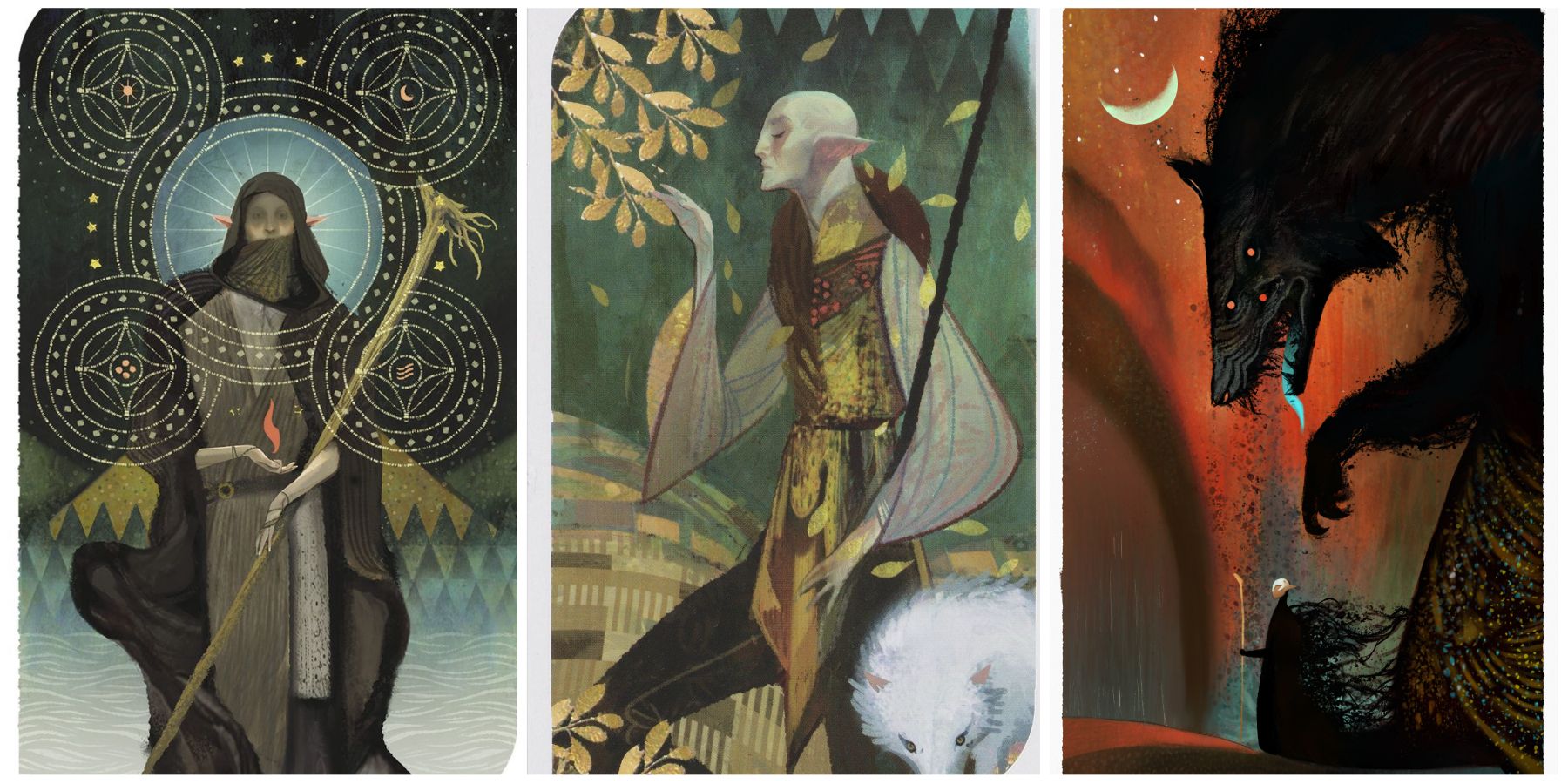
The Tower is the card of sudden upheaval—a stark reminder that no matter how much we try to control our lives, external forces can disrupt our plans. This card often appears when you’re clinging to a situation that’s no longer sustainable, and it serves as a wake-up call. The Tower doesn’t just destroy; it clears the way for something new. Its appearance is a sign that your need for control has reached its limit, and it’s time to release what no longer aligns with your highest good. While unsettling, The Tower’s message is ultimately liberating: sometimes, the most profound growth comes from letting go of what’s already broken.
The Star: Trusting the Flow of Letting Go

The Star is the card of hope, inspiration, and faith in the unknown. It often appears after a period of turmoil, signaling that it’s safe to release your grip and trust the journey. Unlike The Hanged Man, which focuses on surrendering to the present, The Star encourages you to look ahead with optimism. It’s a reminder that letting go isn’t about giving up—it’s about making space for miracles. When this card appears, it’s a sign that the universe is conspiring in your favor, and your job is to stay open to receiving.
Practical Steps to Balance Control and Surrender
Understanding these tarot cards is only the first step. The real transformation happens when you apply their wisdom to your daily life. Here’s how to strike a balance between control and letting go:
1. Identify Your Triggers
Start by noticing when you feel the urge to control or resist letting go. Is it during times of uncertainty? When facing a major decision? Or perhaps when someone challenges your perspective? Journaling can help you spot patterns and recognize the deeper fears driving your behavior—fear of failure, abandonment, or the unknown.
2. Practice the “5-Second Rule”
When you catch yourself overanalyzing or resisting change, use the “5-second rule” from Mel Robbins: count down from 5 and physically move (e.g., take a deep breath, stand up, or walk away). This interrupts the cycle of overthinking and creates space for intuition to guide you. It’s a small but powerful way to shift from control to trust.
3. Create a “Release Ritual”
Letting go isn’t just a mental exercise—it’s an embodied practice. Try writing down what you’re holding onto (a fear, a grudge, a plan) and then burn the paper (safely) or tear it up. Pair this with a mantra like, “I release what no longer serves me.” Rituals help your subconscious process the act of surrendering.
4. Reframe Your Language
Notice how you talk about control and letting go. Instead of saying, “I need to control this,” try, “I’m open to guidance.” Replace “I can’t let go” with “I trust the process.” Language shapes your mindset, and small shifts can make a big difference in how you perceive challenges.
Common Misconceptions About Control and Letting Go
Many people associate letting go with weakness or failure, while control is often glorified as strength. These misconceptions can keep you stuck in cycles of stress and resistance. Let’s debunk them:
Myth 1: Letting Go Means Giving Up
Letting go isn’t about quitting—it’s about recognizing when something is beyond your control. It’s the difference between fighting a current and learning to swim with it. For example, letting go of a toxic relationship isn’t giving up on love; it’s making space for healthier connections.
Myth 2: Control Equals Success
While control can create temporary stability, it often stifles creativity and adaptability. History’s greatest innovators—from artists to scientists—thrive in environments where they embrace uncertainty. Control might get you to the finish line, but surrender often leads you to the right finish line.
Myth 3: You Can’t Do Both
Balance isn’t about choosing one over the other; it’s about knowing when to apply each. For instance, you might control your spending habits (taking charge of your finances) while letting go of the need to micromanage others’ opinions. The key is discernment—using control where it serves you and surrendering where it doesn’t.
Conclusion
The dance between control and letting go is a lifelong journey, but tarot cards offer a roadmap to navigate its complexities. Whether you’re grappling with The Hanged Man’s call to surrender, The Tower’s disruptive wake-up call, or The Star’s promise of hope, these cards remind you that neither control nor release is permanent—they’re tools for growth. The next time you feel the tension between holding on and letting go, pull a card, reflect on its message, and ask yourself: Where can I trust more? Where do I need to take charge? The answers lie not in rigid rules but in the wisdom of your own intuition.
FAQ
What does The Hanged Man card symbolize in relation to control?
The Hanged Man symbolizes surrender and the power of letting go, urging a shift in perspective and trust in the unknown rather than forcing control.
How does the Strength card relate to control?
Strength represents mastering internal control through compassion, patience, and emotional regulation, encouraging harmony between action and acceptance.
What is the message of The Tower card regarding control?
The Tower signals the collapse of illusions of control, indicating upheaval and the need to release what no longer serves you for growth.
Why is The Star card important for letting go?
The Star encourages hope and faith in the journey ahead, motivating trust in the process and openness to positive change after difficult times.
Can control and letting go coexist?
Yes, balancing control and surrender is about knowing when to take charge and when to trust the flow, using discernment to navigate life's challenges.

Leave a Reply