Short Answer
The world of tarot is a mirror to the soul, reflecting emotions, desires, and subconscious whispers that logic often overlooks. Among the 78 cards in the deck, the Cups suit stands out as a vibrant tapestry of feelings—raw, unfiltered, and deeply human. Unlike the rigid structures of logic, emotions don’t follow a straight path; they ebb and flow like tides, defying reason and demanding attention. In this guide, we’ll explore the Cups tarot cards through the lens of feelings that transcend logic, uncovering their unique appeal and the metaphors they offer. Whether you’re a seasoned reader or a curious seeker, prepare to dive into a realm where the heart speaks louder than the mind.
The Cups Suit: A Symphony of Emotions
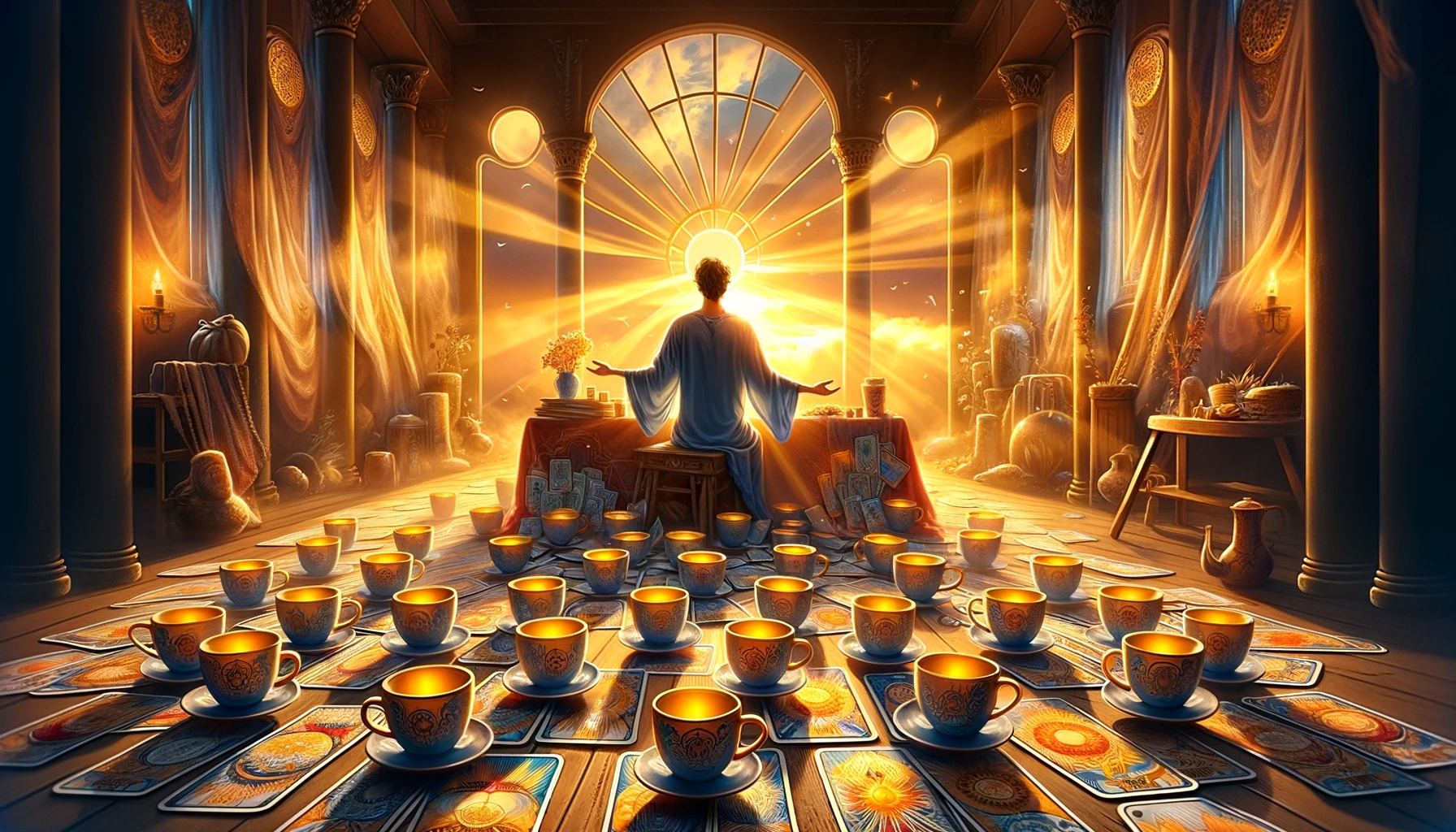
The Cups suit, also known as the suit of chalices or hearts, represents the emotional landscape of our lives. Each card in this suit—from the Ace to the King—encapsulates a different facet of human sentiment, from joy and love to sorrow and apathy. Unlike the logical precision of the Swords or the material focus of the Pentacles, Cups cards thrive in ambiguity, ambiguity that mirrors the complexity of feelings. They remind us that emotions are not binary; they are fluid, contradictory, and often illogical. A single moment can hold both elation and grief, and the Cups suit captures this duality effortlessly.
The Ace of Cups, for instance, is the purest expression of emotional beginnings—a flood of love, intuition, or spiritual awakening. It doesn’t ask for a reason; it simply is. Similarly, the Three of Cups celebrates joy in its most unapologetic form, a celebration that doesn’t need a logical explanation. These cards teach us that feelings don’t require justification; they simply are, and that’s their power.
When Logic Fails: The Irrational Beauty of Feelings
Feelings are the rebels of the human experience. They don’t adhere to cause-and-effect, nor do they respect the boundaries of time or space. The Cups suit embodies this irrationality, offering a counterpoint to the cold calculations of logic. Consider the Five of Cups, a card that often depicts a figure staring at three spilled cups, oblivious to the two standing behind them. This image is a metaphor for grief and loss, but it also highlights how emotions can blind us to what’s still good in our lives. Logic would tell us to count our blessings, but feelings don’t work that way. They demand to be felt, even when it hurts.
The Six of Cups, on the other hand, is a nostalgic embrace of the past, a longing for simpler times that may never return. This card doesn’t care if the past was objectively better; it simply feels better. It’s a reminder that emotions are not bound by reality. They are shaped by memory, perception, and the stories we tell ourselves. The Cups suit doesn’t ask us to justify our feelings; it asks us to honor them, even when they defy logic.

The Metaphors of the Cups: Feelings as Living Entities
The Cups suit is rich with metaphors that personify emotions as living, breathing entities. The Queen of Cups, for example, is the embodiment of emotional intelligence—compassionate, intuitive, and deeply empathetic. She doesn’t rely on logic; she trusts her gut and her heart. Similarly, the Knight of Cups is the romantic idealist, riding into the sunset on a quest for love and inspiration. He doesn’t calculate the odds of success; he follows his heart, even if it leads him astray.
These metaphors extend to the darker aspects of the Cups suit as well. The Ten of Cups depicts a scene of familial bliss, but it also serves as a reminder that our emotional needs are often tied to our relationships. What happens when those relationships fail? The Two of Cups, a card of partnership and mutual affection, can also symbolize the pain of unrequited love or betrayal. The Cups suit doesn’t shy away from these contradictions; it embraces them, offering a space where feelings can coexist in all their messy glory.
The Allure of the Cups: Why We’re Drawn to Emotional Depth
There’s a unique appeal to the Cups suit that logic-based cards simply can’t replicate. It’s the allure of the irrational—the idea that feelings are not just valid but essential to our humanity. In a world that often prioritizes efficiency and rationality, the Cups remind us that we are not machines. We are beings of passion, longing, and vulnerability. The Cups suit speaks to our deepest desires, our unspoken fears, and our capacity for love and joy.
Consider the Eight of Cups, a card that depicts a figure walking away from eight cups, leaving them behind. This card is about emotional withdrawal, a decision to leave behind what no longer serves us. It’s a deeply personal choice, one that can’t be explained to someone who doesn’t feel the same pull. The Cups suit doesn’t offer easy answers; it offers a mirror, reflecting the complexities of our inner lives.
This allure is why the Cups suit resonates so deeply with people. It validates our emotions, even when they don’t make sense. It gives us permission to feel, to grieve, to love, and to hope—without apology. In a society that often dismisses feelings as “irrational” or “unproductive,” the Cups suit is a rebellion, a celebration of the heart’s wisdom.
Conclusion
The Cups tarot cards are a testament to the power of feelings—their irrationality, their depth, and their unapologetic existence. They remind us that emotions are not obstacles to overcome but guides to follow, even when they defy logic. Whether you’re seeking insight into a relationship, a career path, or your own inner world, the Cups suit offers a language of the heart that transcends words.
So the next time you draw a Cups card, don’t ask why. Don’t seek a logical explanation. Instead, ask yourself: What does this feeling want me to know? The answer may surprise you. The Cups suit doesn’t care about logic—it cares about truth, and truth is often found in the places where reason falters.
FAQ
What do Cups represent in Tarot?
Cups represent emotions, relationships, and feelings in the tarot, highlighting the complexities of human sentiment.
Why are feelings important in tarot readings?
Feelings are important as they guide insights into personal experiences and relationships, often revealing deeper truths.
Leave a Reply