Short Answer
Welcome to this comprehensive guide on the Death Tarot Card—one of the most misunderstood yet powerful cards in the deck. Whether you’re a seasoned tarot reader or a curious beginner, this article will help you understand the Death card’s true meaning, its symbolism, and how it appears in different types of readings. You’ll learn about its role in love, career, personal growth, and spiritual development. By the end, you’ll see why the Death card isn’t about literal endings but about transformation, rebirth, and necessary change.
The Death Tarot Card: Beyond the Misconceptions
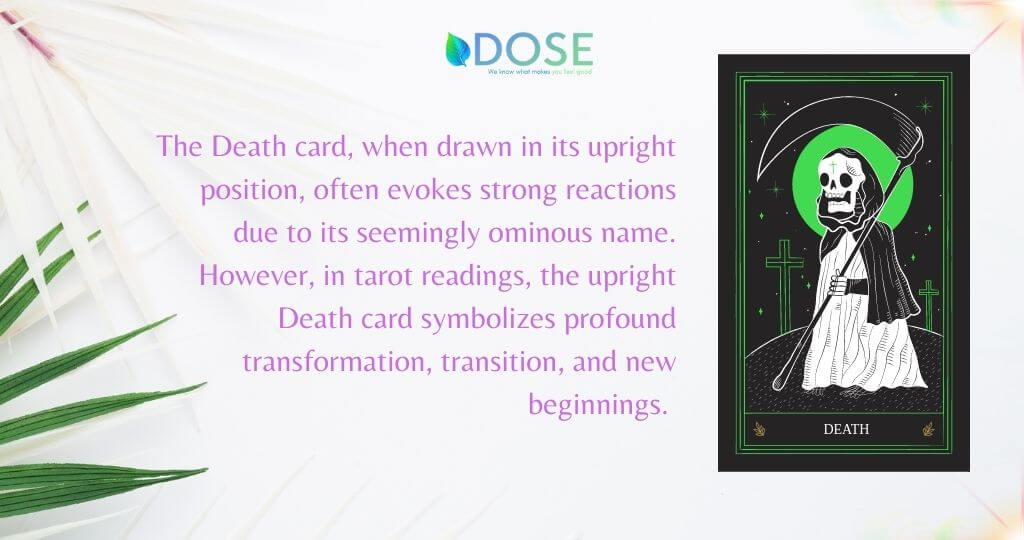
The Death card is often feared due to its name and ominous imagery—a skeletal figure on horseback, carrying a black flag adorned with a white rose. Many assume it predicts physical death or tragedy, but this interpretation is a common misconception. In tarot, Death symbolizes transformation, endings, and rebirth. It marks the closure of one chapter so a new one can begin. Think of it as the phoenix rising from ashes—necessary destruction paves the way for growth.
In readings, the Death card signals major life changes. These could be the end of a relationship, a career shift, moving to a new place, or letting go of old habits. It’s not about loss in a negative sense but about shedding what no longer serves you. The card encourages surrender to the natural cycles of life, trusting that what follows will be more aligned with your true self.
Symbolism and Imagery: Decoding the Death Card
The Death card’s imagery is rich with symbolism that reveals its deeper meaning. The skeletal figure represents the impermanence of life and the inevitability of change. Unlike living figures, a skeleton is timeless, reminding us that all things must pass. The black armor and horse symbolize strength and inevitability—change is not optional, but it is powerful.
The white rose on the black flag is a key symbol. White represents purity, spiritual awakening, and new beginnings, while black signifies the unknown or the unconscious. Together, they suggest that even in endings, there is hope and spiritual renewal. The rising sun in the background hints at a new dawn after darkness. Other minor figures in the card often show people in various states of transition—some mourning, some welcoming change—highlighting that reactions to transformation vary widely.

Death in Love and Relationships: When Love Ends or Transforms
In love readings, the Death card often indicates the end of a relationship—but not necessarily a bad one. It may signal the closure of a chapter that has run its course, allowing both partners to grow individually. This could mean a breakup, divorce, or simply the natural evolution of a long-term partnership. The card doesn’t always mean heartbreak; it can also herald a deep transformation within the relationship, such as moving from romance to friendship or embracing a new phase like parenthood or shared purpose.
If you’re single, the Death card may suggest letting go of past relationships or emotional baggage that’s holding you back. It’s a call to release old patterns so you can welcome a healthier, more authentic connection. The card encourages you to ask: What needs to die in my love life so something better can live?

Career and Finances: Endings That Lead to Growth
When the Death card appears in career or financial readings, it signals a major shift in your professional life. This could mean leaving a job that no longer fulfills you, ending a business venture, or letting go of financial habits that aren’t serving your goals. It’s not about failure—it’s about recognizing when a path has reached its natural conclusion.
For entrepreneurs or freelancers, the Death card may indicate the need to pivot your business model or release a project that’s draining your energy. In finances, it could point to paying off old debts, closing a chapter of overspending, or ending a financial dependency. The card reassures you that these endings are necessary for future stability and success. Trust that what follows will be more aligned with your purpose and values.
Personal Growth and Spiritual Transformation
The Death card is deeply tied to personal evolution and spiritual awakening. It asks you to examine your beliefs, habits, and identity. Are you holding onto roles, identities, or beliefs that no longer fit? The Death card invites you to surrender what’s outdated so you can step into a more authentic version of yourself.
This card often appears during periods of intense self-reflection, such as after a loss, during a midlife crisis, or when you feel spiritually stagnant. It’s a sign that you’re being called to grow—even if the process feels uncomfortable. Meditation, journaling, or therapy can help you navigate this transformation with clarity and grace.
In shadow work, the Death card represents confronting your fears of change. It challenges you to release control and trust the universe’s timing. Remember: every ending is a setup for a new beginning.
How to Interpret the Death Card in Different Spreads
The meaning of the Death card can shift depending on its position in a tarot spread and the cards surrounding it. Here’s how to interpret it in common layouts:
- Past Position: Indicates a recent ending or transformation that has shaped your current situation. Reflect on what you’ve already released.
- Present Position: Signals that you’re in the midst of a significant change. Acknowledge the emotions and trust the process.
- Future Position: Points to an upcoming transformation. Prepare mentally and emotionally for what’s to come.
- Advice Position: Encourages you to embrace change rather than resist it. Let go of what’s holding you back.
- Challenge Position: May highlight your fear of change or resistance to necessary endings. Work on surrendering control.
When paired with positive cards like The Sun or The Star, the Death card’s message is uplifting—change leads to joy and hope. With challenging cards like The Tower or Five of Cups, it may indicate a painful but necessary release.
Common Questions About the Death Card
Q: Does the Death card always mean someone will die?
A: No. While it can indicate physical death in rare cases (especially in health readings), it most often symbolizes metaphorical endings—relationships, jobs, habits, or outdated mindsets.
Q: How do I know if the Death card is positive or negative?
A: The card’s tone depends on context. If it’s surrounded by supportive cards, it’s likely a positive sign of growth. If it’s with challenging cards, it may indicate a difficult but necessary change. Trust your intuition.
Q: What should I do when I draw the Death card?
A: Reflect on what needs to end in your life. Journal about your feelings, meditate on release, and be open to new possibilities. Avoid clinging to the past.
Conclusion: Embracing the Power of Endings
The Death Tarot Card is not a harbinger of doom—it’s a messenger of transformation. It reminds us that endings are a natural and necessary part of life’s journey. Whether it appears in love, career, or personal growth readings, its message is consistent: what is ending is making space for what is meant to be.
Instead of fearing the Death card, welcome it as a guide through life’s inevitable cycles. By releasing what no longer serves you, you create room for renewal, growth, and deeper fulfillment. Trust the process, even when it feels uncertain. After all, every sunset is followed by a sunrise—and every ending is followed by a new beginning.
Leave a Reply