Short Answer
The Death Tarot card often evokes fear and misunderstanding due to its ominous name, but in relationships, it carries a profound message of transformation rather than literal endings. Whether you’re navigating a romantic partnership, friendship, or familial bond, the Death card signals a necessary shift—one that paves the way for renewal and growth. In this guide, you’ll explore the multifaceted meanings of the Death Tarot card in relationships, learn how to interpret its symbolism, and discover actionable steps to embrace its transformative energy. By the end, you’ll understand how to recognize when a relationship is evolving, how to let go of what no longer serves you, and how to welcome new beginnings with clarity and confidence.
The Death Tarot Card: Symbolism and Core Meaning
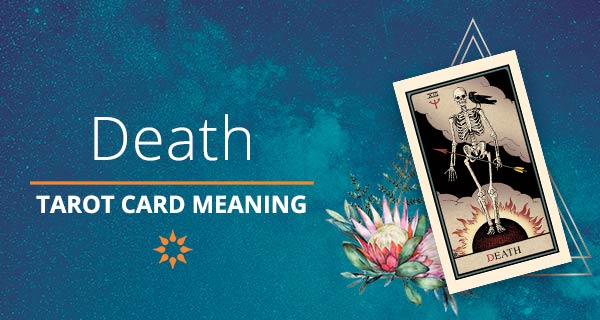
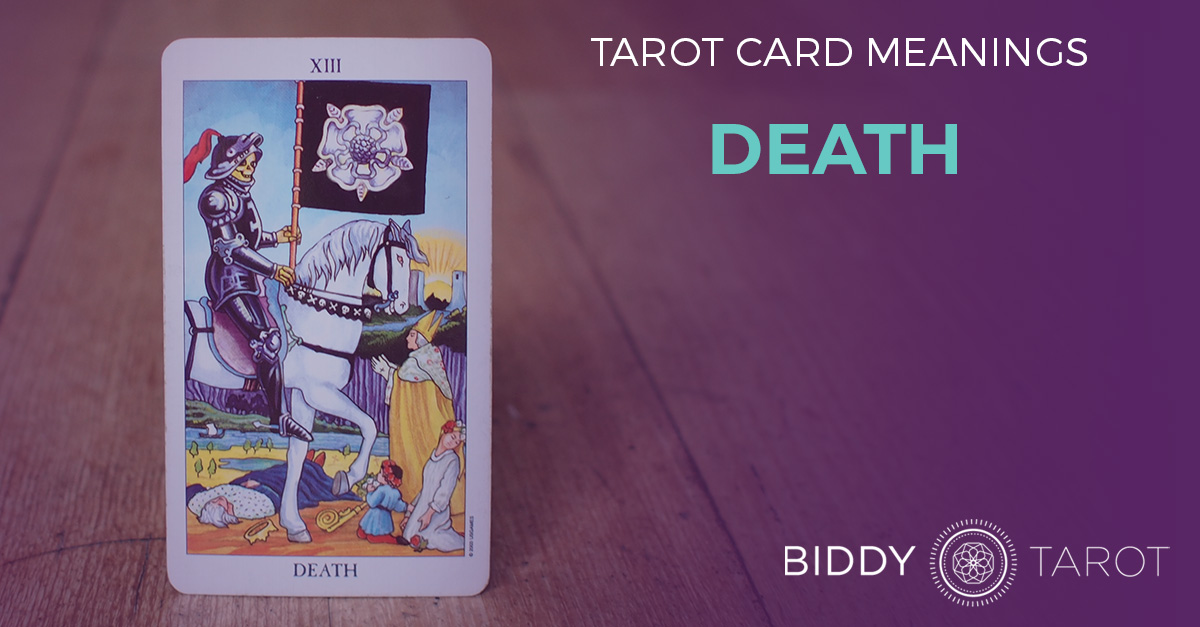
The Death Tarot card, often numbered XIII in traditional decks, is rich with symbolism that transcends its name. At its core, it represents the end of a cycle, not necessarily the end of a relationship itself. The imagery typically depicts a skeletal figure on horseback, often holding a black flag adorned with a white rose—a symbol of purity amidst transformation. The rising sun in the background signifies rebirth and hope, while the fallen figures in the foreground suggest the shedding of old patterns or beliefs.
In relationships, the Death card is a harbinger of change. It doesn’t always mean a breakup; instead, it may indicate the dissolution of toxic dynamics, outdated roles, or unfulfilling expectations. For example, a long-term partnership might undergo a period of reinvention where both individuals grow in new directions. Alternatively, it could signal the end of a friendship that has run its course or the transformation of a family dynamic as roles shift. The key is to view the Death card as a catalyst for positive evolution rather than a warning of doom.
Death in Romantic Relationships: When Love Needs to Change
In romantic relationships, the Death card often appears when a partnership has reached a crossroads. This could manifest as a period of stagnation, where both partners feel unfulfilled or disconnected. The card doesn’t necessarily predict a breakup; rather, it suggests that the relationship must undergo a significant transformation to survive. This might involve reevaluating shared goals, addressing unresolved conflicts, or even taking a temporary step back to reassess priorities.
For instance, if you’ve been in a relationship for years but feel like you’re merely going through the motions, the Death card could be urging you to inject new energy into the partnership. This might mean trying new experiences together, setting boundaries, or even considering a trial separation to gain perspective. Alternatively, it could indicate that the relationship has served its purpose and it’s time to gracefully part ways. The Death card reminds us that endings are a natural part of life’s cycles and can lead to greater happiness and self-discovery.
Friendships and the Death Card: Letting Go of What No Longer Serves You
Friendships, like all relationships, evolve over time. The Death card in a friendship reading often signals the need to release connections that no longer align with your personal growth. This could be a friend who drains your energy, a relationship that feels one-sided, or a dynamic that keeps you stuck in the past. While it’s natural to feel sadness or guilt about letting go, the Death card encourages you to trust that new, more fulfilling friendships will emerge in their place.
For example, if you’ve outgrown a childhood friend or a college buddy, the Death card might appear to confirm that it’s time to move on. This doesn’t mean the friendship was meaningless—it simply means it has fulfilled its purpose. Similarly, if you’re holding onto a grudge or unresolved conflict with a friend, the Death card could be urging you to release the past and embrace forgiveness. By doing so, you create space for healthier, more authentic connections.
Family Dynamics and the Death Card: Transforming Bonds
Family relationships are often the most complex, and the Death card can appear when old patterns or unresolved issues resurface. This might involve a parent-child relationship that needs to shift as you grow into adulthood, or a sibling dynamic that requires boundaries. The Death card doesn’t advocate for cutting ties; instead, it suggests transforming the relationship into something healthier and more balanced.
For instance, if you’ve always relied on a parent for emotional support but now feel suffocated by their expectations, the Death card could indicate the need to establish healthier boundaries. Alternatively, it might signal a family secret or long-buried issue that needs to be addressed for healing to occur. By embracing the transformative energy of the Death card, you can foster deeper understanding and create stronger family bonds.
How to Embrace the Death Card’s Energy in Your Relationships
Receiving the Death card in a relationship reading can feel daunting, but it’s an opportunity to harness its power for positive change. Here are practical steps to embrace its energy:
- Reflect on What Needs to End: Take time to journal or meditate on the aspects of your relationship that feel outdated or unfulfilling. Ask yourself what you’re willing to let go of and what you want to preserve.
- Communicate Openly: If the Death card suggests a transformation rather than an ending, have honest conversations with your partner or loved ones. Share your feelings and listen to theirs without judgment.
- Set Boundaries: If a relationship is toxic or draining, it’s okay to create distance. The Death card supports the idea that protecting your well-being is not selfish—it’s necessary.
- Welcome New Beginnings: After a period of transformation, be open to new opportunities. Whether it’s a new relationship, hobby, or personal goal, the Death card paves the way for fresh experiences.
- Seek Support: If you’re struggling to navigate the changes, consider talking to a therapist or trusted friend. Sometimes an outside perspective can help you see the bigger picture.

Common Misconceptions About the Death Card in Relationships
One of the biggest misconceptions about the Death card is that it always predicts a literal ending. In reality, its message is far more nuanced. Another common myth is that the Death card signifies failure or loss, when in truth, it’s about liberation and growth. By reframing your perspective, you can see the Death card as a guide rather than a warning.
It’s also important to note that the Death card doesn’t always appear in isolation. If it’s paired with other cards like The Star or The Lovers, its meaning might shift to emphasize hope or deep emotional connections. Always consider the context of the reading and the other cards in the spread to gain a clearer understanding.
Conclusion
The Death Tarot card is a powerful symbol of transformation, urging us to release what no longer serves us and embrace new beginnings. In relationships, it’s not a sign of doom but a call to evolve. Whether it’s a romantic partnership, friendship, or family dynamic, the Death card reminds us that change is a natural part of life—and often, it’s the key to deeper fulfillment and happiness. By approaching its energy with openness and courage, you can navigate transitions with grace and emerge stronger on the other side.
FAQ
What does the Death Tarot card mean in relationships?
The Death Tarot card signifies transformation rather than literal endings, indicating necessary changes for growth in relationships.
How can I embrace the energy of the Death card?
You can embrace the Death card’s energy by reflecting on what needs to end, communicating openly, setting boundaries, welcoming new beginnings, and seeking support.
Leave a Reply