Short Answer
In this comprehensive guide, you’ll explore the powerful metaphor of the “Devil Upside Down” and its connection to the concept of breaking free. You’ll uncover the symbolic layers behind this intriguing imagery, understand its psychological and cultural significance, and discover how it resonates with personal transformation. By the end, you’ll see how this metaphor can inspire resilience, creativity, and liberation in your own life.
The Metaphor of the Devil Upside Down: A Twist on Tradition
The image of the devil upside down flips conventional symbolism on its head, challenging perceptions of evil and power. Traditionally, the devil represents temptation, chaos, and moral corruption, often depicted with horns, a pitchfork, and a menacing grin. However, when inverted, this figure takes on a new meaning—one that disrupts expectations and invites reinterpretation.

Upside-down imagery in art and culture often signifies inversion, rebellion, or a shift in perspective. By turning the devil upside down, the metaphor suggests that what we once feared or avoided may hold hidden potential. It’s a visual rebellion against rigid norms, encouraging us to question authority, embrace chaos as a catalyst for change, and find strength in unconventional paths.

Breaking Free: The Psychological Liberation Behind the Metaphor
Breaking free is a universal human desire—whether from toxic relationships, self-doubt, societal expectations, or past traumas. The metaphor of the devil upside down encapsulates this struggle by framing liberation as an act of defiance. When we invert the symbols of our fears, we reclaim power over them. The upside-down devil becomes a mirror, reflecting our own capacity to transform pain into strength.
Psychologically, this metaphor aligns with the concept of cognitive reframing, where we reinterpret negative experiences to reduce their emotional impact. By visualizing the devil upside down, we’re essentially saying, “I refuse to let this control me.” This act of defiance can be empowering, turning obstacles into stepping stones toward personal growth.
The Cultural and Artistic Appeal of Upside-Down Imagery
Upside-down imagery has deep roots in art, mythology, and spirituality. From the Hindu deity Shiva’s dance of destruction and creation to surrealist art movements that challenged reality, inversion has long been a tool for expressing duality and transformation. The devil upside down taps into this tradition, blending the sacred and the profane to create a striking visual paradox.
In modern pop culture, this motif appears in everything from album covers to street art, often symbolizing rebellion against conformity. The juxtaposition of the familiar (the devil) with the unfamiliar (upside down) creates intrigue, forcing viewers to pause and reflect. This artistic tension mirrors the internal struggle many face when breaking free from limiting beliefs or external pressures.
Language of Liberation: How Words Amplify the Metaphor
Words play a crucial role in reinforcing the metaphor of breaking free. Phrases like “turning the tables,” “flipping the script,” or “breaking the cycle” echo the act of inversion, both literally and figuratively. When combined with visual imagery, language deepens the metaphor’s impact, making it more relatable and actionable.
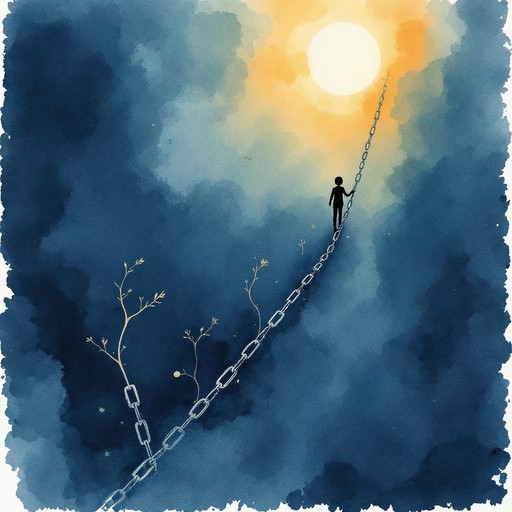
For example, the phrase “breaking free” itself is evocative—it implies a sudden release, a shattering of chains, or a leap into the unknown. When paired with the upside-down devil, it suggests that liberation isn’t just about escaping but about redefining one’s relationship with fear. The language becomes a rallying cry, a mantra for those seeking change.

Practical Steps to Embrace the Metaphor in Your Life
Understanding the metaphor is one thing; applying it to your life is another. Here are actionable ways to embody the spirit of the upside-down devil and breaking free:
- Reframe Your Fears: Identify a fear or limitation holding you back. Write it down, then invert it—literally or metaphorically. Ask yourself, “What if this fear is actually a source of strength?”
- Create Art or Symbols: Use visual art, journaling, or even a simple doodle to represent your personal “devil upside down.” This could be a drawing, a collage, or a digital design that embodies your transformation.
- Challenge Conventions: Break a small rule or routine that no longer serves you. Whether it’s changing your morning routine, speaking up in a meeting, or trying something new, take one step that feels like an inversion of your usual path.
- Surround Yourself with Inspiration: Seek out art, music, or literature that features inversion or rebellion themes. Let these influences remind you that breaking free is a creative act, not just an escape.
Conclusion
The metaphor of the devil upside down and the act of breaking free are more than just striking visuals—they’re a call to action. By inverting what we fear, we challenge the status quo, both externally and within ourselves. This metaphor invites us to see liberation not as a distant goal but as an ongoing practice of defiance, creativity, and self-reinvention.
Whether through art, language, or personal reflection, the upside-down devil reminds us that transformation often lies in the unexpected. So the next time you feel trapped, ask yourself: What if the key to breaking free is already in your hands—you just need to turn it upside down?
FAQ
What does the 'Devil Upside Down' symbolize?
It symbolizes the inversion of traditional fears and challenges, promoting the idea of finding strength in what is often seen as negative.
How can I apply the metaphor of the 'Devil Upside Down' in my life?
You can apply it by reframing your fears, creating art, challenging conventions, and surrounding yourself with inspiring themes.

Leave a Reply