Short Answer
Have you ever drawn a reversed tarot card and felt a pang of doubt? Does the upside-down image truly alter the message, or is it just a trick of the light? In this guide, we’ll peel back the layers of mystery surrounding reversed tarot cards. You’ll discover their hidden symbolism, how they differ from upright cards, and whether they hold the power to shift your reading’s meaning. By the end, you’ll see reversed cards not as obstacles, but as mirrors reflecting deeper truths—tools that can transform confusion into clarity and doubt into insight.
The Upside-Down Enigma: What Do Reversed Tarot Cards Really Represent?
At first glance, a reversed tarot card seems like a simple inversion—a card flipped on its head. But in the world of tarot, appearances can be deceiving. Reversed cards often act as a magnifying glass, zooming in on the shadows of their upright counterparts. Where the upright card might whisper of potential and growth, its reversed form shouts of blockages, delays, or internal resistance. For instance, the upright Three of Cups celebrates joy and celebration, while reversed, it may hint at gossip, overindulgence, or fractured friendships. This duality isn’t a flaw—it’s a feature. Reversed cards force us to confront what we’ve overlooked, urging us to dig deeper into the narrative.
Think of tarot as a language, and reversed cards as its dialects. Just as a word can shift meaning depending on tone or context, a card’s message can twist when inverted. The key isn’t to fear these shifts but to embrace them as part of the conversation. They remind us that tarot isn’t a rigid script; it’s a living dialogue between the reader, the cards, and the universe.
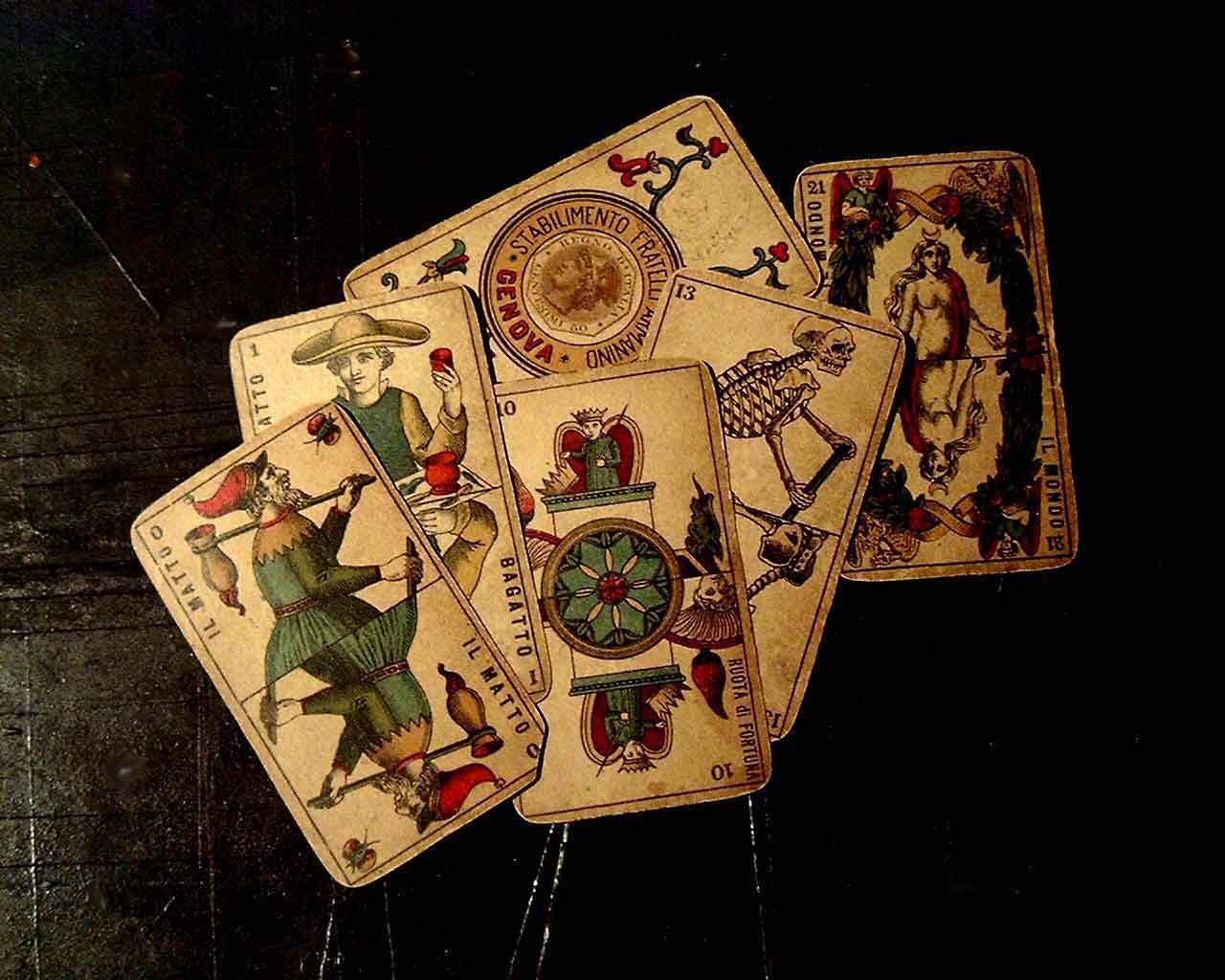
Breaking the Myth: Do Reversed Cards Change the Core Message?
The debate over reversed cards’ significance is as old as tarot itself. Some readers swear by them, arguing that ignoring reversals is like reading a book with missing pages. Others treat them as optional, believing the upright meaning suffices. The truth lies in the middle: reversed cards don’t necessarily change the core message, but they refine it. They act as a spotlight, illuminating aspects of the upright card that might otherwise remain in the dark.
Consider the Five of Pentacles. Upright, it often speaks of financial struggle or feeling left out in the cold. Reversed, it could suggest recovery from hardship, a shift in perspective, or even a warning against complacency. The core theme—hardship—remains, but the reversed card adds layers: hope, resilience, or a nudge to take action. This isn’t about contradiction; it’s about depth. Reversed cards don’t rewrite the story—they add subplots.
For those new to tarot, reversals can feel overwhelming. A practical approach is to treat them as “yes/no/maybe” signals. A reversed card might indicate a “no” or a “not yet,” while an upright card leans toward a “yes.” This isn’t a rule, but a starting point. Over time, your intuition will guide you on when to prioritize reversals and when to let them fade into the background.
The Shadow Side: When Reversed Cards Reveal Hidden Truths
Reversed cards are the tarot’s way of holding up a mirror to our blind spots. They don’t just reflect external circumstances; they reveal our inner landscapes. A reversed The High Priestess, for example, might point to ignored intuition, suppressed wisdom, or a disconnect from one’s inner voice. This isn’t a failure—it’s an invitation. The reversed card asks: What are you not seeing? What are you avoiding?
This shadow work is where reversed cards shine brightest. They don’t just predict challenges; they expose the roots of those challenges. A reversed Ten of Swords isn’t just about failure—it’s about the refusal to let go of what’s already dead. It’s a call to release, to stop flogging a dead horse. In this light, reversed cards become allies, not adversaries. They push us to confront our fears, biases, and unhealed wounds, turning what feels like a stumbling block into a stepping stone.
Of course, this depth comes with responsibility. Reversed cards can be unsettling, especially when they highlight our shortcomings or unresolved issues. The key is to approach them with curiosity, not judgment. Ask: What is this card trying to teach me? rather than Why is this happening to me? This shift in perspective transforms reversals from ominous warnings into guiding lights.
Practical Tips: How to Read Reversed Tarot Cards with Confidence
Reading reversed cards isn’t about memorizing a new set of meanings—it’s about developing a flexible, intuitive approach. Here are some strategies to help you navigate reversals with ease:
- Context is King: Always consider the card’s position in the spread and its relationship to surrounding cards. A reversed card in a past position might indicate a lesson learned, while the same card in a future position could signal a challenge ahead.
- Trust Your Gut: If a reversed card feels “off” to you, it’s okay to trust your intuition over traditional interpretations. Tarot is a personal language, and your connection to it is unique.
- Balance Upright and Reversed: Not every card in a spread needs to be reversed. Sometimes, an upright card’s energy is strong enough on its own. Use reversals sparingly to highlight key themes.
- Journal Your Insights: Keep a tarot journal to track how reversed cards show up in your readings. Over time, you’ll notice patterns that resonate with your life and spiritual journey.
- Experiment with Alternatives: If reversals feel too complex, try using clarifiers like “blocked energy” or “internal struggle” instead of rigid reversed meanings. This keeps the focus on the card’s essence without getting bogged down in specifics.
Remember, there’s no “right” way to read reversed cards. The goal isn’t perfection—it’s connection. Whether you choose to use reversals or not, the most important thing is that your readings resonate with you.
Reversed Cards as Catalysts: Transforming Doubt into Power
At their core, reversed tarot cards are about transformation. They don’t exist to complicate readings; they exist to deepen them. When a card flips upside down, it’s not a sign of failure—it’s a sign of potential. It’s the universe nudging you to look closer, to question, to evolve. The reversed Chariot, for example, might suggest a lack of direction or inner conflict, but it’s also a call to realign your path. It’s not about giving up; it’s about recalibrating.
Think of reversed cards as the tarot’s way of saying, “You’re not seeing the whole picture.” They challenge us to step out of our comfort zones, to confront our fears, and to embrace the messy, beautiful process of growth. In this light, they’re not obstacles—they’re opportunities. They remind us that even in the darkest readings, there’s always a flicker of light waiting to be found.
So the next time you draw a reversed card, don’t turn away. Lean in. Ask what it’s trying to show you. Is it a warning? A lesson? A hidden blessing? The answer lies not in the card itself, but in how you choose to engage with its message. Reversed cards don’t diminish the power of tarot—they amplify it, turning every reading into a journey of discovery.
Conclusion
Reversed tarot cards are more than just upside-down images—they’re gateways to deeper understanding. They challenge us to see beyond the surface, to embrace the complexities of our lives, and to find meaning in the shadows as well as the light. Whether you view them as essential tools or optional nuances, one thing is clear: they add richness to the tarot experience.
So the next time a reversed card appears in your spread, take a deep breath and welcome it. It’s not a sign of bad luck or misfortune—it’s an invitation to explore, to question, and to grow. Tarot isn’t about predicting the future; it’s about navigating it with wisdom, curiosity, and an open heart. And reversed cards? They’re the universe’s way of handing you a flashlight in the dark.
FAQ
What do reversed tarot cards mean?
Reversed tarot cards often highlight blockages, delays, or internal resistance, offering deeper insights into their upright meanings.
Do I have to read reversed tarot cards?
Reading reversed cards is optional; some readers find them essential for a nuanced interpretation, while others prefer to focus solely on upright meanings.
How can I confidently read reversed tarot cards?
Consider the context of the card in the spread, trust your intuition, and experiment with alternative interpretations.
Leave a Reply