Short Answer
Have you ever woken up from a dream where tarot cards swirled around you, whispering secrets or flashing cryptic symbols? What if those cards weren’t just random images, but a direct line to your subconscious mind? In this guide, we’ll explore what it means when tarot cards appear in your dreams, how they might be trying to guide—or challenge—you, and what questions you should ask yourself the next time they show up. By the end, you’ll know how to interpret these nocturnal messages and even pose a playful question to your dreaming self. Let’s dive into the mystical world where your subconscious reads the cards before you do.
Why Tarot Cards Appear in Dreams: A Subconscious Message
Dreams are the language of the subconscious, and tarot cards often serve as its favorite translator. When tarot cards appear in your dreams, they’re not just random images—they’re symbolic invitations to explore parts of yourself you might be ignoring. The subconscious uses familiar imagery to communicate, and tarot, with its rich archetypes and universal symbols, is a perfect tool for this. Whether it’s a card you’ve recently drawn in waking life or one that’s been lingering in your mind, its appearance in a dream is rarely coincidental.
Consider this: tarot cards in dreams often reflect unresolved questions, hidden desires, or aspects of your personality you’re not fully acknowledging. For example, dreaming of The Fool might signal a new beginning or reckless abandon, while The Tower could hint at an impending change or breakdown. The key is to pay attention to the emotions tied to the card—were you afraid, curious, or empowered? Your reaction is as important as the card itself.
Another layer to this phenomenon is the idea of lucid dreaming. If you’re familiar with tarot, you might find yourself consciously interacting with the cards in your dream, asking them questions or seeking clarity. This is your subconscious handing you the reins, offering a rare opportunity to engage directly with your inner wisdom.
The Hidden Challenge: What Your Subconscious Is Really Asking
While tarot dreams can feel magical or enlightening, they often come with a challenge disguised as a question. Your subconscious isn’t just showing you cards for fun—it’s pushing you to confront something. For instance, if you dream of The Hanged Man, your subconscious might be asking you to pause and reflect on a situation where you feel stuck. Alternatively, drawing The Five of Swords in a dream could be a sign to examine conflicts or competitive behaviors in your waking life.
One of the most common challenges these dreams present is the invitation to trust your intuition. Tarot cards in dreams often appear when you’re overanalyzing a decision or ignoring your gut feelings. The cards act as a mirror, reflecting back what you already know but haven’t yet acknowledged. For example, if you dream of The High Priestess, your subconscious might be urging you to listen to your inner voice rather than seeking external validation.
Another potential challenge is the fear of the unknown. Cards like The Moon or The Devil in dreams can symbolize anxieties about the future or hidden temptations. Your subconscious might be testing your readiness to face these fears. Ask yourself: What part of my life feels uncertain right now? What am I afraid to confront?
How to Pose a Playful Question to Your Dreaming Self
Interacting with tarot cards in dreams isn’t just about passive observation—it’s an opportunity to engage in a two-way conversation with your subconscious. To do this effectively, try posing a playful yet intentional question before you sleep. For example, you might ask, “What message do you have for me about my career path?” or “Show me a card that represents my biggest strength right now.”
To increase the chances of receiving a clear answer, keep a dream journal by your bed. As soon as you wake up, jot down any details about the tarot cards you saw, including their colors, symbols, and your emotional response. Over time, you’ll start to notice patterns—perhaps certain cards appear when you’re stressed, or a specific card always signals a breakthrough.
Another technique is to actively draw a card before bed and place it under your pillow. This acts as a symbolic invitation for your subconscious to explore that card’s themes in your dreams. For instance, if you draw The Lovers, you might dream of a relationship dynamic that needs your attention. The key is to approach this practice with curiosity rather than expectation—your subconscious will reveal what it’s ready to share.
Interpreting the Cards: A Step-by-Step Guide
When a tarot card appears in your dream, start by noting its traditional meaning in tarot decks (e.g., The Magician for manifestation, The Empress for nurturing). Then, consider how its symbolism might apply to your current life. For example, if you dream of The Chariot, it could symbolize determination and control, or it might reflect a struggle to balance opposing forces in your life.
Next, examine the emotions tied to the card. Were you drawn to its imagery, or did it evoke fear? Your reaction can reveal whether the card represents an area of growth or resistance. For instance, dreaming of The Death card might initially alarm you, but it often signifies transformation rather than literal endings.
Finally, look for personal associations. A card like The Star might remind you of a loved one or a past event. Your subconscious often uses these connections to deliver a tailored message. Ask yourself: What does this card mean to me personally? How does it relate to my current challenges or desires?
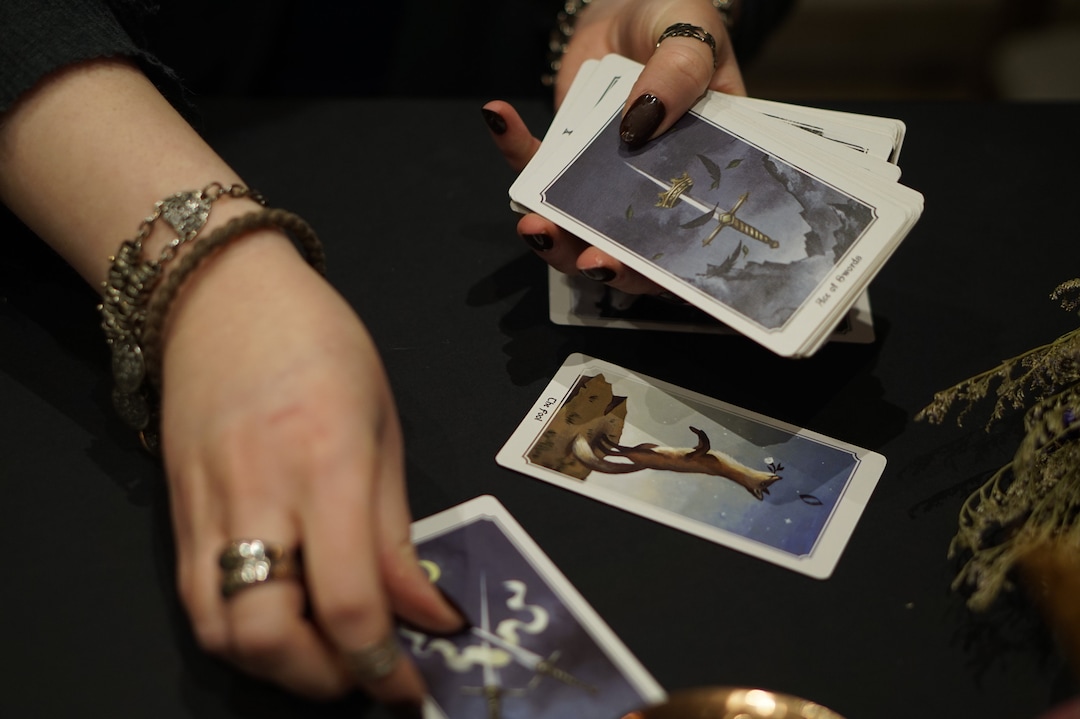
Common Tarot Cards in Dreams and Their Meanings
While every dream is unique, certain tarot cards appear more frequently and carry universal themes:
- The Fool: A sign of new beginnings, spontaneity, or a leap of faith. Your subconscious might be encouraging you to embrace the unknown.
- The Magician: Represents manifestation, skill, and resourcefulness. This card could indicate a need to harness your talents or take action on a goal.
- The High Priestess: A call to trust your intuition and explore the hidden aspects of a situation. Your subconscious might be urging you to listen to your inner wisdom.
- The Tower: Often signals sudden change or upheaval. This card in a dream might reflect fears of instability or a need to release old structures in your life.
- The Moon: A symbol of illusion, intuition, and the subconscious. This card could highlight anxieties, dreams, or a need to explore your shadow self.
- The Star: Represents hope, inspiration, and healing. Dreaming of this card might suggest a need to reconnect with your dreams or find faith in a difficult situation.
Turning Dream Insights into Waking Action
Receiving a message from your subconscious in the form of tarot cards is only the first step—the real magic happens when you apply those insights to your waking life. Start by identifying one actionable takeaway from your dream. For example, if you dreamed of The Hermit, you might commit to spending more time in solitude to reflect. If The Three of Cups appeared, it could be a nudge to reconnect with friends or celebrate a recent achievement.
Another way to honor your dream’s message is to create a ritual around it. Light a candle, draw the card again in waking life, or journal about its significance. This reinforces the connection between your subconscious and conscious mind, helping you integrate the wisdom more fully.
Remember, tarot dreams are not fortune-telling tools—they’re invitations to self-discovery. The cards are mirrors, reflecting back what you already know but haven’t yet acknowledged. By engaging with them playfully and intentionally, you turn a mystical experience into a practical tool for growth.
Conclusion
Dreaming of tarot cards is like receiving a secret letter from your subconscious, written in a language of symbols and archetypes. These dreams are not just random images; they’re meaningful messages designed to guide, challenge, and illuminate aspects of your life you might be overlooking. Whether a card appears to offer comfort, warn you of a challenge, or simply spark curiosity, its presence is an invitation to explore deeper.
Next time tarot cards swirl into your dreams, don’t just marvel at their beauty—ask yourself what they’re trying to tell you. Pose a question, reflect on their symbolism, and trust that your subconscious is reading you just as much as you’re reading the cards. With practice, these nocturnal encounters can become a powerful tool for self-awareness, intuition, and personal growth. So, the next time a card appears in your dream, lean in, listen closely, and let your subconscious guide the way.
FAQ
What does it mean to dream about tarot cards?
Dreaming about tarot cards suggests your subconscious is communicating with you through symbolic archetypes, highlighting personal insights, challenges, or guidance related to your waking life.
How can I interpret tarot cards that appear in my dreams?
Interpretation involves noting the traditional tarot meanings, your emotional response to the card in the dream, and any personal associations or current life situations connected to the card.
Can I influence my dreams about tarot cards?
Yes. You can pose intentional questions to your subconscious before sleep or place a tarot card under your pillow to invite focused dream messages about its themes.
Are tarot dreams a form of fortune telling?
No. Tarot dreams are symbolic invitations for self-reflection and subconscious insight rather than predictions of the future.
Leave a Reply