Short Answer
Welcome to your comprehensive guide on Druid Craft Tarot Placement Meanings. Whether you’re a seasoned tarot reader or just beginning your journey, understanding how to interpret tarot spreads is essential for unlocking deeper insights. This guide will walk you through the fundamentals of tarot placements, explore the unique symbolism of the Druid Craft Tarot deck, and provide practical tips to enhance your readings. By the end, you’ll have the confidence to read spreads like a pro, interpreting each card’s position with clarity and precision.
Understanding Tarot Spreads and Placements
Tarot spreads are structured layouts of cards that provide context for your reading. Each position in a spread represents a specific aspect of your question or situation, allowing for a more nuanced interpretation. Common spreads include the Celtic Cross, three-card spreads, and relationship spreads, each serving different purposes. The placement of a card can alter its meaning significantly; for example, a card in the “past” position may reflect past influences, while the same card in the “future” position could indicate upcoming events. Mastering these placements is key to delivering accurate and insightful readings.
The Druid Craft Tarot Deck: A Brief Overview
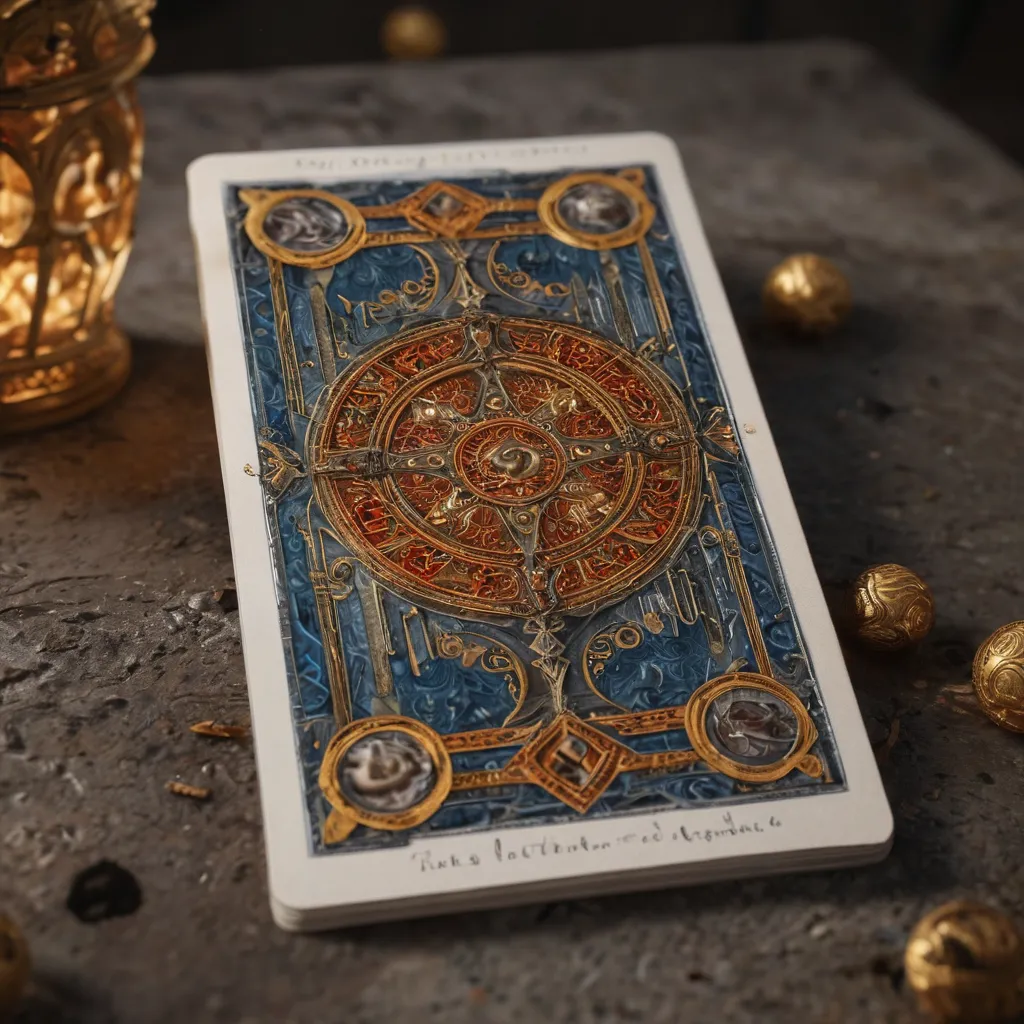
The Druid Craft Tarot is a visually stunning deck that blends Celtic mythology with traditional tarot symbolism. Created by Philip and Stephanie Carr-Gomm, this deck features rich imagery inspired by nature, spirituality, and ancient wisdom. The Major Arcana cards, such as The Fool, The High Priestess, and The World, carry deep esoteric meanings, while the Minor Arcana cards incorporate natural elements like trees, animals, and landscapes. Understanding the deck’s unique symbolism will enhance your ability to interpret placements accurately, as each card’s imagery often hints at its broader significance in a reading.
Key Tarot Placements and Their Meanings
Different spreads use various positions to explore different aspects of a question. Below are some of the most common placements and their interpretations:
Past Position
Cards in the past position often represent events, influences, or energies that have shaped the current situation. For example, if The Tower appears here, it may indicate a past upheaval or sudden change that still impacts the querent. The key is to look for patterns or themes that connect the past to the present.
Present Position
The present position reflects the current state of affairs or the querent’s immediate circumstances. A card like The Empress here might suggest a period of growth, abundance, or nurturing energy. Pay attention to the card’s symbolism and how it relates to the querent’s life at this moment.
Future Position
Future placements offer insights into potential outcomes or upcoming events. However, it’s important to remember that the future is not set in stone; these cards represent possibilities based on current trajectories. For instance, The Star in the future position could indicate hope, inspiration, or a spiritual awakening on the horizon.
Advice Position
This position provides guidance or suggestions for navigating the situation. Cards like The Magician or The Chariot here might encourage the querent to take action, harness their skills, or stay focused on their goals. The advice card often serves as a direct message from the deck, offering clarity on what steps to take next.
Challenge Position
Cards in the challenge position highlight obstacles, fears, or areas of tension. For example, The Devil here might suggest feelings of being trapped or addicted to unhealthy patterns. Recognizing these challenges is the first step toward overcoming them, and the reading can then explore ways to address them.
Advanced Techniques for Reading Spreads
Once you’re comfortable with basic placements, you can explore more advanced techniques to deepen your readings:
Elemental Dignities
Elemental dignities involve analyzing the elements (fire, water, air, earth) associated with the cards in a spread. For example, a fire card (like The Chariot) next to a water card (like The Hanged Man) might indicate tension or a need for balance. This technique adds another layer of interpretation to your readings.
Card Combinations
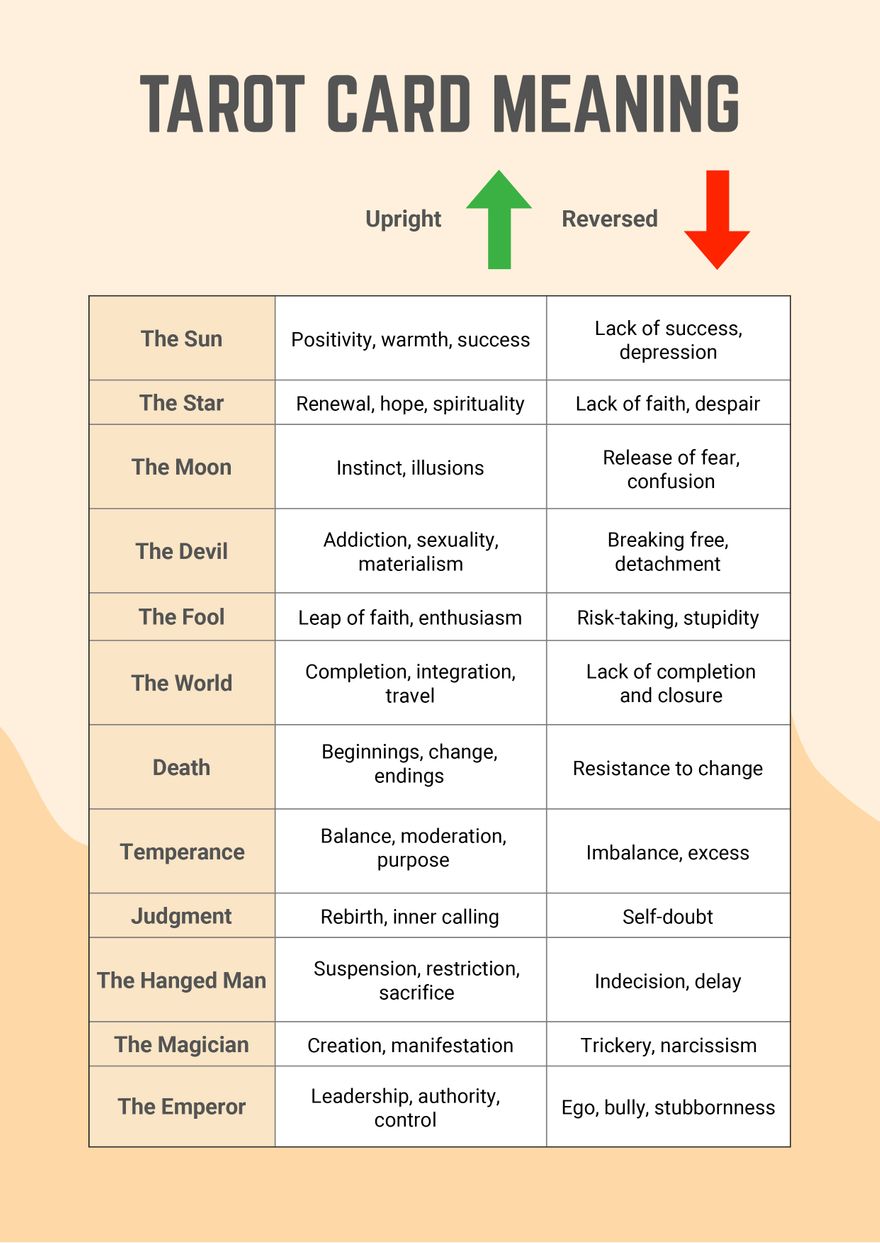
Look for patterns or combinations of cards that appear together. For instance, The Lovers and The Two of Cups might suggest a deep romantic connection, while The Tower and The Ten of Swords could indicate a sudden, painful ending. These combinations often reveal hidden layers of meaning in a spread.
Reversed Cards
Reversed cards (those upside down) can indicate blocked energy, internal struggles, or a need for introspection. For example, The Three of Swords reversed might suggest healing from heartbreak, while reversed The Emperor could point to a lack of structure or authority. Always consider the context of the spread when interpreting reversals.
Practical Tips for Accurate Readings
To refine your tarot reading skills, keep these practical tips in mind:
- Shuffle with Intention: Before drawing cards, focus on your question or intention. This helps align the deck with your energy and the reading’s purpose.
- Trust Your Intuition: While traditional meanings are valuable, your gut feeling about a card’s message is equally important. Pay attention to symbols, colors, and emotions that resonate with you.
- Journal Your Readings: Keeping a tarot journal allows you to track patterns, revisit past readings, and refine your interpretations over time.
- Practice Regularly: The more you read, the more comfortable you’ll become with the cards and their placements. Try different spreads to expand your skills.
Conclusion
Mastering Druid Craft Tarot placements opens the door to deeper, more meaningful readings. By understanding the significance of each position, familiarizing yourself with the deck’s symbolism, and practicing advanced techniques, you’ll gain the confidence to interpret spreads like a professional. Remember, tarot is a tool for self-discovery and guidance, and the more you engage with it, the more profound your insights will become. Whether you’re reading for yourself or others, approach each spread with an open mind and a willingness to learn. With time and practice, you’ll unlock the full potential of the Druid Craft Tarot and its placements.
FAQ
What is the significance of card placements in tarot reading?
Card placements in tarot reading provide context and specific meanings related to different aspects of a question, enhancing the overall interpretation.
How can I improve my tarot reading skills?
Improving your tarot reading skills involves regular practice, trusting your intuition, and journaling your readings to track patterns and insights.
Leave a Reply