Short Answer
Welcome to your comprehensive guide to understanding tarot card meanings. Whether you’re a beginner seeking clarity or a seasoned reader looking to deepen your insight, this guide breaks down each tarot card in simple, clear terms. You’ll explore the symbolism, interpretations, and deeper reasons behind the enduring fascination with tarot. By the end, you’ll have a solid foundation to read tarot cards confidently and meaningfully.
Understanding the Basics of Tarot Cards
Tarot cards are a deck of 78 cards used for divination and self-reflection. They are divided into two main groups: the Major Arcana and the Minor Arcana. The Major Arcana consists of 22 cards representing significant life events or spiritual lessons, such as The Fool, The Magician, and The World. The Minor Arcana contains 56 cards divided into four suits—Cups, Pentacles, Swords, and Wands—each reflecting everyday experiences and challenges.
The imagery on tarot cards is rich with symbolism, often drawing from mythology, astrology, and universal archetypes. This symbolism allows the cards to speak to the subconscious, offering insights that might not be immediately apparent in conscious thought. The fascination with tarot stems from its ability to blend art, psychology, and spirituality into a tangible tool for guidance.
The Major Arcana: Life’s Journey Unfolded
The Major Arcana cards tell a story of personal growth and spiritual evolution. Each card represents a stage in the journey of life, from innocence and new beginnings (The Fool) to completion and fulfillment (The World). For example, The Magician symbolizes manifestation and resourcefulness, while The High Priestess represents intuition and hidden knowledge. These cards often appear in readings to highlight major themes or turning points in a person’s life.
Understanding the Major Arcana provides a framework for interpreting the deeper messages in a tarot reading. When multiple Major Arcana cards appear in a spread, it suggests that the situation at hand has significant spiritual or life-altering implications. This is why the Major Arcana is often considered the heart of the tarot deck.
Exploring the Minor Arcana: Everyday Experiences and Challenges
The Minor Arcana cards focus on the day-to-day aspects of life, offering insights into relationships, career, emotions, and challenges. Each suit corresponds to an element and a specific area of life: Cups relate to emotions and relationships, Pentacles to material wealth and practical matters, Swords to intellect and conflict, and Wands to creativity and passion. For instance, the Three of Cups celebrates friendship and joy, while the Five of Pentacles indicates financial hardship or feeling left out in the cold.
The Minor Arcana also includes court cards—Page, Knight, Queen, and King—each representing different personality traits or people in your life. These cards add nuance to a reading by highlighting how individuals or energies might influence a situation. The Minor Arcana’s detailed symbolism allows for highly personalized interpretations, making it a versatile tool for understanding life’s complexities.
Common Observations and Deeper Reasons for Fascination
One common observation is that people often feel drawn to specific tarot cards that resonate with their current life circumstances or personality. For example, someone experiencing a creative block might frequently pull the Ace of Wands, which symbolizes inspiration and new beginnings. This connection suggests that tarot acts as a mirror, reflecting our inner thoughts, fears, and desires back to us in a way that feels deeply personal.
The fascination with tarot also lies in its ability to provide a sense of control in uncertain times. By offering guidance and potential outcomes, tarot cards can help individuals navigate challenges with greater confidence. Additionally, the ritualistic aspect of shuffling, drawing, and interpreting cards adds a meditative quality to the process, making it a therapeutic tool for self-reflection and mindfulness.
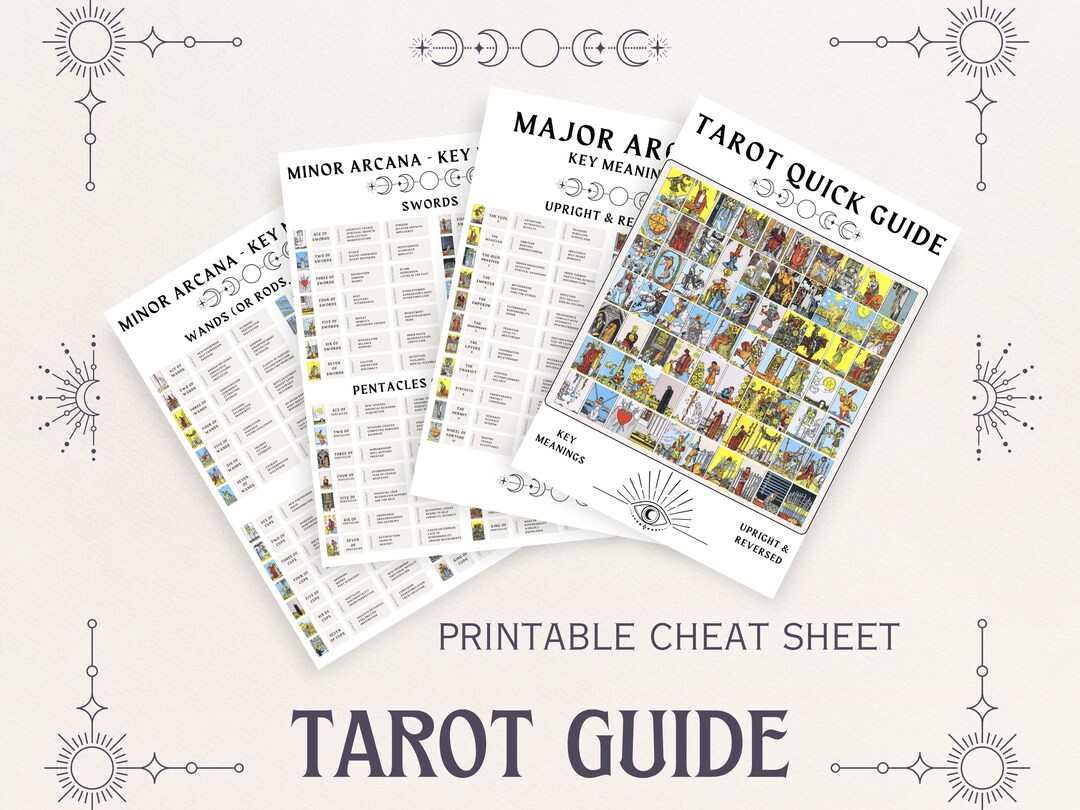
Another reason for tarot’s enduring appeal is its adaptability. Whether used for quick daily pulls, in-depth readings, or as a tool for creative writing and art, tarot can be tailored to suit individual needs. This versatility ensures that tarot remains relevant across cultures and generations, continuing to captivate those who seek meaning and connection in their lives.
How to Interpret Tarot Cards Effectively
Interpreting tarot cards involves more than memorizing their meanings; it requires intuition, context, and an understanding of the card’s position in a spread. Start by observing the imagery and symbols on the card. For example, The Tower card often depicts a tall structure crumbling, symbolizing sudden change or upheaval. Next, consider the card’s traditional meaning—The Tower typically signifies chaos or revelation—but also reflect on how it applies to your current situation.
Card combinations and reversals (when a card appears upside down) add layers to a reading. A reversed card might indicate blocked energy or an internal struggle, while a combination of cards, such as The Lovers followed by The Devil, could suggest a complex relationship dynamic. Practice and experience will sharpen your ability to weave these elements into a cohesive narrative, making your readings more insightful and accurate.
Conclusion
Tarot cards are more than just a divination tool; they are a gateway to self-discovery, empowerment, and deeper understanding. By familiarizing yourself with the Major and Minor Arcana, you unlock the potential to interpret life’s challenges and opportunities with clarity and confidence. The fascination with tarot lies in its ability to blend ancient wisdom with modern psychology, offering a unique lens through which to view our inner and outer worlds.
Whether you’re drawn to tarot for guidance, creativity, or personal growth, remember that the cards are a reflection of your own intuition and wisdom. Use this guide as a starting point, and allow your interpretations to evolve with your experiences. With practice and an open heart, tarot can become a trusted companion on your journey of discovery.
FAQ
What is the difference between Major and Minor Arcana?
Major Arcana cards represent significant life lessons and spiritual journeys, while Minor Arcana cards reflect everyday situations and challenges.
How do reversed cards affect tarot readings?
Reversed cards often indicate blockages, internal struggles, or opposite meanings of the upright card, adding complexity to interpretations.
Can tarot be used for personal growth?
Yes, tarot cards serve as tools for self-discovery, mindfulness, and gaining clarity on personal development.
Leave a Reply